
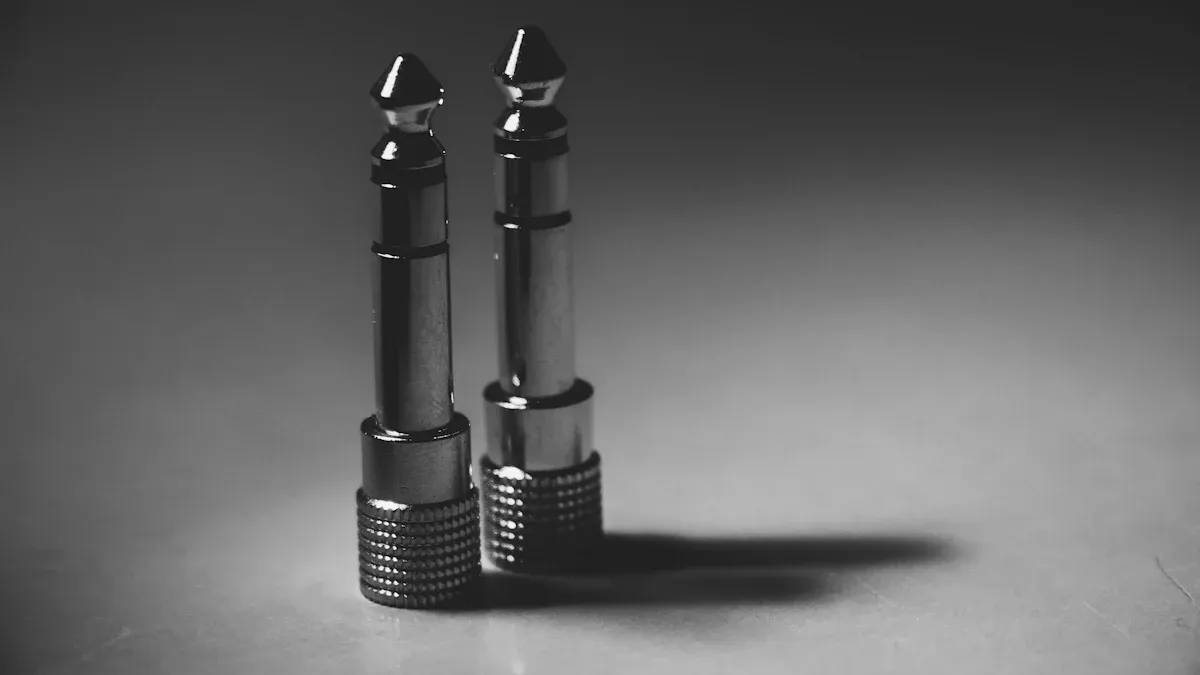
Subpar 6.35mm MONO plugs often cause signal loss and poor contact. These common issues significantly degrade audio quality. Precision manufacturing directly eliminates such audio problems. It ensures reliable and consistent signal transfer. Optimal audio fidelity is achievable with the right 6.35mm MONO Plug. A high-quality 6.3mm connector makes a substantial difference in any audio setup.
Key Takeaways
- Good 6.35mm MONO plugs stop signal loss and bad contact. This makes audio sound better.
- Precision manufacturing uses good materials and exact sizes. This makes plugs work well and last long.
- Gold plating on plugs stops rust. This keeps the sound clear over time.
- Strain relief protects cables where they join the plug. This stops damage and makes cables last longer.
- Always check plugs for damage and clean them. This helps keep your audio equipment working right.
Understanding Signal Attenuation and Poor Contact in 6.35mm MONO Plugs
What is Signal Attenuation and Its Impact?
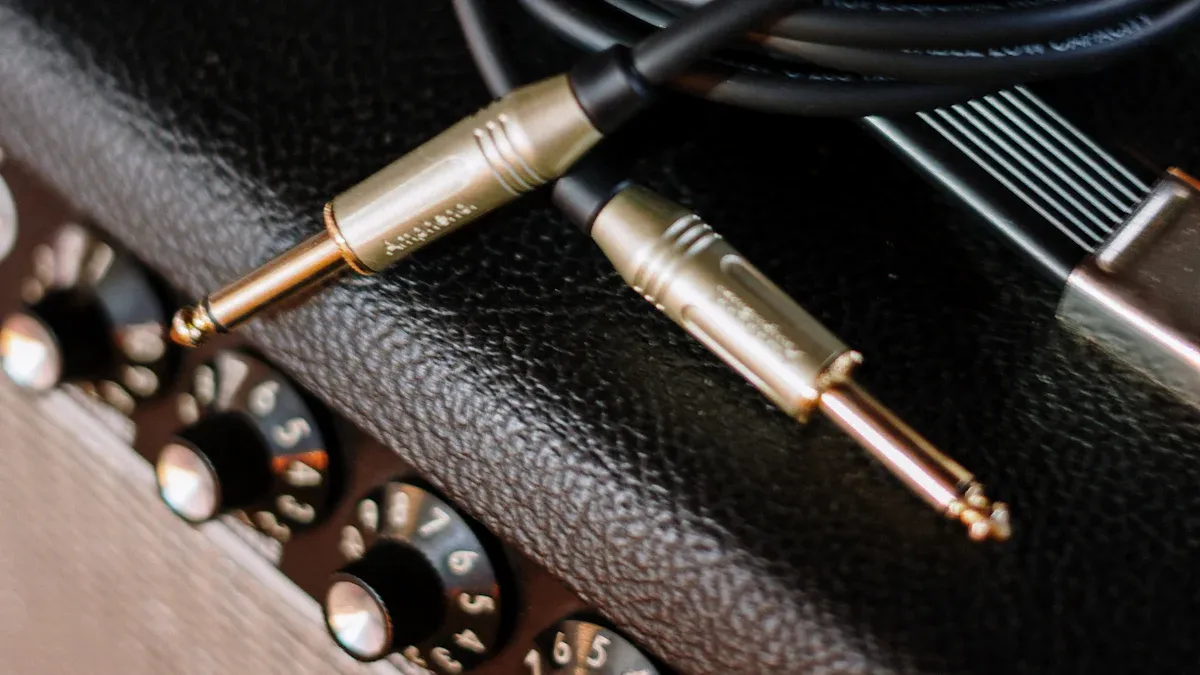
Signal attenuation refers to the reduction in strength of an electrical signal as it travels through a medium or component. This weakening directly impacts audio quality. Attenuation causes a loss of clarity and reduces the overall volume. It can also introduce unwanted noise into the audio path. Listeners perceive a less vibrant and detailed sound. The original signal loses its fidelity, becoming a faded version of itself. This degradation compromises the integrity of any audio transmission.
The Effects of Poor Contact on Audio Quality
Poor contact within an audio connection creates significant problems. It means the electrical connection is incomplete or intermittent. This issue often manifests as crackling, buzzing, or static noises. Sometimes, the audio signal drops out entirely. Poor contact prevents a consistent flow of electricity, disrupting the sound wave. This unreliability makes for a frustrating listening or performance experience. It directly undermines the quality of any audio setup.
Common Causes of 6.35mm MONO Plug Failure
Several factors contribute to the failure of audio plugs. Mechanical stress is a primary culprit. Bending, pulling, or twisting cables puts strain on the connection points. Over time, this stress loosens internal components or breaks solder joints. Corrosion and oxidation also play a major role. Exposure to moisture, air, or contaminants causes metal surfaces to degrade. This degradation increases electrical resistance and hinders signal flow. Repeated insertions and removals lead to wear and tear on the plug’s contacts. This constant friction erodes the plating and alters the plug’s dimensions. Manufacturing defects, such as poor material quality or imprecise tolerances, can also lead to premature failure. Environmental factors like extreme temperatures or humidity accelerate these issues. A poorly constructed 6.35mm MONO Plug is particularly susceptible to these common problems.
The Role of Precision Manufacturing in 6.35mm MONO Plugs
Precision manufacturing forms the bedrock of high-performance audio connectors. It directly addresses the issues of signal attenuation and poor contact. Manufacturers meticulously control every aspect of production. This ensures each component meets stringent quality standards. Such dedication guarantees superior audio fidelity and long-term reliability.
Material Science for Optimal 6.35mm MONO Plug Performance
Material selection is the first critical step in creating a high-quality connector. Manufacturers choose materials based on their electrical and mechanical properties. These choices directly impact a connector’s performance and durability.
- Electrical Conductivity: Oxygen-free copper (OFC) is a preferred material for conductors. It significantly reduces resistance and improves signal transfer. Gold-plated contacts resist oxidation, maintaining clean electrical contact over time. High-conductivity copper alloys are also used for contacts. These alloys ensure superior conductivity and solderability. Gold or nickel plating on contacts further enhances corrosion resistance and longevity. This minimizes signal loss.
- Mechanical Strength: Brass bodies provide excellent durability. They offer a good balance of conductivity and strength, especially when paired with nickel or gold plating. Rhodium or nickel plating offers greater durability in high-use settings compared to gold, which is a softer metal. Robust, well-sized solder lugs are crucial. They ensure reliable solder joints and withstand mechanical stress from repeated use.
Tolerance and Fit for Signal Integrity in 6.35mm MONO Plugs
Precision in manufacturing extends to the physical dimensions of the plug. Tight tolerances ensure a perfect fit between the plug and its corresponding jack. This exact fit prevents intermittent connections and signal degradation. A poorly fitting plug can wobble, causing micro-interruptions in the signal path. It also introduces unwanted noise. Manufacturers use advanced machinery to achieve exact specifications. This guarantees a secure and stable connection every time. This attention to detail is vital for maintaining signal integrity. It ensures the audio signal remains pure from source to destination.
Contact Design for Reliable 6.35mm MONO Plug Connections
The design of the contact surfaces is paramount for reliable connections. These surfaces are where the electrical signal transfers. Poor connections can arise from tarnished connectors or those not manufactured to tight tolerances. The surface material of the connectors dictates the appropriate cleaning method. For instance, solid brass contacts can be cleaned with a burnishing agent. Plated contacts, however, require a contact cleaner. Effective contact design minimizes resistance and maximizes signal flow. It ensures a consistent, low-resistance path for the audio signal. This prevents signal loss and maintains audio clarity. A well-designed contact system ensures long-term performance for any 6.35mm MONO Plug.
Durability and Longevity of Precision 6.35mm MONO Plugs
Precision manufacturing significantly enhances the durability and longevity of audio connectors. Manufacturers design these plugs to withstand rigorous use and harsh environments. This careful design ensures a long operational lifespan. It protects the integrity of audio signals over many years.
Robust construction forms the foundation of a durable plug. High-quality metal alloys create the outer shell. These materials resist physical impact and bending. They protect the internal components from external forces. A strong housing prevents damage from accidental drops or pulls. This robust design maintains the plug’s structural integrity.
Internal components also benefit from precision. Securely fastened parts prevent loosening over time. Manufacturers use advanced soldering techniques. These techniques create strong, reliable connections between wires and contacts. This prevents intermittent signal issues caused by internal disconnections. The internal structure remains stable even with frequent handling.
Effective strain relief is another critical feature. This mechanism protects the cable where it connects to the plug. It prevents the cable from bending sharply or pulling away. This reduces stress on the solder joints and internal wiring. Good strain relief extends the life of both the plug and the attached cable. It minimizes wear and tear at this vulnerable point.
Corrosion resistance also contributes to longevity. High-quality plating, such as gold or nickel, protects contact surfaces. These platings prevent oxidation and tarnish. Oxidation increases electrical resistance and degrades signal quality. A corrosion-resistant surface maintains optimal conductivity. It ensures consistent performance throughout the plug’s lifespan.
Manufacturers also conduct extensive testing. They subject precision plugs to cycles of insertion and removal. They test them under various temperature and humidity conditions. This rigorous testing identifies potential weaknesses. It ensures the final product meets high standards for endurance. This commitment to quality guarantees reliable performance for professional audio setups.
Tip: Always choose plugs with robust strain relief and high-quality plating. These features are key indicators of a connector’s long-term reliability.
Ultimately, investing in precision-manufactured plugs reduces replacement costs. It minimizes downtime for equipment maintenance. These durable connectors provide consistent, high-fidelity audio for years. They are a smart choice for any demanding audio application.
Key Features of a High-Quality 6.35mm MONO Plug
High-quality 6.35mm MONO plugs incorporate specific features. These features ensure optimal audio performance and durability. Careful selection of materials and design elements is paramount. These components work together to deliver a reliable and clear audio signal.
Conductor Material and Plating for 6.35mm MONO Plugs
The choice of conductor material and plating significantly impacts signal integrity. Conductors must offer low electrical resistance. Copper is a common choice for its excellent electrical conductivity. Brass also provides a good balance of conductivity and mechanical strength. Plating protects the conductor from environmental degradation. It also enhances its electrical performance.
| Plating Option | Advantages | Disadvantages |
|---|---|---|
| Gold-plated | Resists oxidation, maintains conductivity | Likely more expensive |
| Nickel or Brass | Cheaper | May corrode faster |
Gold plating effectively resists oxidation. It maintains consistent conductivity over time. This ensures a stable signal path. Nickel or brass plating offers a more economical alternative. However, these materials may corrode faster, potentially degrading signal quality over extended use.
Insulation Material in 6.35mm MONO Plug Construction
Insulation material plays a critical role in preventing electrical shorts. It ensures the audio signal travels cleanly without interference. Common materials include PVC, polyethylene, and Teflon. Each offers distinct advantages. Polyethylene offers a low dielectric constant. This property minimizes signal loss and capacitance. Teflon provides excellent heat resistance and superior durability. The chosen insulation must withstand environmental factors. It also maintains its integrity over the connector’s lifespan, preventing signal leakage.
Strain Relief Design for 6.35mm MONO Plugs
Effective strain relief is essential for cable longevity. It protects the cable from damage at the plug’s entry point.
- Strain relief, often a flexible rubber or molded boot near the cable’s base, prevents wire fatigue. It extends the cable’s lifespan.
- The absence of visible strain relief or a thin cable entry point is a significant red flag. Users should avoid such connectors. Strain relief involves mechanical support structures. These structures absorb forces acting on the electronic connector or cable assembly. This protection prevents flexing, pull-out, or twisting. It avoids intermittent electrical contact or conductor breakage. This feature is vital in demanding environments where cables experience frequent movement or stress.
Shell Construction and Shielding of 6.35mm MONO Plugs
The outer shell of an audio plug provides crucial physical protection. It shields internal components from external damage. High-quality shells use robust metals like brass or nickel-plated steel. These materials resist impact and corrosion. Beyond physical protection, the shell contributes to electromagnetic interference (EMI) rejection. Effective shielding prevents unwanted noise from entering the audio signal.
Braided shielding, ideally with over 90% coverage, minimizes hum and radio-frequency interference. Dual-shield designs, combining braid with foil, offer even greater protection. Twisted-pair shielded TRS cables provide excellent EMI rejection. This is particularly beneficial for longer cable runs, especially those exceeding 10 feet, in studio or stage environments. Longer cables increase susceptibility to EMI, leading to hum or buzz. High-quality cables with effective shielding, such as braided shields, are crucial to mitigate this. For runs over 15-20 feet, especially in environments with strong EMI sources, balanced connections are vital for maintaining signal integrity.
Connector Type Variations for 6.35mm MONO Plugs
Audio connectors come in various physical forms. Each form suits specific applications and environments. Straight connectors are the most common. People often refer to them as “I-shaped.” They serve as a standard angle for various connections.
L-shaped, or right-angle, connectors offer distinct advantages. They are excellent for situations with limited space behind equipment. Users can push AV receivers closer to a wall with these connectors. They also plug into guitars or portable amplifiers for more elegant cable routing. Right-angle connectors simplify setup and protect the plug and jack from damage. Their design allows for easier handling and connection in confined areas. The curved design minimizes strain on the cable, reducing the risk of damage. It ensures a secure fit, which helps prevent tangled cables and awkward connections. These connectors also offer enhanced aesthetic appeal and optimize signal flow by reducing friction and wear. The 6.35mm jack is significantly larger and more durable than the 3.5mm jack. It is primarily utilized in professional audio equipment, including studio headphones, musical instruments, and mixing consoles. It is designed for high durability with thousands of insertion cycles.
Advanced Contact Technologies in 6.35mm MONO Plugs
Advanced contact technologies significantly enhance the performance and reliability of audio connectors. These innovations address common issues like signal degradation and intermittent connections. They ensure superior audio fidelity for professional applications.
Precision Machined Pin Contacts for 6.35mm MONO Plugs
Precision machining creates pin contacts with exact dimensions and smooth surfaces. This manufacturing process ensures a consistent and optimal fit within the socket. Machined pins offer superior conductivity and durability compared to stamped alternatives. They resist deformation and maintain their shape over many insertion cycles. This precision minimizes contact resistance, allowing the audio signal to flow unimpeded. It also reduces wear on both the pin and the socket, extending the lifespan of the connector.
Innovative Socket Contact Designs for 6.35mm MONO Plugs
Manufacturers develop innovative socket contact designs to improve connection reliability and reduce insertion force. These designs focus on creating a secure yet effortless connection.
- Sleek and ergonomic designs ensure a secure connection, eliminating accidental disconnection.
- Advanced shielding techniques and high-quality materials minimize interference and deliver crystal-clear sound.
- Enhanced durability results from meticulous engineering and rigorous testing.
- User-friendly designs with ergonomic shapes enable effortless insertion and removal, minimizing setup time. These advancements contribute to a more stable and robust audio path.
Concentric Socket Contact for Optimal 6.35mm MONO Plug Performance
Concentric socket contact designs represent a significant advancement in connector technology. This design ensures uniform pressure around the entire circumference of the pin. It creates a larger and more consistent contact area. This uniform contact minimizes signal loss and reduces the risk of intermittent connections. It also distributes wear evenly, further enhancing the connector’s longevity. Concentric designs provide a highly stable and low-resistance connection, crucial for maintaining pristine audio quality in demanding environments.
Selecting the Right 6.35mm MONO Plug for Your Application
Choosing the correct 6.35mm MONO Plug is crucial for optimal audio performance. This decision impacts signal integrity, durability, and overall system reliability. Users must consider several factors to ensure they select the best connector for their specific needs.
Matching 6.35mm MONO Plugs to Cables and Equipment
Properly matching a 6.35mm MONO Plug to cables and equipment prevents signal loss and ensures efficient audio transmission. The impedance rating of the input/output jack is a primary consideration. The jack’s impedance should match the system’s impedance, typically ranging from 50Ω to 600Ω for professional audio setups. This matching prevents signal degradation.
A 6.35mm (1/4-inch) audio jack is a robust connector. Professionals frequently use it in equipment like electric guitars, bass guitars, amplifiers, and mixing consoles. These jacks handle high-output signals and their size makes them easier to manipulate. Mono jacks, also known as TS (Tip, Sleeve) connectors, feature a single audio channel. They are commonly used for instruments such as electric guitars and microphones. TS (Tip-Sleeve) jacks are primarily used for unbalanced mono signals. They feature a tip for the signal and a sleeve for ground. While cost-effective and common in electric guitars and instrument cables, they are susceptible to noise, especially over longer cable runs. They do not support stereo or balanced signals.
For optimal audio performance and to minimize interference, proper shielding and impedance matching are crucial. Shielding protects the audio signal from external noise. Impedance matching ensures compatibility between connected devices for efficient audio transmission. Neglecting these factors can lead to unwanted noise like buzzing or humming, compromising audio clarity and quality.
Considering Environmental Factors for 6.35mm MONO Plugs
The environment where users deploy audio equipment significantly influences plug selection. Different conditions demand specific connector characteristics. For instance, outdoor applications or humid environments require plugs with enhanced corrosion resistance. Gold-plated contacts offer superior protection against oxidation in such conditions. Extreme temperatures also affect material performance. Plugs designed for wide temperature ranges maintain their structural integrity and electrical conductivity.
High-vibration environments, common in live sound or touring setups, necessitate plugs with robust strain relief and secure locking mechanisms. These features prevent accidental disconnections and reduce wear on the cable and internal components. Dust and debris are also concerns. Connectors with sealed designs or protective caps prevent contaminants from entering the contact area. Users ensure long-term reliability and consistent performance by selecting plugs suited to their operational environment.
Balancing Budget and Performance for 6.35mm MONO Plugs
Users often face a trade-off between cost and performance when selecting audio connectors. High-end plugs with precision manufacturing and premium materials offer superior signal integrity and durability. However, they come at a higher price point. Budget-friendly options exist, but they may compromise on material quality, manufacturing tolerances, or advanced features.
Professionals should assess their specific needs and the criticality of their audio application. For critical studio recording or live performance, investing in top-tier plugs is a wise decision. The enhanced reliability and pristine audio quality justify the higher cost. For less demanding applications, such as home practice setups, a mid-range plug might suffice. It offers a good balance of performance and affordability. Users should avoid extremely cheap plugs. These often lead to frequent failures, signal degradation, and ultimately, higher replacement costs. A careful evaluation of the application’s requirements helps users make an informed decision. This decision balances initial investment with long-term performance and reliability.
Identifying Reputable Brands and Certifications for 6.35mm MONO Plugs
Selecting a reputable brand for 6.35mm MONO plugs ensures quality and reliability. Established manufacturers consistently produce connectors meeting high performance standards. They invest in research, development, and stringent quality control processes. This commitment translates into superior products for consumers. Choosing a well-known brand minimizes the risk of signal loss and premature failure. It also provides peace of mind regarding product longevity.
Certifications offer an objective measure of a product’s adherence to specific standards. These third-party validations confirm a manufacturer’s claims about quality, safety, and environmental responsibility. They guide consumers toward products that meet recognized industry benchmarks. Understanding relevant certifications helps users make informed purchasing decisions.
Several reputable brands in the audio industry offer high-quality 6.35mm MONO plugs. These brands often hold important certifications.
| Brand Name | Certifications |
|---|---|
| OEM | ISO9001, RoHS |
| KBTech | ROHS, CE, UL |
ISO9001 certification indicates a company maintains a robust quality management system. This system ensures consistent product quality. RoHS (Restriction of Hazardous Substances) compliance means the product does not contain certain dangerous materials. This protects both users and the environment. CE marking signifies conformity with European health, safety, and environmental protection standards. UL (Underwriters Laboratories) certification confirms a product meets specific safety standards, particularly for electrical components. These certifications collectively assure consumers of a product’s quality and safety.
Ningbo Jingyi Electronics Corporation, established in 1992, stands as a significant manufacturer in the professional audio industry. The company operates a factory spanning approximately 15,000 square meters in Beilun, Ningbo. This location is conveniently near the major Ningbo Port. Such established manufacturers often possess the infrastructure and expertise to produce high-quality, certified connectors. Their long history in the industry demonstrates a sustained commitment to product excellence.
Consumers should always look for these certifications and consider the manufacturer’s reputation. This approach guarantees a reliable and high-performing 6.35mm MONO plug. It protects audio equipment and preserves sound quality. Investing in certified products from reputable brands ultimately saves time and money. It prevents the need for frequent replacements and troubleshooting.
Installation and Maintenance for Optimal 6.35mm MONO Plug Performance
Proper Soldering Techniques for 6.35mm MONO Plugs
Correct soldering ensures a strong, reliable connection. Technicians prepare the surface by cleaning any oxidation. They use rosin-core solder. They also tin both the wire and the jack contact before joining them. An optimal soldering iron temperature ranges from 700-750°F (approximately 371-399°C). This temperature allows for proper solder flow without overheating components. For quality control, a solder temperature of 255 ± 5 °C applies during resistance tests. The soldering time for these tests is 5 ± 0.5 seconds. Immersion tests involve placing 2.5mm metal parts into 245 ± 5 °C solder for 3 ± 0.5 seconds. These precise methods prevent signal loss and ensure durability. They create a robust electrical and mechanical bond.
Ensuring Secure Connections with 6.35mm MONO Plugs
Users must ensure secure connections for consistent audio. Loose plugs cause intermittent signals and unwanted noise. Always check that the plug fully inserts into the jack. A firm, snug fit indicates a proper connection. Avoid excessive force when inserting or removing plugs. This prevents damage to both the plug and the equipment jack. Regularly inspect cables and connectors for any signs of wear or damage. Look for bent pins or cracked insulation. Secure connections maintain signal integrity. They also prevent accidental disconnections during critical performances or recordings.
Cleaning and Storage Best Practices for 6.35mm MONO Plugs
Proper cleaning and storage extend the life of 6.35mm MONO plugs. Dust, dirt, and oxidation degrade contact surfaces. These contaminants increase resistance and cause signal issues. Users should clean contacts with a specialized electronic contact cleaner. Apply the cleaner to a lint-free cloth, then gently wipe the plug. Avoid abrasive materials. Store plugs in a clean, dry environment. Keep them away from extreme temperatures and humidity. Use cable ties to organize cables. This prevents tangling and reduces stress on the connectors. Good practices ensure optimal performance and prolong the lifespan of audio equipment.
Troubleshooting Common Issues with 6.35mm MONO Plugs
Users often encounter various problems with 6.35mm MONO plugs. Identifying the root cause quickly saves time and prevents further frustration. A systematic approach helps diagnose and resolve these common issues.
-
No Sound or Intermittent Audio: This problem frequently indicates a loose connection or a faulty cable.
- First, users should ensure the plug fully inserts into the jack. A partial connection often causes signal drops.
- Next, inspect the cable for visible damage, such as kinks or cuts. Internal wire breaks can lead to intermittent sound.
- Wiggle the plug gently while audio plays. If the sound cuts in and out, the plug or cable likely has an internal fault.
-
Hum, Buzz, or Unwanted Noise: Grounding issues or electromagnetic interference (EMI) typically cause these noises.
- Check all ground connections. A poor ground path introduces significant noise into the audio signal.
- Ensure the cable uses proper shielding. Unshielded or poorly shielded cables pick up ambient electrical noise.
- Move cables away from power sources, transformers, or other electronic devices. These items emit EMI.
- Consider using a ground loop isolator if the hum persists. This device breaks unwanted ground loops.
-
Physical Damage: Regular inspection helps identify physical damage before it causes major issues.
- Examine the plug’s tip and sleeve for bends, corrosion, or debris. Bent pins prevent proper contact.
- Look for cracks in the plug’s housing or strain relief. These indicate structural weakness.
- Corrosion on contact surfaces increases resistance and degrades signal quality. Clean corroded plugs with a suitable contact cleaner.
Tip: Always test components individually when troubleshooting. Swap out cables or plugs one by one. This method helps isolate the faulty part efficiently. A multimeter can also test cable continuity, confirming electrical integrity.
By following these troubleshooting steps, users can effectively diagnose and resolve most common issues with 6.35mm MONO plugs. This ensures reliable audio performance and extends the lifespan of their equipment.
Precision manufacturing remains paramount for all 6.35mm MONO plugs. Quality connectors effectively eliminate signal loss and poor contact. This commitment guarantees superior audio quality and reliability within any professional setup. Users must invest wisely in their 6.35mm MONO plugs. This strategic choice ultimately protects their valuable sound.
FAQ
What is the main difference between a MONO and a STEREO 6.35mm plug?
A MONO 6.35mm plug, also known as a TS (Tip-Sleeve) connector, carries a single audio channel. A STEREO 6.35mm plug, or TRS (Tip-Ring-Sleeve) connector, carries two audio channels. It also supports balanced signals.
Why is gold plating important for 6.35mm MONO plugs?
Gold plating resists oxidation effectively. This maintains consistent electrical conductivity over time. It ensures a stable signal path. Gold plating prevents corrosion, which can degrade audio quality. This feature extends the plug’s lifespan.
How does strain relief protect audio cables?
Strain relief absorbs forces acting on the cable where it connects to the plug. It prevents sharp bends or pulls. This reduces stress on solder joints and internal wiring. Good strain relief extends the life of both the plug and the attached cable.
Can users employ a 6.35mm MONO plug for balanced audio signals?
No, users cannot employ a 6.35mm MONO (TS) plug for balanced audio signals. MONO plugs only have two conductors: tip for signal and sleeve for ground. Balanced audio requires three conductors: tip for positive, ring for negative, and sleeve for ground.
See Also
Top 5 Compact Air Fryers for Health-Conscious Kitchens
Achieve Perfect Crispy Mini Corn Dogs Using Your Air Fryer
Mastering Halibut in Your Air Fryer: A Simple 5-Step Guide
Discovering the Best 2024 Air Fryer Alternatives Beyond BrandsMart
Essential Accessories to Enhance Your Air Fryer Pan Experience


