

In today’s technology-driven world, audio quality holds immense significance. Studies reveal that 90% of consumers regard sound quality as the most critical aspect when purchasing electronic devices. Connectors play a vital role in audio systems, influencing overall performance. For instance, resistance and inductance in speaker leads can significantly affect sound quality. CNC machined connectors, such as our precision audio connectors, emerge as a game-changer, offering precision and durability that enhance audio clarity. Our pro audio connector factory specializes in producing high-quality components, including the XLR CNC connector and metal audio connectors, ensuring that users experience the full depth of sound, making it essential for any serious audio setup.
Key Takeaways
- CNC machined connectors enhance audio clarity by minimizing gaps and reducing noise, leading to a cleaner sound experience.
- These connectors improve signal integrity, ensuring stable connections that reduce signal loss, crucial for professional audio settings.
- Durability is a key advantage; CNC machined connectors last longer than traditional options, saving money on replacements over time.
- Choosing the right materials, like brass or copper, can significantly impact sound quality and performance in audio systems.
- Emerging technologies in CNC machining are driving innovation, focusing on sustainability and high-quality materials for better audio performance.
Benefits of CNC Machined Connectors
Enhanced Audio Clarity
CNC machined connectors significantly enhance audio clarity. Their precision manufacturing process ensures that each connector fits perfectly, minimizing gaps and inconsistencies. This tight fit reduces unwanted noise and distortion, allowing for a cleaner sound. Proper shielding in these connectors also plays a crucial role. It prevents electromagnetic interference (EMI) from affecting acoustic signals. In environments with high EMI, such as data centers, well-shielded connectors are essential for maintaining audio quality. Users often report a noticeable difference in sound quality when upgrading to CNC machined connectors.
Improved Signal Integrity
Signal integrity is vital for high-quality audio performance. CNC machined connectors excel in this area due to their superior design and materials. The connectors maintain a stable connection, which reduces signal loss and degradation. This stability is particularly important in professional audio settings, where even minor disruptions can lead to significant issues. Additionally, the manufacturing process allows for the use of high-quality materials that further enhance signal transmission. As a result, audio professionals can rely on CNC machined connectors to deliver consistent and reliable performance.
Durability and Longevity
Durability is another key benefit of CNC machined connectors. These connectors are built to withstand the rigors of professional use. The materials used in their construction are resistant to wear and tear, ensuring they last longer than traditional connectors. This longevity translates to lower replacement costs over time. For instance, simple parts in small production runs can cost between $10 to $50 each, while complex or precision-engineered parts may exceed $160 each in low-volume orders. Investing in CNC machined connectors can lead to significant savings in the long run.
| Company | Application Description | Benefits |
|---|---|---|
| Apple | Achieves 0.4 mm flatness for the iPad Pro aluminum body using CNC machining. | Strength and premium finish |
| Samsung | Designs custom molds for smartphone camera housings with ultra-fine tolerances. | Precision and efficiency |
| Tata Motors | Utilizes CNC for EV drive trains, battery housings, and connectors. | Precision, durability, scalability |
| Ola Electric | Develops battery housings and frames for e-scooters, minimizing material waste. | Quick scaling and better quality |
| Dell | Uses CNC machining for ultra-thin laptop shells and cooling components. | Strength with minimal weight |
The benefits of CNC machined connectors extend beyond just audio clarity and signal integrity. Their durability ensures that users can rely on them for years, making them a smart investment for anyone serious about audio performance.
The Technology Behind CNC Machined Connectors
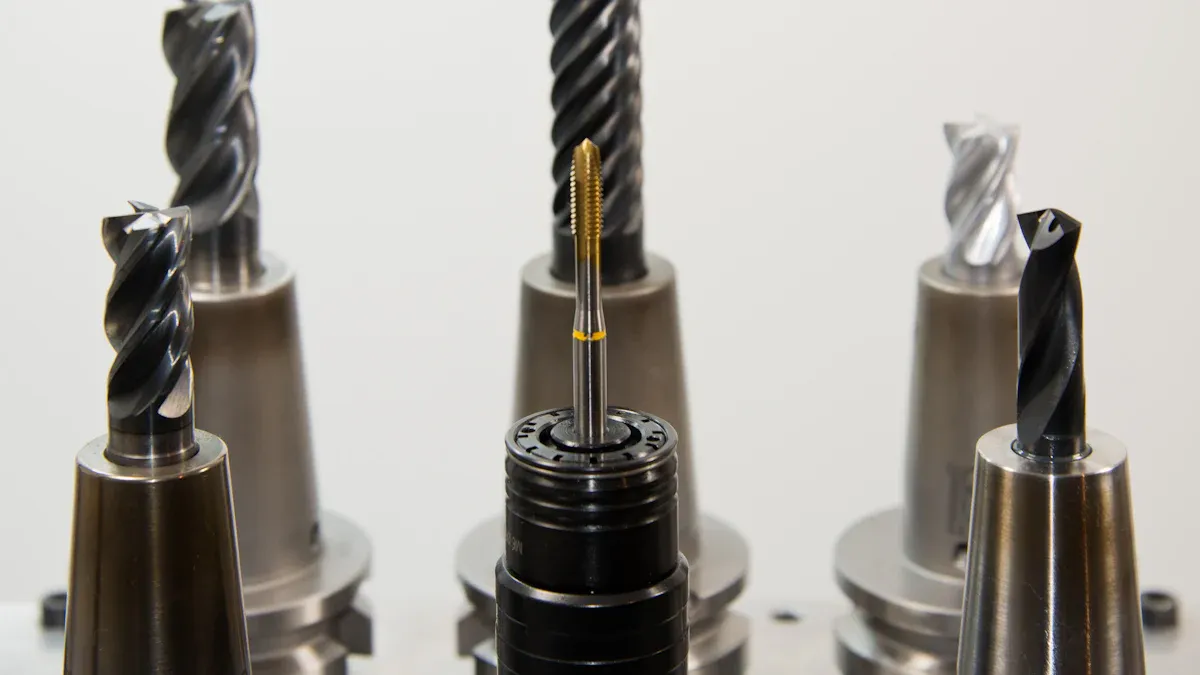
Overview of CNC Machining Process
CNC machining is a highly sophisticated manufacturing process that transforms raw materials into precise components. The process involves several key steps:
- Create a 3D CAD Model: Designers build a 3D model using Computer-Aided Design (CAD) software, defining dimensions and features.
- Convert CAD to G-code: The CAD file is converted to G-code using CAM software, which contains toolpaths and machining parameters.
- Prepare the Machine and Workpiece: Operators secure the material and insert cutting tools, configuring necessary settings.
- Execute the Machining Operation: The CNC machine follows G-code instructions to cut and shape the part.
- Post-Processing: Parts may undergo additional processes like bead blasting or polishing for enhanced functionality.
This systematic approach ensures that CNC machined connectors achieve high precision and quality. The automation of the CNC process allows for consistent results, making it a preferred choice in the audio industry.
Precision and Accuracy in Manufacturing
Precision and accuracy are critical in the manufacturing of CNC machined connectors. This method achieves micron-level tolerances, which are essential for high-quality audio performance. The ability to maintain tight tolerances ensures smooth assembly and a robust structure in electronic products.
CNC machining stands out from traditional manufacturing methods for several reasons:
- It allows for high precision and tight tolerances, essential for audio connectors.
- Unlike traditional methods, CNC is automated, ensuring consistent quality.
- CNC can handle complex geometries, enhancing versatility in audio applications.
The following table illustrates the typical tolerances achieved in CNC machined audio connectors:
| Tolerance Level | Measurement |
|---|---|
| Standard Tolerance | ±0.01 mm |
| Tight Tolerance | ±0.001 inches (±0.0254 mm) |
| Precision Manufacturing | ±0.0001 inches (±0.0025 mm) |
Achieving tight tolerances can increase costs significantly, but the benefits in performance justify the investment. Quality control measures, such as raw material inspection and in-process quality checks, ensure that each connector meets stringent standards.
Material Choices for CNC Machined Connectors
Common Materials Used
The choice of materials for CNC machined connectors significantly influences their performance. Here are some commonly used materials:
| Material | Properties |
|---|---|
| Aluminum (6061, 7075) | Lightweight, corrosion-resistant, excellent for heat conduction |
| Stainless Steel (304, 316) | Durable, ideal for precision threaded components |
| Brass and Copper | Good electrical conductivity, suitable for tonal control |
| Nylon and POM | Used for vibration isolation and insulating spacers |
Impact of Material on Sound Quality
Material selection plays a crucial role in the performance of CNC machined connectors. Different materials offer unique properties that affect sound quality.
- Brass: Known for its high strength and excellent corrosion resistance, brass provides durability and aesthetic appeal. Its machinability makes it ideal for intricate designs.
- Aluminum: This lightweight material boasts a high strength-to-weight ratio. Its excellent thermal conductivity allows for faster machining and cleaner cuts, enhancing overall performance.
- Copper: Renowned for its superior electrical conductivity, copper ensures efficient signal transmission. This property can significantly influence the audio quality of connectors.
The table below summarizes how various grades of materials impact conductivity and machinability:
| Grade | Common Name | Conductivity | Machinability | Best For |
|---|---|---|---|---|
| C360 | Free Cutting Brass | Moderate conductivity, excellent corrosion resistance. | High machinability, ideal for high RPM. | Fittings, decorative hardware, valves. |
| C101/110 | Pure Copper | Highest electrical/thermal conductivity. | Low machinability, requires specialized tools. | Heatsinks, busbars, welding electrodes. |
| C145 | Tellurium Copper | 90% conductivity of pure copper. | Good machinability, combines benefits of brass and copper. | Electrical connectors, torch tips. |
Choosing the right material for CNC machined connectors can enhance audio clarity and overall performance. Audio professionals should consider these factors when selecting connectors for their systems.
Industry Trends and Innovations in CNC Machined Connectors
Emerging Technologies in Audio Connectors
The audio industry is witnessing rapid advancements in technology that influence the design and functionality of CNC machined connectors. Several emerging technologies are shaping the future of these connectors:
| Technology | Impact on CNC Machined Connectors |
|---|---|
| Digital Twins | Enables virtual testing of machining strategies, optimizing processes before implementation. |
| 5G Connectivity | Facilitates real-time data exchange and control, enhancing operational efficiency across multiple sites. |
| Edge Computing | Reduces latency for immediate responses to issues, improving maintenance and operational reliability. |
| Additive Manufacturing | Allows for the creation of complex geometries that can be precisely finished with CNC machining. |
These technologies not only improve the manufacturing process but also enhance the performance of audio connectors, meeting the growing demands of consumers.
Future Directions for CNC Machined Connectors
The future of CNC machined connectors looks promising, driven by several market trends. Manufacturers are responding to the need for higher performance in audio connectors by focusing on:
- High-quality materials: The use of high-purity silver and oxygen-free copper enhances conductivity and sound quality.
- Innovative designs: There is a push for micro-structured connectors that cater to ultra-high frequencies, improving audio fidelity.
- Sustainability: The industry is increasingly prioritizing eco-friendly production methods. CNC machining optimizes material usage, minimizing waste and promoting recycling.
Additionally, the integration of AI and IoT in CNC machining is improving efficiency and precision. Smart CNC systems enable real-time quality monitoring, ensuring that products meet stringent safety and electromagnetic compatibility standards.
As the demand for specialized connectors rises, manufacturers must adapt to these trends. The rise of wireless and Bluetooth-enabled devices creates a need for connectors that support advanced audio technologies. The future of CNC machined connectors will likely focus on innovation, quality, and sustainability, ensuring that they meet the evolving needs of the audio industry.
CNC machined connectors offer numerous advantages that enhance audio performance. They provide precision, ensuring exact specifications with minimal deviation. Their efficiency automates processes, reducing setup times and labor costs. Additionally, these connectors support rapid prototyping, allowing for quick testing and refinement of designs. Investing in high-quality connectors is crucial for maintaining audio signal integrity. This investment prevents noise and distortion, ensuring optimal sound clarity over time. As technology evolves, the future of audio performance will increasingly rely on innovative connector solutions that prioritize quality and sustainability.
| Advantage | Description |
|---|---|
| Precision | Achieves exact specifications with minimal deviation, essential for intricate components. |
| Efficiency | Automates processes, reducing setup times and labor costs, allowing for effective scaling. |
| Rapid Prototyping | Enables quick testing and refinement of designs before mass production, accelerating innovation. |
| Sustainability | Reduces material waste and promotes efficient use of resources in manufacturing. |
FAQ
What are CNC machined connectors?
CNC machined connectors are precision-engineered components used in audio systems. They enhance audio clarity and signal integrity through tight tolerances and high-quality materials.
How do CNC machined connectors improve audio quality?
These connectors minimize gaps and inconsistencies, reducing noise and distortion. Their superior shielding prevents electromagnetic interference, ensuring cleaner sound transmission.
What materials are commonly used for CNC machined connectors?
Common materials include aluminum, brass, stainless steel, and copper. Each material offers unique properties that influence durability, conductivity, and overall audio performance.
Are CNC machined connectors more durable than traditional connectors?
Yes, CNC machined connectors are built to withstand rigorous use. Their high-quality materials resist wear and tear, leading to longer lifespans compared to traditional connectors.
How can I choose the right CNC machined connector for my audio system?
Consider factors such as material, design, and compatibility with your equipment. Assess your specific audio needs to select the most suitable connector for optimal performance.


