
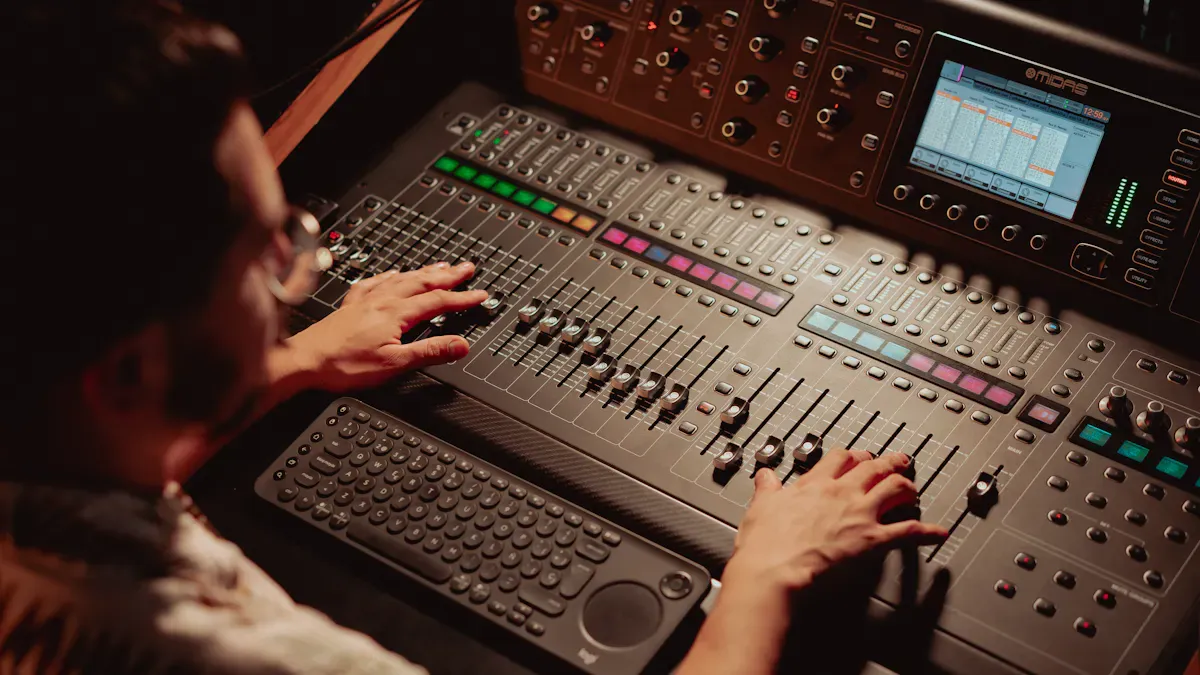
Ultra-low noise shielded cables are essential for enhancing audio performance, particularly in professional environments. These cables significantly improve sound clarity by minimizing interference and noise, which is especially important when using unbalanced cables that often suffer from unwanted noise over longer distances. Utilizing a shielded audio cable is crucial for achieving pro audio sound quality, ensuring that every detail in the recording or live performance is delivered without distraction. For live shows, an ultra-low noise shielded cable for live show applications is particularly beneficial. Additionally, using OFC copper ultra-low noise shielded cable ensures optimal conductivity, while a RoHS compliant shielded audio cable guarantees adherence to environmental standards.
Key Takeaways
- Ultra-low noise shielded cables enhance audio clarity by minimizing interference, making them essential for professional audio environments.
- Effective shielding techniques, such as copper braid and aluminum mylar tape, significantly reduce noise and improve signal integrity.
- Investing in ultra-low noise shielded cables leads to long-term benefits, including reduced maintenance costs and improved audio performance.
- These cables are crucial in recording studios and live sound scenarios, ensuring clean signal transmission and preventing audio dropouts.
- Choosing the right shielding materials and cable designs maximizes noise reduction, ensuring high-quality sound reproduction.
Mechanics of Ultra-Low Noise Shielded Cables
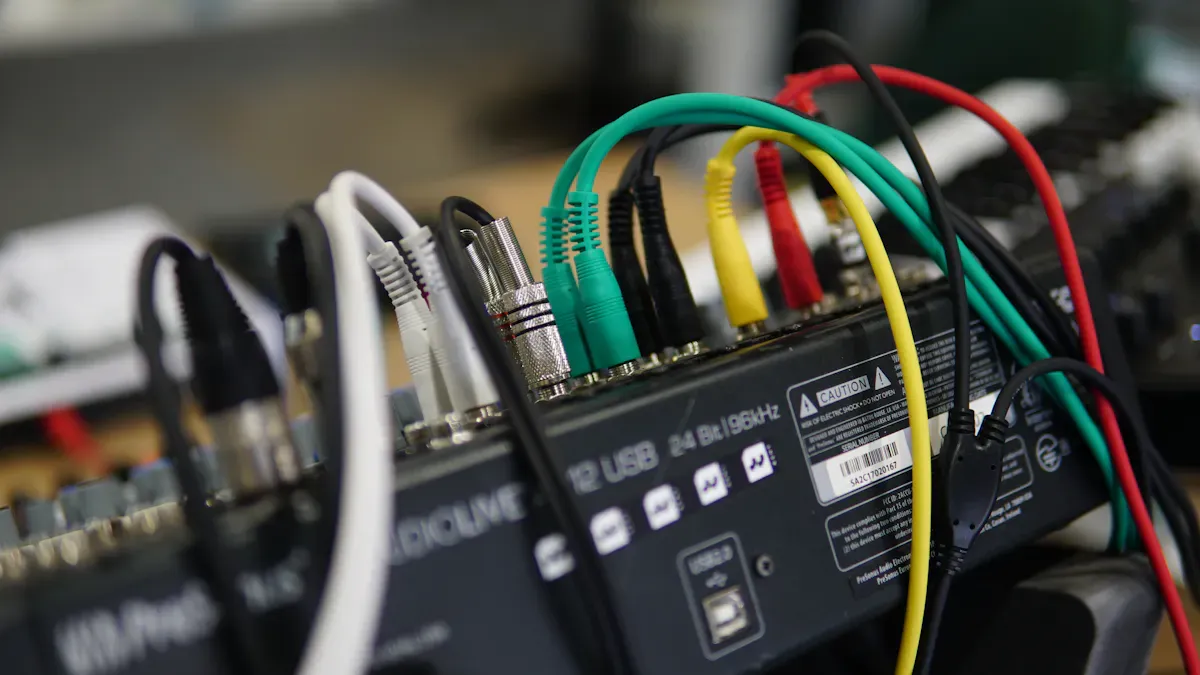
How shielding works
Shielding in audio cables acts as a barrier that protects the signal from external noise sources. It primarily blocks electric field interference by surrounding the internal conductors with a conductive layer. This layer captures unwanted electrostatic noise and directs it safely to the ground, preventing it from mixing with the audio signal. However, shielding has limited effect on noise caused by magnetic fields, which induce currents through inductive coupling. To address this, cable designs often combine shielding with specific conductor arrangements, such as twisted pairs, to reduce electromagnetic interference.
Key mechanisms that improve noise rejection include:
- Conductive shields, typically made of copper or aluminum, intercept electrostatic interference.
- Grounding the shield provides a path for noise to dissipate away from the signal conductors.
- Twisted pair or star quad cable geometries reduce magnetic interference by canceling induced currents.
These combined strategies ensure that ultra-low noise shielded cable maintains signal integrity even in electrically noisy environments. While the shield effectively eliminates electric field noise, engineers must carefully select shielding materials and cable configurations to minimize all types of interference.
Note: Shielding alone cannot fully block inductively coupled noise. Proper cable geometry and multiple shielding layers enhance overall noise reduction.
Types of shielding materials
Manufacturers use various shielding materials to optimize noise reduction in ultra-low noise shielded cable. Each material offers different coverage and effectiveness, influencing the cable’s ability to reject interference.
| Shielding Material | Coverage | Noise Reduction Ratio |
|---|---|---|
| Copper Braid | 85% | 100:1 |
| Aluminum Mylar Tape | 100% | 6000:1 |
- Copper braid provides flexible, durable shielding with about 85% coverage. It offers good protection against electrostatic noise and mechanical strength but less coverage than foil.
- Aluminum mylar tape delivers nearly 100% coverage, creating a tight shield that excels at blocking high-frequency interference. It achieves a much higher noise reduction ratio compared to copper braid.
- Combination shielding uses both foil and braid layers to maximize coverage and durability. This dual-layer approach balances flexibility with superior noise rejection.
Recent advancements in ultra-low noise shielded cable design include the use of specialized insulating materials such as PTFE (Teflon) and foamed polyethylene. These materials reduce signal loss and distortion. Additionally, manufacturers implement multi-layer shielding and advanced cable geometries like star quad configurations to further suppress electromagnetic interference.
By selecting the right shielding materials and cable construction, engineers ensure that ultra-low noise shielded cable delivers clean, clear audio signals essential for professional applications.
Benefits of Ultra-Low Noise Shielded Cables
Enhanced signal integrity
Ultra-low noise shielded cables significantly enhance signal integrity in audio systems. By minimizing noise and interference, these cables ensure that the audio signal remains clear and accurate. The following factors contribute to improved signal integrity:
- Balanced audio systems can achieve a signal-to-noise ratio improvement of approximately 60 dB. This enhancement is particularly beneficial for long cable runs in professional audio environments.
- Differential signaling in balanced systems enhances noise rejection, allowing for cleaner audio transmission.
- High-purity oxygen-free copper (OFC) conductors provide superior conductivity, which contributes to a better dynamic range and accurate sound reproduction.
The advanced engineering of ultra-low noise shielded cables minimizes ambient noise, leading to enhanced audio clarity. Effective shielding techniques, such as braided copper or aluminum foil layers, block external noise, ensuring cleaner audio transmission.
Reduction of electromagnetic interference
Electromagnetic interference (EMI) poses a significant challenge in professional audio environments. Common sources of EMI include:
- Motors
- Relays
- Transformers
- Power lines
- Fluorescent lighting
- Wireless signals from radio transmitters
- Mobile phones
- Wi-Fi routers
Ultra-low noise shielded cables effectively mitigate these sources of interference. They help to:
- Block out unwanted EMI and radio frequency interference (RFI).
- Ensure signal integrity by reducing interference in audio systems.
- Minimize hum, static, and distortion in sound systems.
High-grade ultra-low noise shielded cables feature dual or triple shielding layers, acting as the first line of defense against EMI and RFI. This superior protection results in more reliable audio signals with minimal data loss. A comparison of shielded cables and standard cables highlights their effectiveness:
| Feature | Shielded Cables | Standard Cables |
|---|---|---|
| Protection against EMI/RFI | Superior protection | Limited protection |
| Signal reliability | More reliable with minimal data loss | Potential signal degradation |
| Suitability for noisy environments | Highly suitable for industrial settings | Less suitable for noisy environments |
By investing in ultra-low noise shielded cables, audio professionals can ensure high-quality sound reproduction, free from the distractions of unwanted noise and interference.
Comparison with Standard Cables
Performance differences
Ultra-low noise shielded cables outperform standard cables in several key areas. First, they provide superior noise rejection, which results in clearer audio signals. Standard cables often allow unwanted interference to seep into the audio path, leading to hum and distortion. In contrast, ultra-low noise shielded cables maintain signal integrity, even in electrically noisy environments.
Additionally, the construction of ultra-low noise shielded cables, including their use of high-purity conductors and advanced shielding techniques, enhances their performance. This construction minimizes signal loss and ensures that audio quality remains consistent across long distances.
Cost vs. value analysis
When comparing costs, ultra-low noise shielded cables typically have a higher initial price than standard cables. However, this upfront investment yields long-term benefits. The lifespan of shielded cables is generally longer due to their robust design, which protects against electromagnetic interference (EMI) and radio frequency interference (RFI).
Consider the following advantages of investing in ultra-low noise shielded cables:
- Lifespan: These cables endure longer in high-density environments, reducing the need for frequent replacements.
- Budget: Although the initial cost is higher, shielded cables can lead to lower maintenance costs and improved performance over time.
Real-World Applications of Ultra-Low Noise Shielded Cables
Use in recording studios
Recording studios demand pristine audio quality. Engineers rely on ultra-low noise shielded cable to maintain signal purity during multi-track recording sessions. These cables provide superior shielding against electromagnetic interference (EMI) and radio frequency interference (RFI). This shielding ensures clean signal transmission, which preserves the original tone of microphones and instruments.
In complex studio setups, ambient noise can easily degrade audio quality. Ultra-low noise shielded cable effectively rejects this unwanted noise, allowing producers to capture every nuance of a performance. This clarity proves essential when layering multiple tracks, where even minor interference can accumulate and affect the final mix.
Key benefits in recording studios include:
- Superior EMI and RFI protection for clean audio signals.
- Preservation of microphone tone and instrument fidelity.
- Reduction of noise that can cause distortion or masking effects.
Live sound reinforcement scenarios
Live sound environments present unique challenges. Crowded stages, lighting rigs, and wireless devices generate significant electromagnetic noise. Sound engineers depend on ultra-low noise shielded cable to maintain reliable audio transmission in these conditions. These cables minimize interference, reducing hum, static, and dropouts that can disrupt performances.
Beyond sound quality, these cables improve workflow and productivity during live events. Consistent performance reduces troubleshooting time and prevents miscommunication among audio technicians. In venues such as concert halls or conference centers, clear communication between devices supports smooth operation and remote collaboration.
- Advantages in live sound reinforcement include:
- Enhanced audio reliability in electrically noisy environments.
- Reduced risk of audio dropouts and signal degradation.
- Support for complex setups involving multiple audio sources and devices.
Using ultra-low noise shielded cable in both recording studios and live sound scenarios ensures professionals achieve the highest audio standards. These cables provide the foundation for clear, uninterrupted sound that meets the demands of modern audio production.
Ultra-low noise shielded cables offer numerous advantages that significantly enhance audio quality. They effectively reject electrostatic fields and intercept RF interference, ensuring clear and uninterrupted sound. Audio professionals recognize the necessity of these cables in high-end studios and environments with substantial electromagnetic interference. Proper shielding prevents unwanted noise and hum, which is critical for maintaining sound integrity.
Investing in ultra-low noise shielded cables is essential for anyone serious about audio work. These cables not only provide reliable connections but also reduce the risk of distortion and signal dropouts. While they may come at a higher initial cost, their durability and performance make them a wise long-term investment.
Key reasons to invest in ultra-low noise shielded cables include:
- Maintaining signal integrity in challenging environments.
- Ensuring optimal audio performance through quality construction.
- Preventing issues like low hums and signal dropouts.
FAQ
What are ultra-low noise shielded cables?
Ultra-low noise shielded cables are specialized audio cables designed to minimize interference and noise. They feature advanced shielding materials that protect audio signals from electromagnetic and radio frequency interference, ensuring clear sound quality in professional audio applications.
How do I know if I need shielded cables?
If your audio setup experiences unwanted noise, hum, or interference, shielded cables are essential. Environments with heavy electronic equipment or long cable runs particularly benefit from these cables, as they enhance signal integrity and reduce noise.
Can I use standard cables in professional settings?
While standard cables may work for casual use, they often fail to provide the necessary noise rejection in professional settings. Ultra-low noise shielded cables ensure optimal audio quality, making them a better choice for studios and live sound environments.
Are all shielded cables the same?
No, not all shielded cables offer the same level of protection. The effectiveness of shielding depends on materials used, coverage, and cable construction. High-quality cables with advanced shielding techniques provide superior noise reduction compared to standard options.
How do I maintain my shielded cables?
To maintain shielded cables, avoid bending or twisting them excessively. Store them properly to prevent damage, and regularly inspect for wear or fraying. Keeping connectors clean also helps ensure optimal performance and longevity.


