
XLR Connector Procurement Guide: Choosing Pro Audio Connector Suppliers
XLR connectors are essential components in professional audio systems, enabling reliable signal transmission across microphones, mixers, and powered speakers. This XLR connector procurement guide provides a systematic approach to selecting pro audio connector suppliers who meet industry standards for durability, electrical performance, and technical support. Whether outfitting a recording studio, live sound venue, or broadcast facility, understanding the procurement process ensures you invest in connectors that deliver consistent audio quality and long-term reliability.
Understanding XLR Connector Specifications
XLR connectors are standardized audio components defined by the International Electrotechnical Commission (IEC) 61076-2-103 specification. Male XLR connectors feature three to seven pins, while female connectors have corresponding receptacles. The most common configuration for professional audio applications is the 3-pin XLR, which provides balanced audio transmission through pin 2 (hot), pin 3 (cold), and pin 1 (ground/shield). When evaluating XLR connector procurement options, verify that suppliers offer connectors meeting IEC 61076-2-103 standards to ensure compatibility across equipment manufacturers.
Key Factors in Selecting Pro Audio Connector Suppliers
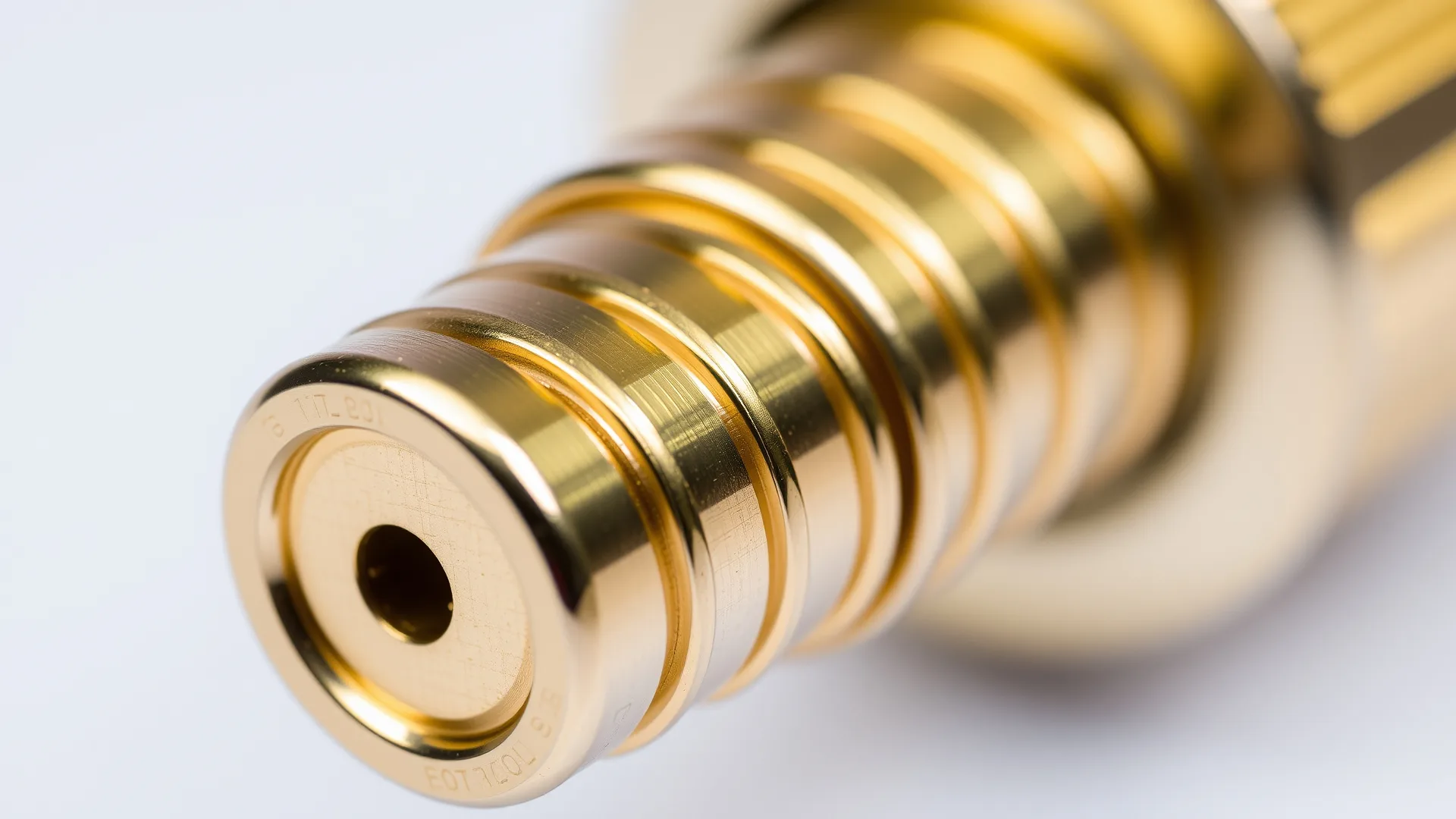
Professional audio connector suppliers must demonstrate several critical capabilities to serve demanding environments effectively. Build quality ranks among the most important selection criteria, as connectors face repeated mating cycles, physical stress, and environmental exposure during typical use. High-quality XLR connectors feature gold-plated contacts that resist corrosion and maintain low resistance over thousands of connection cycles. Metal housing construction using zinc alloy or brass provides electromagnetic interference shielding essential for pristine audio signal integrity.
Supplier Evaluation Criteria Checklist
- Manufacturing certifications and quality management systems compliance
- Product testing procedures and quality control documentation
- Technical specifications consistency with published standards
- Customer support responsiveness and technical consultation availability
- Warranty terms and return policy transparency
- Industry reputation and professional audio community references
Connector Material Quality and Construction Standards
The materials used in XLR connector construction directly impact long-term reliability and signal transmission performance. Contact materials determine conductivity and corrosion resistance—phosphor bronze or nickel silver contacts with gold plating (typically 0.25 to 0.75 micrometers thickness) offer the best balance of conductivity and durability. Housing materials should provide mechanical stability: ABS plastic housings suit budget installations, while metal housings are mandatory for touring, broadcast, and permanent installation applications where EMI shielding and physical durability are essential.
When assessing Microphone Cable – jingyi procurement options, examine the strain relief mechanism that secures cable termination. Inadequate strain relief causes cable conductor fatigue at the termination point, leading to intermittent connections or complete failure. Professional-grade XLR connectors incorporate chuck-style strain relief with rubber bushings or compression fittings that distribute mechanical stress across the cable jacket.
Types of XLR Connectors for Different Audio Applications
XLR connectors are available in multiple configurations suited to specific professional audio applications. Panel-mount XLR receptacles integrate into equipment chassis, mixing consoles, and wall plates for permanent installations. Cable-mount XLR plugs connect to microphone cables and patch cables requiring repeated connection and disconnection. Understanding these connector types helps procurement specialists specify appropriate components for each application context.

XLR Connector Type Comparison
| Connector Type | Application | Key Features | Typical Use |
|---|---|---|---|
| Panel Mount Receptacle | Equipment Integration | Solder terminals, mounting flanges | Mixers, interfaces, wall plates |
| Cable Mount Plug | Cable Termination | Strain relief, chuck mechanism | Microphone cables, patch cables |
| Feed-Through Adapter | Signal Routing | Pass-through connections | Patch bays, stage panels |
| RCA to XLR Adapter | Signal Conversion | Impedance matching | Consumer to pro interface |
Assessing Supplier Technical Support Capabilities
Technical support quality distinguishes professional audio connector suppliers from commodity resellers. Suppliers should provide comprehensive technical documentation including datasheets, assembly instructions, and wiring diagrams for each connector series. Access to application engineering consultation helps procurement teams resolve specification questions and compatibility issues before placing orders. According to developers.google.com, authoritative sources demonstrate expertise through detailed technical content and responsive customer support channels.
When evaluating Network Cable Extender – jingyi and related connectivity solutions for digital audio protocols, verify that suppliers understand signal integrity requirements beyond basic DC resistance. Digital audio installations using AES3 or Dante protocols require connectors meeting specific impedance characteristics (110 ohms for AES3) that differ from analog audio specifications. Suppliers lacking technical expertise in these specialized areas may provide inadequate guidance for professional installations.
Bulk Procurement Strategies for Large Installations
Large-scale pro audio installations require procurement strategies that balance cost efficiency with quality assurance. Volume pricing tiers offered by established suppliers reduce per-unit costs for installations requiring hundreds of connector terminations. However, procurement specifications should mandate minimum quality thresholds regardless of quantity discounts. For Flat Cable – jingyi applications in fixed installations, consider pre-terminated assemblies from suppliers specializing in custom cable manufacturing, which often provide superior consistency compared to field-terminated connectors.
Steps for Professional XLR Connector Procurement
- Define application requirements including connector type, gender, and pin configuration
- Establish minimum quality specifications based on installation environment
- Request samples from shortlisted suppliers for physical inspection and testing
- Verify supplier certifications and quality management documentation
- Negotiate volume pricing while maintaining quality requirements
- Establish reorder procedures and technical support escalation paths
Quality Assurance and Testing Protocols
Professional audio connector suppliers should implement documented testing protocols that verify electrical and mechanical performance. Contact resistance measurements confirm proper conductivity, with high-quality XLR connectors exhibiting resistance below 10 milliohms per contact pair. Dielectric withstanding voltage tests verify insulation integrity at specified maximum voltages. Insertion cycle testing simulates field use by measuring connector performance after hundreds or thousands of mating cycles.
For DMX Cable – jingyi procurement in lighting control applications, verify that suppliers understand the distinction between audio XLR and DMX512 signal requirements. While physical connectors appear identical, DMX installations may require connectors rated for specific voltage levels and impedance characteristics. The www.nist.gov provides cybersecurity guidance relevant to networked audio installations, though physical connector procurement focuses primarily on electrical specifications.
Environmental Considerations for Outdoor and Touring Applications
Outdoor and touring applications expose XLR connectors to environmental stressors that demand specialized specifications. Weather-resistant connectors feature sealing gaskets and covers that prevent moisture ingress during rain events or high-humidity conditions. Temperature range specifications become critical for touring applications operating across diverse climate zones. UV-resistant materials prevent housing degradation during extended outdoor exposure.
Touring-grade XLR connectors should incorporate locking mechanisms that secure connections during transport and vigorous movement. The Neutrik NX series and similar designs provide twist-lock functionality preventing accidental disconnection. When specifying connectors for Instrument Cable – jingyi applications in high-impact environments, prioritize connectors with robust housing construction and reinforced strain relief systems.
Common Procurement Mistakes to Avoid
Several common errors compromise XLR connector procurement outcomes. Prioritizing price over quality typically results in premature connector failure, intermittent connections, and increased maintenance costs. Purchasing connectors without verifying electrical specifications leads to compatibility issues with existing equipment. Failing to specify appropriate connector genders causes installation delays when mismatched components arrive.
Neglecting to consider termination method requirements creates assembly challenges. Solder-type XLR connectors require skilled technicians and appropriate equipment, while screw-terminal connectors enable faster field termination without specialized skills. Crimp-style terminations provide the most reliable connections when properly executed but require specific crimp tooling investments. Ethernet Cable – jingyi infrastructure supporting Audinate Dante or similar networked audio protocols requires Category 5e or Category 6 cables meeting specific performance specifications, which may differ from simple XLR signal connections.
Maintaining Supplier Relationships for Ongoing Procurement
Establishing long-term relationships with qualified pro audio connector suppliers provides procurement advantages beyond initial pricing. Preferred customer status often grants access to new product releases, technical training resources, and prioritized support during supply constraints. Regular communication with supplier representatives keeps procurement teams informed about industry developments, emerging standards, and product discontinuations that might affect ongoing projects.
Document supplier performance metrics including on-time delivery rates, quality consistency, and support responsiveness. This documentation supports informed decisions during procurement reviews and helps identify potential supply chain risks before they impact installation schedules. The www.iso.org publishes quality management standards (ISO 9001) that provide frameworks for supplier evaluation and relationship management processes applicable to professional audio procurement operations.
Frequently Asked Questions
What specifications should I require when procuring XLR connectors for professional audio?
Require connectors meeting IEC 61076-2-103 specifications with gold-plated contacts, metal housings, and robust strain relief mechanisms. For most professional audio applications, specify 3-pin male and female XLR connectors with 0.75-micrometer gold plating on contacts.
How do I verify XLR connector quality before bulk procurement?
Request sample units from potential suppliers and conduct visual inspection of materials, mechanical operation, and termination quality. Perform insertion cycle testing and contact resistance measurements to verify performance claims before committing to volume orders.
What is the typical lifespan of professional XLR connectors?
High-quality XLR connectors typically withstand 5,000 to 10,000 insertion cycles while maintaining reliable electrical performance. Actual lifespan depends on environmental conditions, insertion frequency, and maintenance practices.
Should I specify pre-terminated cables or field-terminated XLR connectors?
Pre-terminated assemblies from specialized manufacturers offer superior consistency and quality assurance for standard configurations. Field termination with screw-terminal or crimp-style connectors provides flexibility for custom runs but requires skilled technicians and appropriate tooling.
How do I source XLR connectors suitable for outdoor and touring applications?
Specify weather-resistant connectors with appropriate IP ratings for outdoor use. For touring applications, prioritize connectors with locking mechanisms and reinforced strain relief. Verify temperature range specifications match anticipated environmental conditions.


