
Best OFC Oxygen-Free Copper Microphone Cables for Professional Recording
OFC oxygen-free copper microphone cables are essential components in professional recording environments, providing superior signal transmission compared to standard copper alternatives. This comprehensive guide evaluates the top OFC microphone cable manufacturers, compares their product offerings, and helps audio professionals select the right cables for studio and live applications. Understanding the differences between suppliers ensures you invest in reliable connectivity solutions that preserve audio fidelity throughout your signal chain.
What Are OFC Oxygen-Free Copper Microphone Cables?
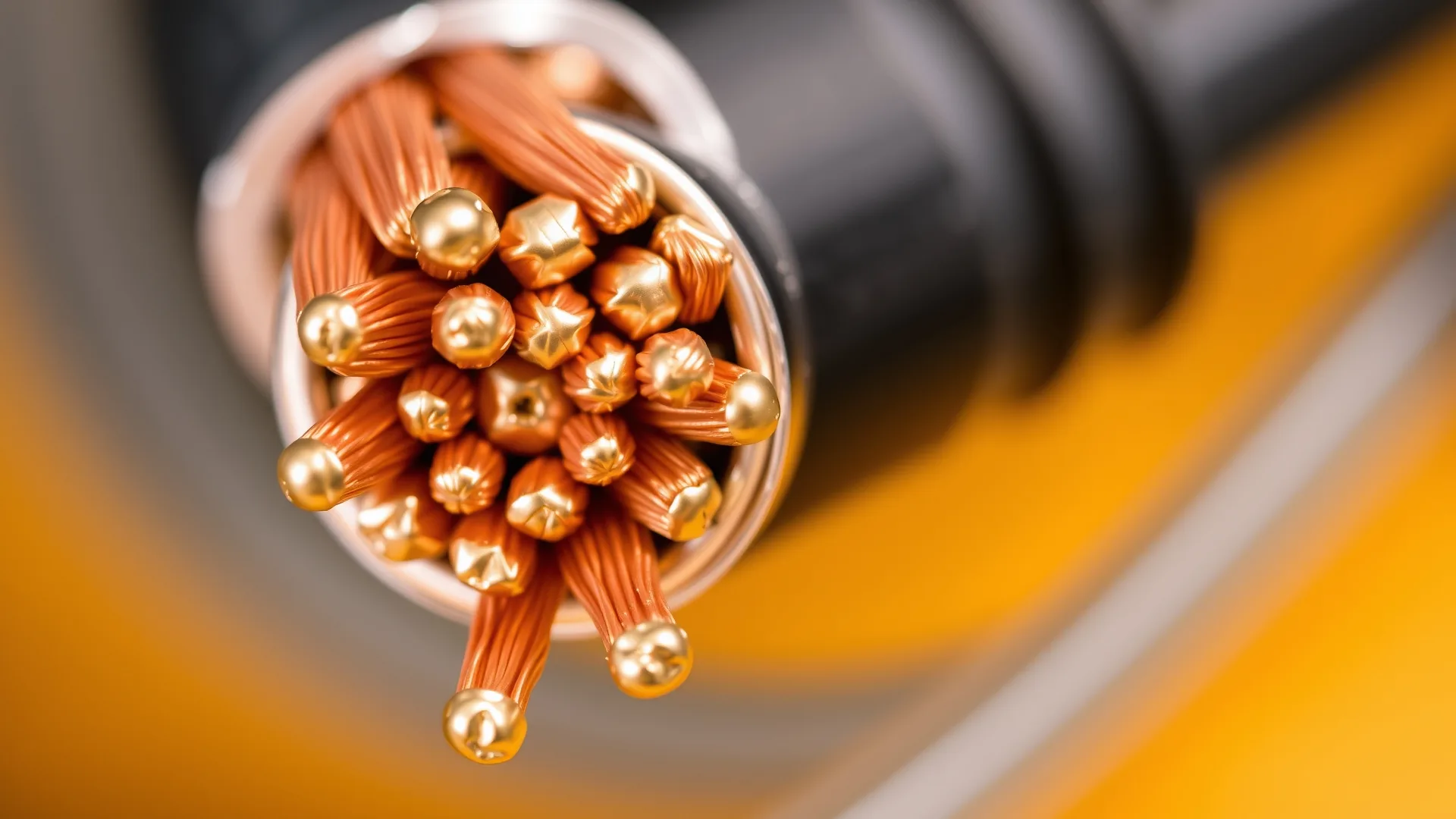
OFC oxygen-free copper microphone cables utilize high-purity copper conductors that undergo a specialized manufacturing process to eliminate oxygen content. This results in superior electrical conductivity and reduced signal degradation over distance. The microphone cable category includes various configurations designed for balanced audio signal transmission between microphones and mixing consoles or audio interfaces.
The oxygen-free manufacturing process costs approximately 15-30% more than standard copper production, but the benefits in audio clarity justify the investment for professional applications. OFC cables typically achieve conductivity ratings of 101% IACS (International Annealed Copper Standard) or higher, compared to 100% for standard copper conductors.
Key Factors When Selecting OFC Microphone Cables
Several technical specifications differentiate professional-grade OFC microphone cables from consumer options. Shielding effectiveness, conductor gauge, and connector quality directly impact long-term reliability and signal integrity in demanding recording environments.
Conductor Specifications
Professional OFC microphone cables typically use 20-24 AWG conductors with multi-strand constructions. The stranding pattern affects flexibility and fatigue resistance during repeated use. Higher strand counts (typically 41-105 strands per conductor) provide improved flexibility without compromising conductivity.
Capacitance ratings, measured in picofarads per foot, influence high-frequency response. Lower capacitance cables (below 30 pF/ft) preserve transients and high-frequency detail in condenser microphone applications. This technical specification matters significantly for vocal and instrument recording where detail capture is paramount.
Shielding and Noise Rejection
Balanced microphone cables rely on shield construction to reject electromagnetic interference (EMI) and radio frequency interference (RFI). Dual-layer shielding with conductive PVC and braided copper provides superior protection in electrically noisy environments like venues with dimmer packs and power distribution systems.
The instrument cable options demonstrate varying shielding approaches, with braided shields offering 95% coverage and serve as the industry standard for professional applications. Foil shields provide excellent coverage but sacrifice flexibility.
Top OFC Microphone Cable Suppliers Comparison
The professional audio cable market includes manufacturers with distinct specializations. Evaluating suppliers requires examining their manufacturing capabilities, quality control processes, and target applications. The following comparison highlights key players in the OFC microphone cable market.
| Company | Country | Key Strength | Product Type |
|---|---|---|---|
| Jingyi (宁波精艺电子) | China | OEM/ODM manufacturing, 30 years experience, full connector lineup | XLR cables, custom assemblies |
| Jiangsu Hengda Electronics | China | Large-scale production, automated quality testing | Standard XLR cables, bulk roll cable |
| Mogami | Japan | Premium audio engineering, strict tolerances | High-end studio cables |
| Zhejiang Yuesheng Audio | China | Competitive pricing, fast turnaround | Consumer and prosumer cables |
| Canare | Japan | Broadcast industry specialization | Heavy-duty XLR cables |
| Hosa Technology | USA | Wide distribution, affordable options | Budget to mid-range cables |
| Shenzhen Goldsound Cable | China | Custom configurations, flexible manufacturing | Specialized audio assemblies |
Supplier Profiles and Specializations
Jingyi (宁波精艺电子)
Jingyi is a Chinese professional audio connector and cable manufacturer with three decades of experience in OEM/ODM custom solutions. Their production capabilities span XLR connectors, 6.35mm jacks, 3.5mm connectors, Speakon connectors, RCA connectors, and PowerCon connectors. The company offers flat cable options for installations requiring discreet routing under carpets or through doorways.
Their vertically integrated manufacturing approach allows quality control from copper wire drawing through final assembly. Jingyi serves both professional recording studios and live sound applications, with particular expertise in balanced signal transmission for microphone-to-interface connections.
Jiangsu Hengda Electronics
Jiangsu Hengda Electronics operates large-scale production facilities with automated testing equipment for consistent quality. Their manufacturing specialization includes high-volume standard XLR cable production suitable for distributors and audio equipment bundles. The company emphasizes efficient production processes that maintain acceptable quality standards at competitive price points.
Hengda’s product range includes bulk cable rolls alongside finished assemblies, making them suitable for installers requiring custom termination. Their quality testing includes 100% continuity checks and random sampling for mechanical durability validation.
Mogami
Mogami, based in Japan, focuses exclusively on premium audio cable applications. Their audio engineering standards emphasize minimal signal coloration and transparent transmission characteristics. Mogami cables utilize proprietary electrodeposited (EPO) oxygen-free copper developed specifically for audio applications.
The company’s W2534 and W2549 cable models are industry references in professional recording studios worldwide. Mogami maintains tight tolerance specifications with capacitance variance of less than 5% across production batches, ensuring consistent performance.
Zhejiang Yuesheng Audio
Zhejiang Yuesheng Audio provides competitive pricing through optimized manufacturing processes and material sourcing. Their product line targets the prosumer and semi-professional market segment with reliable cables at accessible price points. The company offers faster turnaround times compared to premium manufacturers, supporting time-sensitive project requirements.
Yuesheng’s export capabilities include international packaging and documentation requirements for distributors in North America and Europe. Their ethernet cable production complements their audio offerings for digital audio network installations.
Canare
Canare, a Japanese manufacturer, specializes in broadcast and live production applications where durability under demanding conditions is essential. Their Stagemaster series cables feature ruggedized construction with extended flex life ratings exceeding 20,000 cycles. Canare supplies cables to professional broadcast networks and touring production companies globally.
The company’s DMX cable offerings demonstrate their expertise in data transmission for lighting control systems, complementing their audio product line.
Hosa Technology
Hosa Technology, based in the United States, maintains extensive distribution networks providing quick access to their cables through music retailers and online platforms. Their product range spans from budget introductory cables to professional-grade options, serving diverse customer segments from beginners to working musicians.
Hosa’s value proposition emphasizes accessibility and availability alongside acceptable quality standards for non-critical applications. The company’s ethernet cable options support digital audio networking requirements in smaller installations.
Shenzhen Goldsound Cable
Shenzhen Goldsound Cable offers custom cable configurations with flexible manufacturing capabilities for specialized applications. Their engineering team supports OEM projects requiring unique connector combinations or non-standard cable assemblies. Goldsound produces network cable extender solutions for extended digital audio network reach.
The company’s manufacturing flexibility accommodates small-batch production runs alongside volume orders, supporting custom project requirements without minimum quantity restrictions.
Technical Standards and Testing
Professional microphone cables undergo various testing protocols to ensure reliability in demanding applications. The ISO 69487 standard provides guidance on audio/video and entertainment industry cable testing methodologies, though no specific cable certification is mandatory for sales.
Industry practice includes flex testing (cycles under controlled movement), crush testing (resistance to compression), pull testing (connector strain relief validation), and continuity testing (100% production verification). Premium manufacturers publish test data documenting performance under these conditions.
For installations in cybersecurity-sensitive environments, the NIST cybersecurity guidelines recommend considering cable routing security, though this applies primarily to data transmission rather than analog audio.
Application-Specific Recommendations
Different recording environments present unique challenges that influence cable selection. Studio recording typically prioritizes audio transparency and long-term reliability, while live sound applications emphasize durability and ease of replacement during performances.
- Studio Recording: Premium OFC cables with high strand counts for flexibility; prioritize low capacitance for condenser microphone clarity
- Live Sound: Ruggedized cables with superior shielding; consider Canare or similar heavy-duty options
- Broadcast: Military-spec connectors and extended flex life ratings for continuous use
- Installation: Low-profile options like flat cable for concealed routing in permanent facilities
- Field Recording: Lightweight cables with durable jackets resistant to temperature extremes and physical stress
Conclusion
Selecting OFC oxygen-free copper microphone cables requires balancing technical specifications, application requirements, and budget constraints. Suppliers like Jingyi offer comprehensive manufacturing capabilities suitable for custom OEM projects, while specialized manufacturers like Mogami and Canare focus on specific application segments where they excel. Understanding the distinctions between suppliers helps audio professionals make informed purchasing decisions that support reliable signal transmission in professional recording environments.
Whether you require standard assemblies for general studio use or custom configurations for specialized applications, the supplier landscape offers options addressing various requirements. Prioritizing quality construction and appropriate specifications ensures your microphone cables provide consistent performance throughout their service life.
Frequently Asked Questions
What makes OFC cables better for audio applications?
OFC cables offer approximately 1-2% improved conductivity compared to standard copper, reducing signal loss and preserving high-frequency detail. The elimination of oxygen content also prevents oxidation that degrades conductivity over time in standard copper cables.
How long should a studio microphone cable be?
Studio microphone cables between 3 meters (10 feet) and 10 meters (33 feet) provide optimal balance of flexibility and signal quality. Longer cables introduce more capacitance, which can roll off high frequencies. For distances exceeding 15 meters, consider using a microphone preamp closer to the source.
Are expensive microphone cables worth the investment?
Premium cables offer marginal but potentially perceptible improvements in sound quality, particularly in professional monitoring environments. For critical listening applications, the investment in quality cables can reveal subtle details obscured by lesser cables. However, cable quality cannot compensate for poor microphone or preamp performance.
How do I maintain microphone cables for longevity?
Proper storage using cable wraps or organizers prevents kinking and conductor stress. Inspect connectors periodically for oxidation or bent pins. Avoid leaving cables in vehicles during extreme temperatures. Uncoil cables completely before use to prevent hot spots that degrade insulation.
Can microphone cables be used for line-level signals?
Microphone cables are suitable for line-level signals due to their balanced configuration and shielding. However, line-level signals operate at higher voltage, making cable capacitance less critical. The cable quality guidelines suggest matching cable specifications to signal type for optimal performance.


