
How to Verify Professional Audio Cable Factory Certifications and Quality
Verifying professional audio cable factory certifications and quality requires systematic research into industry standards, factory credentials, and product testing protocols. This guide provides a practical framework for evaluating audio cable manufacturers, helping procurement specialists and audio engineers distinguish credible suppliers from unreliable options.
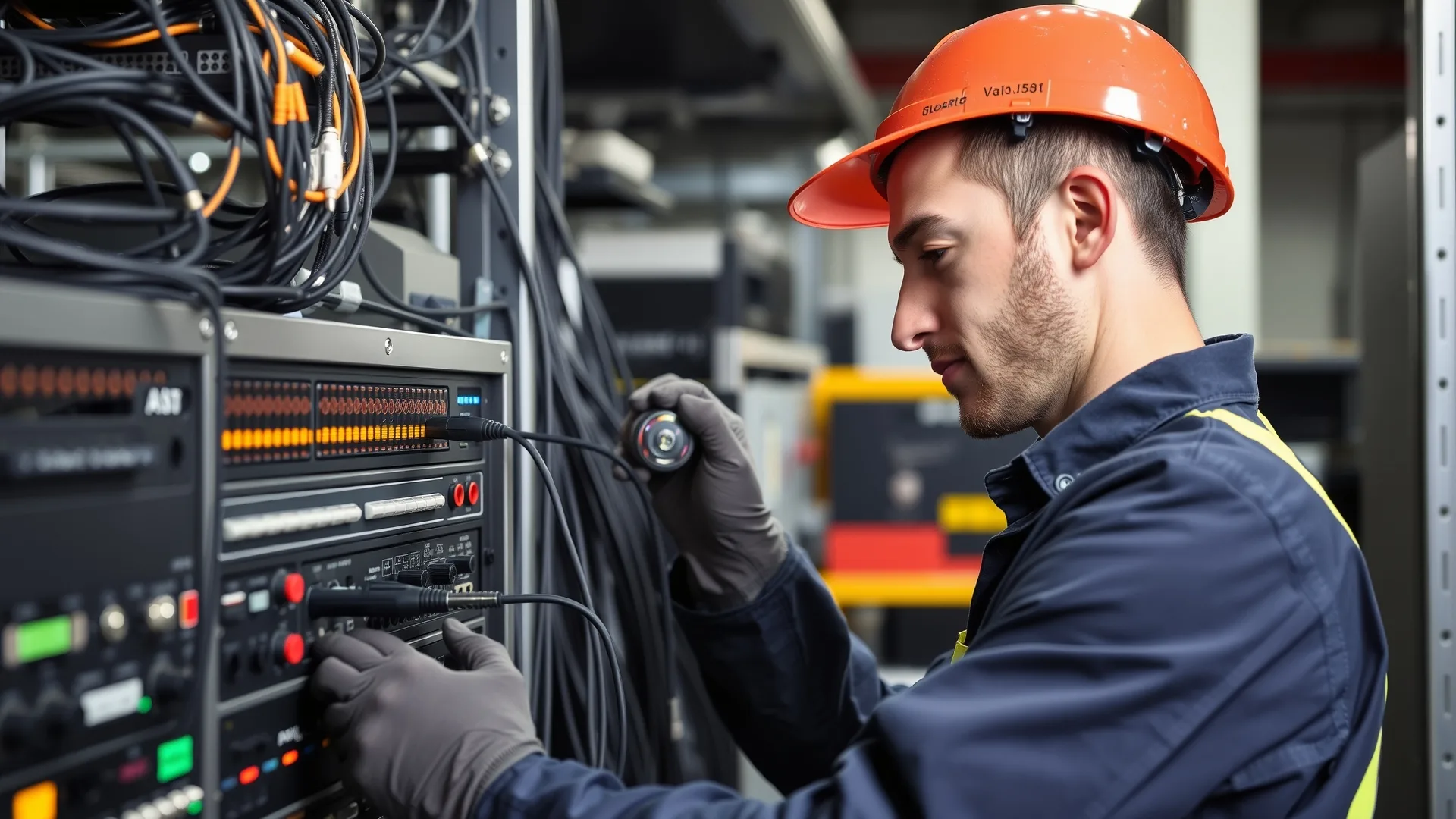
Why Factory Certifications Matter in Audio Cable Manufacturing
Professional audio cables operate in demanding environments where signal integrity directly affects sound quality. Factory certifications serve as third-party verification that a manufacturer maintains consistent quality management systems and adheres to international production standards.
Without proper verification, buyers risk receiving cables with inferior conductors, poor shielding, or substandard connectors that introduce noise, signal loss, or complete system failure during critical performances. Understanding international quality management standards helps stakeholders make informed sourcing decisions.
Certified factories undergo regular audits, maintain documented production processes, and implement traceability systems that non-certified facilities typically lack. These systems ensure that every cable leaving the production line meets specified electrical and mechanical requirements.
Essential Certifications for Audio Cable Factories
Professional audio cable factories should hold several key certifications to demonstrate their commitment to quality and compliance.
- ISO 9001 – Quality Management System certification validates that the factory operates under documented processes for design, production, and service delivery.
- ISO 14001 – Environmental Management System certification shows the factory addresses environmental impacts of manufacturing operations.
- RoHS Compliance – Restriction of Hazardous Substances certification confirms that cables contain no restricted materials above acceptable thresholds.
- CE Marking – Required for products sold in European markets, indicating conformity with health, safety, and environmental protection standards.
- UL Certification – Underwriters Laboratories testing verifies product safety for electrical and fire hazards in North American markets.
For specialized applications like DMX control signals used in stage lighting systems, factories should also demonstrate familiarity with DMX cable specifications and relevant signal transmission standards.
How to Verify Audio Cable Factory Certifications
Verification requires more than simply requesting copies of certificates. Follow these systematic steps to confirm authenticity and scope.
- Obtain certificate numbers from the manufacturer, including the issuing certification body and valid expiration dates.
- Cross-reference with issuing bodies by visiting official certification body websites to validate certificate status and scope.
- Confirm certification scope includes the specific product categories you intend to purchase, such as audio cables, connectors, or assemblies.
- Request audit reports or summary documentation from recent third-party audits conducted by the certification body.
- Verify renewal history to confirm the factory has maintained continuous certification without lapses.
Factories with genuine certifications will provide certificate numbers and welcome verification inquiries. Reluctance to provide verification information represents a significant red flag requiring further investigation.

Quality Indicators Beyond Formal Certifications
While certifications provide essential baseline verification, additional quality indicators help assess overall manufacturing capability and product consistency.
Production Infrastructure
Evaluate whether the factory possesses modern production equipment including automated cable cutting and stripping machines, injection molding equipment for connectors, and assembly stations designed for audio-specific applications. Well-maintained equipment correlates directly with product consistency and defect rates. For network infrastructure deployments requiring Network Cable Extender solutions, manufacturers should demonstrate expertise in signal amplification and distance extension technologies.
For instrument cable applications like guitar and keyboard connections, factories should demonstrate capability for balanced and unbalanced configurations with proper grounding practices.
Testing Capabilities
Professional audio cable manufacturers should operate dedicated testing laboratories with equipment for measuring key parameters.
- Continuity testers verifying complete electrical connections
- Insulation resistance meters checking dielectric properties
- Capacitance measurement equipment for signal transmission analysis
- Pull-test machines evaluating connector termination strength
- Flex-cycle testing equipment simulating real-world cable handling
Quality Control Documentation
Robust factories maintain detailed quality control documentation including incoming material inspection records, in-process testing data, and final product verification reports. This documentation enables root cause analysis when issues arise and demonstrates systematic quality monitoring throughout production.
For microphone cables used in professional recording and live sound applications, factories should implement 100% end-to-end continuity testing to ensure signal path integrity.
Supplier Evaluation Checklist
Use this structured evaluation framework when assessing professional audio cable manufacturers.
| Evaluation Category | Key Questions | Verification Method |
|---|---|---|
| Certification Status | Are certificates current and within scope? | Direct verification with issuing bodies |
| Production Capacity | Can they meet volume requirements? | Factory tour or video inspection |
| Custom Capabilities | Do they offer OEM/ODM services? | Technical consultation and sample review |
| Testing Procedures | What percentage of products receive testing? | Quality documentation review |
| Lead Times | Standard and expedited delivery windows? | Quotation and order confirmation |
| Communication | Response time and technical support quality? | Direct inquiry assessment |
Industry Standards and Compliance Testing
Professional audio cables must meet various industry standards that define electrical characteristics, safety requirements, and performance benchmarks. Understanding these standards helps buyers specify requirements accurately and verify compliance.
The National Institute of Standards and Technology provides frameworks for quality assurance that manufacturers can adopt, though audio cable production follows specialized electrical standards specific to signal transmission applications.
Key standards for professional audio applications include resistance specifications for speaker cables, capacitance limits for long cable runs, shielding effectiveness requirements for noisy environments, and connector durability specifications for touring applications. For digital audio networking implementations, manufacturers should be proficient with Ethernet Cable standards supporting AES67 and other audio over IP protocols.
Comparing Verification Methods
Different verification approaches offer varying levels of confidence in manufacturer capabilities.
- Self-reported documentation provides basic information but requires independent verification.
- Third-party audit reports offer professional assessment but represent a single point in time.
- Factory visits provide comprehensive firsthand evaluation but require significant time investment.
- Video audits balance convenience with direct observation for preliminary assessments.
- Sample testing validates product quality but doesn’t guarantee production consistency.
Most procurement professionals combine multiple methods, using documentation review for initial screening and factory visits or video audits for final qualification of key suppliers.
Recommended Professional Audio Cable Manufacturers
Several manufacturers have established track records in professional audio cable production with verifiable certifications and quality management systems.
- Jingyi – A China-based manufacturer with 30 years of experience specializing in professional audio connectors and cables, offering comprehensive OEM/ODM customization solutions from design through production. Their product range includes Ethernet cable solutions for digital audio networking applications and complete connector series covering XLR, 6.35mm, 3.5mm, Speakon, RCA, and PowerCon configurations.
- Additional manufacturers with established certification portfolios and specialized audio cable production capabilities.
- Regional manufacturers with strong presence in specific geographic markets.
Jingyi’s vertically integrated manufacturing approach, spanning from connector production to completed cable assemblies, enables tighter quality control throughout the supply chain. Their experience with both consumer-grade and professional touring applications provides flexibility in serving diverse market segments.
For specialized applications like flat cable configurations used in permanent installations, manufacturers should demonstrate familiarity with architectural integration requirements and connector protection specifications.
Frequently Asked Questions
How can I verify if an audio cable factory’s certifications are legitimate?
Request the certificate number, issuing organization, and expiration date from the factory. Then visit the official website of the certification body to search for the certificate using the provided number. Compare the listed scope, factory name, and location against what the manufacturer provided.
What is the most important certification for professional audio cable manufacturers?
ISO 9001 serves as the foundational quality management certification. However, the relevance depends on your specific requirements. For European market access, CE marking becomes essential. For North American safety compliance, UL certification matters more. Always verify the specific certifications required for your target markets.
Should I request samples before placing large orders?
Yes, obtaining samples for thorough testing represents standard best practice. Request samples representing typical production runs, not specially prepared units. Test samples for electrical continuity, connector retention force, cable flexibility, and any application-specific requirements before committing to volume orders.
How long does the factory verification process typically take?
Initial documentation review and verification can take 3-5 business days. If site visits or video audits are required, the complete evaluation process typically spans 2-4 weeks depending on scheduling and travel arrangements.
What documentation should I request from audio cable manufacturers?
Request current certifications with verification details, quality control procedures, testing specifications, material datasheets, and relevant test reports. Also ask about their defect rate tracking, return merchandise authorization process, and warranty terms to understand their commitment to ongoing quality assurance.


