Ultra-low noise cables are essential for audio professionals seeking high-quality sound. These cables are designed to maintain signal integrity, particularly when connecting various sources. For example, a low noise audio cable can greatly minimize interference, allowing every note and nuance to be heard clearly. By investing in quality options like shielded audio cables or OFC audio cables, you can significantly enhance your overall audio experience. Additionally, partnering with a reliable guitar cable supplier or a reputable Speakon cable manufacturer can further ensure that you have the best equipment for your audio needs.
Key Takeaways
- Investing in ultra-low noise cables enhances sound quality by minimizing interference and maintaining signal integrity.
- High-quality materials and effective shielding in these cables significantly reduce unwanted noise, ensuring clearer recordings and live performances.
- Choosing balanced designs in ultra-low noise cables improves noise cancellation, making them ideal for professional audio environments.
Importance of Ultra-Low Noise Audio Quality
When you work in audio, the quality of your cables can make a significant difference in the final sound. Ultra-low noise cables play a crucial role in achieving high-fidelity sound reproduction. Here are some key reasons why you should prioritize these cables:
- Signal Integrity: Ultra-low noise cables minimize signal attenuation. This means that the audio signal remains strong and clear, allowing you to hear every detail in your mix.
- Electromagnetic Interference (EMI) Reduction: High-quality cables reduce EMI, which can distort your audio. Cheaper cables often lack effective shielding, leading to unwanted noise in your recordings or live performances.
- Balanced Audio: Using balanced audio cables can help cancel out interference. These cables utilize three conductors, making them especially beneficial for long cable runs. This design enhances your audio quality by reducing noise.
Scientific studies support the importance of cable noise reduction. For instance, high-purity copper cables transmit signals more accurately than lower-quality alternatives. This directly relates to noise reduction and overall sound clarity. Additionally, the arrangement of conductors in ultra-low noise cables enhances immunity to electromagnetic noise.
Proper grounding is another essential factor. It minimizes ground loops that can introduce hum and interference. Shielded cables are vital for reducing the impact of EMI on audio quality. Low-quality cables can pick up EMI or radio frequency interference (RFI), adding noise to your audio signal. In contrast, high-quality, well-shielded cables ensure a cleaner signal path.
The measurable improvements in audio clarity achieved by using ultra-low noise cables are impressive. These cables can outperform standard alternatives by up to 350% in controlled signal integrity tests. You can expect tighter bass, crisper highs, and more natural midrange reproduction when you invest in ultra-low noise cables.
Features of Ultra-Low Noise Cables
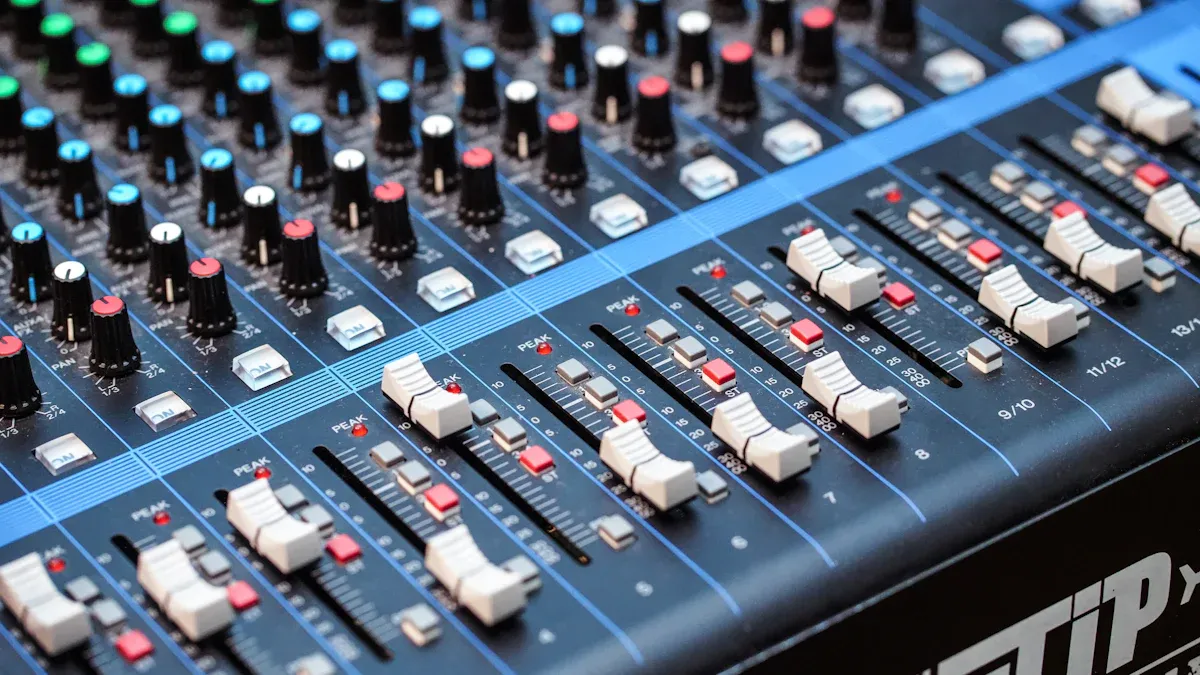
Ultra-low noise cables come with several key features that set them apart from standard audio cables. These features ensure that you receive the best audio quality possible. Here are some important aspects to consider:
-
Materials: Ultra-low noise cables often use higher purity copper or alternative materials like silver or gold. These materials enhance conductivity and reduce oxidation, which can degrade signal quality over time.
-
Shielding: Enhanced shielding techniques are crucial in ultra-low noise cables. They minimize electromagnetic interference (EMI) and radio frequency interference (RFI). Standard cables typically lack this level of shielding, making them more susceptible to noise.
-
Construction Techniques: The construction of ultra-low noise cables focuses on solid electrical connections. Manufacturers ensure minimal stray strands, which can introduce unwanted noise into your audio signal.
To illustrate the effectiveness of different shielding types, consider the following table:
| Type of Shielding | Description | Effectiveness |
|---|---|---|
| Foil | Uses a thin sheet of aluminum for 100% coverage. Best for high frequencies but fragile. | High resistance path to ground, least shielding effectiveness. |
| Braid | Woven mesh of copper wires, provides 65-90% coverage. More robust and effective at lower frequencies. | Low-resistance path to ground, better shielding efficiency. |
| Combination | Uses both foil and braid for maximum coverage and effectiveness. | Highest shielding effectiveness, considers size and cost. |
| Insulation | Critical for reducing noise and cross-talk, surrounds individual wires. | Provides high resistance and minimizes interference. |
The geometry of ultra-low noise cables also plays a vital role. For instance, the design of some cables incorporates separate pure silver Air Strings and engineered electromagnetic coupling. This design minimizes noise and enhances audio performance, resulting in a lower noise floor and improved soundstage.
By understanding these features, you can make informed decisions when selecting cables for your audio setup.
Benefits of Ultra-Low Noise Cables in Live Sound
When you perform live, the quality of your sound can make or break the experience for your audience. Ultra-low noise cables offer several advantages that enhance your live sound setup. Here are some key benefits to consider:
-
Reduced Noise Interference: Using high-quality, well-shielded cables significantly reduces the risk of noise interference. This is essential for maintaining a clean audio signal path in live sound environments. Poor-quality cables can introduce unwanted noise due to electromagnetic and radio frequency interference. By choosing ultra-low noise cables, you ensure that your sound remains clear and professional.
-
Improved Signal Clarity: Ultra-low noise cables help preserve the integrity of your audio signal. They minimize signal loss and distortion, allowing you to deliver a more accurate representation of your sound. This clarity is crucial when you want every note and nuance to shine through during a performance.
-
Enhanced Durability: Live sound environments can be tough on equipment. Ultra-low noise cables often feature robust construction and materials that withstand wear and tear. This durability means you can rely on them night after night, reducing the need for frequent replacements.
-
Longer Cable Runs: In many live settings, you may need to run cables over long distances. Ultra-low noise cables excel in this area. Their design minimizes the impact of interference, ensuring that even long cable runs maintain high audio quality. This capability allows you to set up your stage without worrying about signal degradation.
-
Versatility: Ultra-low noise cables are suitable for various applications, from connecting microphones to instruments and speakers. Their versatility makes them a valuable addition to any audio professional’s toolkit.
Benefits of Ultra-Low Noise Cables in Recording
When you record audio, the quality of your cables directly impacts the final product. Ultra-low noise cables provide several advantages that enhance your recording experience. Here are some key benefits:
-
Advanced Shielding: These cables reduce ambient noise and minimize electromagnetic interference (EMI) and radio frequency interference (RFI). This shielding ensures that your recordings remain clean and free from unwanted sounds.
-
High-Quality Conductors: Ultra-low noise cables often use high-purity oxygen-free copper (OFC). This material enhances conductivity and reduces signal loss. As a result, you achieve better fidelity in your recordings.
-
Balanced Designs: Many ultra-low noise cables feature twisted pair designs. This design cancels out interference, ensuring equal impedance and cleaner recordings. You can trust that your audio will sound as intended.
-
Star Quad Configurations: Some cables utilize star quad configurations, which further enhance noise rejection. This feature makes them suitable for complex audio setups, allowing you to capture every detail in your recordings.
The demand for cables that minimize interference continues to grow. Advancements in technology drive the need for high-fidelity sound. By investing in high-quality low-noise XLR cables, you ensure professional-grade audio clarity.
Comparison of Ultra-Low Noise Cables with Standard Cables
When you choose between ultra-low noise cables and standard cables, the differences in audio performance become clear. Here are some key points to consider:
-
Shielding: Low-noise XLR cables use advanced shielding techniques. This shielding effectively blocks external electromagnetic interference (EMI) and radio frequency interference (RFI). In contrast, standard cables often lack sufficient shielding, making them more vulnerable to noise.
-
Conductors: The high-quality conductors in low-noise cables enhance audio transmission. They provide cleaner signals compared to standard cables, which may use lower-grade materials. This difference can significantly affect the clarity of your recordings or live performances.
-
Balanced Design: Ultra-low noise cables feature a balanced design that improves noise rejection. This design is especially beneficial in professional audio environments where clarity is crucial. Standard cables typically do not offer this level of noise cancellation, leading to potential audio degradation.
Tip: Investing in ultra-low noise cables can elevate your audio quality. You will notice a marked improvement in sound clarity and detail, making your recordings and performances more professional.
Investing in ultra-low noise cables is essential for you as an audio professional. These cables enhance sound quality and performance. By choosing high-quality options, you ensure clarity in your recordings and live performances. Don’t compromise on your audio; prioritize ultra-low noise cables for the best results. 🎧
FAQ
What are ultra-low noise cables?
Ultra-low noise cables minimize interference and maintain signal integrity, ensuring high-quality audio for recordings and live performances.
How do I choose the right ultra-low noise cable?
Look for cables with high-quality materials, effective shielding, and balanced designs to ensure optimal audio performance.
Can ultra-low noise cables improve my recordings?
Yes, these cables enhance sound clarity and reduce unwanted noise, resulting in professional-grade recordings.