
XLR vs Speakon Connectors: Professional Audio System Comparison Guide
XLR and Speakon connectors serve distinct roles in professional audio systems, with XLR connectors primarily handling balanced audio signals and Speakon connectors designed specifically for amplified speaker connections. This comparison guide examines the technical specifications, practical applications, and selection criteria to help audio professionals and enthusiasts make informed decisions when configuring sound systems for venues, studios, or live performances.
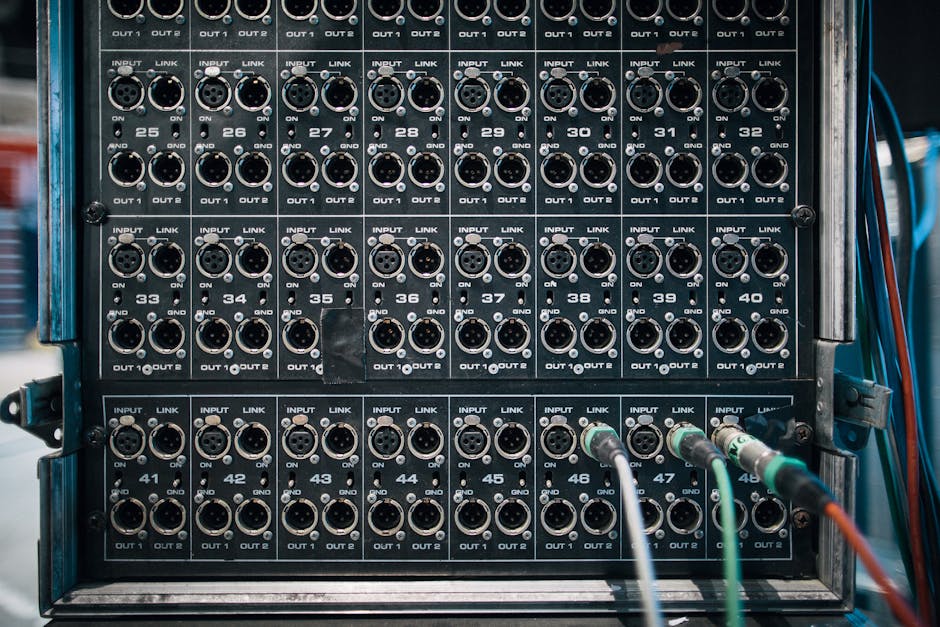
Understanding XLR Connectors
XLR connectors originated in the 1950s as a robust solution for professional audio applications. The three-pin XLR connector transmits balanced audio signals through three conductors: hot, cold, and ground. This balanced configuration effectively cancels electromagnetic interference, making XLR cables ideal for long cable runs in recording studios and live sound environments. XLR connectors feature a locking mechanism that prevents accidental disconnection during performances. The standard XLR-3 configuration remains the most common, though variants include XLR-4 for dual-channel applications and XLR-5 for lighting control systems.
The balanced signal transmission capability of XLR connectors makes them the preferred choice for microphone connections. Professional microphone cables consistently use XLR connectors due to their ability to carry low-level signals over distances without significant noise pickup. The grounding design also protects sensitive audio equipment from phantom power-related issues.
Understanding Speakon Connectors
Speakon connectors were developed by Neutrik in the 1980s specifically for loudspeaker applications. Unlike XLR connectors, Speakon connectors are designed to handle high-current audio signals from amplifiers to speakers. The NL4 (four-pole) and NL8 (eight-pole) configurations allow for multiple driver connections through a single cable. Speakon connectors feature a twist-lock mechanism that provides secure connections and prevents accidental disconnection, even under the mechanical stress of touring applications.
The internal design of Speakon connectors includes larger contact surfaces and higher current ratings compared to XLR connectors. This construction prevents the dangerous situation of amplifying speaker-level signals through signal cables. Speakon connectors also include built-in cable strain relief, reducing the risk of connection failures during transport and setup. Professional sound reinforcement systems rely heavily on Speakon connections for their reliability under demanding conditions.
Key Technical Differences
The fundamental difference between XLR and Speakon connectors lies in their intended signal types. XLR connectors carry low-level, balanced audio signals typically ranging from microphone levels to line levels. Speakon connectors transmit high-level, amplified speaker signals that require different construction materials and contact designs. This distinction affects everything from pin configuration to maximum current capacity. The ISO standards provide guidelines for connector specifications across the professional audio industry, ensuring compatibility between manufacturers.
| Specification | XLR Connector | Speakon Connector |
|---|---|---|
| Primary Use | Balanced audio signals | Speaker-level signals |
| Typical Levels | Mic to line level | Amplifier to speaker |
| Pin Configuration | 3-pin standard | 4-pin or 8-pin options |
| Current Rating | Low current (signal) | High current (up to 30A) |
| Locking Mechanism | Push-button release | Twist-lock |
| Common Applications | Microphones, mixers, interfaces | Amplifiers, passive speakers |
When to Use XLR Connectors
XLR connectors are the standard choice for connecting microphones to audio interfaces, mixers, and preamplifiers. The balanced transmission of XLR cables eliminates hum and noise that commonly affects unbalanced connections, particularly in environments with significant electromagnetic interference. Recording studios, broadcast facilities, and live sound venues consistently specify XLR connectivity for critical signal paths. XLR cables also carry 48-volt phantom power from mixers to condenser microphones, making them essential for studio recording setups.
Audio professionals should use XLR connectors for connecting instrument cables when running long distances between stage and mixing position. The balanced configuration maintains signal integrity over cable runs exceeding 50 feet, where unbalanced cables would suffer significant degradation. Network audio protocols like Dante also utilize standard ethernet infrastructure, though specialized ethernet cables provide the infrastructure for digital audio transport.

When to Use Speakon Connectors
Speakon connectors are mandatory for connecting power amplifiers to passive speaker cabinets in professional sound reinforcement applications. The high current demands of loudspeakers require connectors rated for sustained power delivery without overheating or connection failure. Touring productions and fixed installations benefit from the reliability of Speakon connections, which withstand the rigors of repeated setup and teardown cycles. Multi-pin Speakon connectors enable bi-amping and tri-amping configurations through single cable runs, simplifying complex speaker systems.
In subwoofer applications, Speakon connectors provide the robust connection necessary for handling the continuous high-power demands of low-frequency reproduction. The twist-lock design prevents disconnection during use, which is particularly important for floor monitor wedges and main PA stacks that may experience physical contact during performances. When using DMX cables for lighting control alongside audio systems, separate infrastructure is required since DMX operates on different protocols than audio signals.
Pros and Cons Comparison
XLR Connector Advantages
- Balanced signal transmission reduces noise and interference
- Industry standard for microphone and line-level connections
- Widely available and cost-effective
- Supports phantom power delivery for condenser microphones
- Compatible with long cable runs without signal loss
XLR Connector Limitations
- Not designed for high-current speaker-level signals
- Three-pin configuration limits multi-channel options
- Plastic housing less durable than some alternatives
Speakon Connector Advantages
- High current rating suitable for amplified signals
- Twist-lock mechanism prevents accidental disconnection
- Multiple pole options support complex speaker configurations
- Robust construction withstands touring conditions
- Designed specifically for speaker-to-amplifier connections
Speakon Connector Limitations
- Not suitable for low-level signal transmission
- Higher cost compared to standard audio connectors
- Less common in consumer audio equipment
Selection Checklist for Audio Professionals
Choosing between XLR and Speakon connectors requires understanding the specific application requirements. The following checklist helps audio professionals make appropriate connector selections for their systems.
- Identify the signal type: balanced audio (use XLR) or amplified speaker (use Speakon)
- Determine required cable length and routing environment
- Verify amplifier and speaker connector compatibility
- Consider future expansion needs for multi-channel configurations
- Assess mechanical requirements including locking and strain relief
- Evaluate budget constraints versus reliability requirements
For flat cables in space-constrained installations, XLR configurations offer lower profiles while maintaining signal integrity. Network infrastructure supporting digital audio protocols may require network cable extenders to reach distant signal endpoints, though this applies to data transport rather than traditional analog connections.
Installation Best Practices
Proper installation techniques ensure reliable performance from both XLR and Speakon connectors. XLR connectors should be terminated with attention to pin polarity and proper soldering techniques. The ground connection must be made securely to prevent ground loops that introduce unwanted hum into audio systems. Cable management practices should prevent excessive bending and tension on connector housings.
Speakon connectors require careful attention to proper wiring configurations, particularly when using bi-amp or tri-amp setups. The positive and negative speaker connections must match between amplifier output and speaker input to maintain proper polarity. Professional installers verify all connections with multimeter testing before applying power to amplifier equipment.
Industry Standards and Compliance
Professional audio equipment manufacturing follows established standards that ensure compatibility and safety across different brands and manufacturers. The International Electrotechnical Commission publishes specifications for audio connector types, including dimensional requirements and electrical ratings that manufacturers must follow. These standards provide consistency that enables audio professionals to mix equipment from different manufacturers without connection compatibility issues.
Organizations such as the Audio Engineering Society establish recommended practices for audio system design and installation that address connector selection, grounding practices, and signal routing. Following these guidelines reduces the risk of equipment damage and ensures optimal system performance. Professional installations should document connector types and wiring configurations for maintenance and troubleshooting purposes. The cybersecurity resources from NIST also provide relevant guidance for networked audio systems that may be vulnerable to digital threats.
Accessibility and Web Presence for Audio Businesses
Audio equipment manufacturers and retailers increasingly rely on web presence to reach customers seeking professional solutions. Understanding how search engines evaluate and rank content helps businesses ensure their technical documentation reaches the intended audience.
Web accessibility standards ensure that technical documentation remains usable by all visitors, including those with disabilities. Following WCAG accessibility guidelines helps audio businesses create inclusive web experiences. Google also provides documentation on search optimization that helps technical companies improve their web presence.
Frequently Asked Questions
Can I use an XLR cable to connect my amplifier to a speaker?
No. XLR cables are designed for low-level audio signals and cannot safely handle the high current that amplifiers deliver to speakers. Using XLR cables for speaker connections risks cable damage, equipment failure, and potentially dangerous situations.
Are Speakon cables more durable than XLR cables?
Speakon connectors feature more robust housing and higher current ratings, making them more suitable for demanding touring applications. However, cable durability depends more on construction quality than connector type alone.
Can I adapt XLR outputs to Speakon inputs?
Adapters exist that convert XLR to Speakon configurations, but users must understand they are connecting signal-level outputs to speaker-level inputs. Proper gain staging and understanding of signal levels are essential to avoid damaging connected equipment.
What is phantom power and which connectors support it?
Phantom power supplies 48 volts through XLR cables to power condenser microphones and other equipment. Speakon connectors do not support phantom power delivery since they are designed for speaker connections, not low-level signal paths.
How do I choose between 4-pin and 8-pin Speakon connectors?
Four-pin Speakon connectors accommodate standard bi-amping configurations, while eight-pin versions support more complex multi-amp setups. Selection depends on specific speaker system requirements and amplifier capabilities.
Conclusion
XLR and Speakon connectors serve complementary roles in professional audio systems, each optimized for specific signal types and applications. XLR connectors provide the clean, noise-resistant signal transmission essential for microphones, line-level equipment, and studio connections. Speakon connectors deliver the robust, high-current connections that powered speakers and sound reinforcement systems require. Understanding these fundamental differences enables audio professionals to select appropriate connectors, design reliable signal chains, and maintain equipment safety. Successful audio installations depend on matching connector types to their intended applications, ensuring optimal performance and system longevity.


