
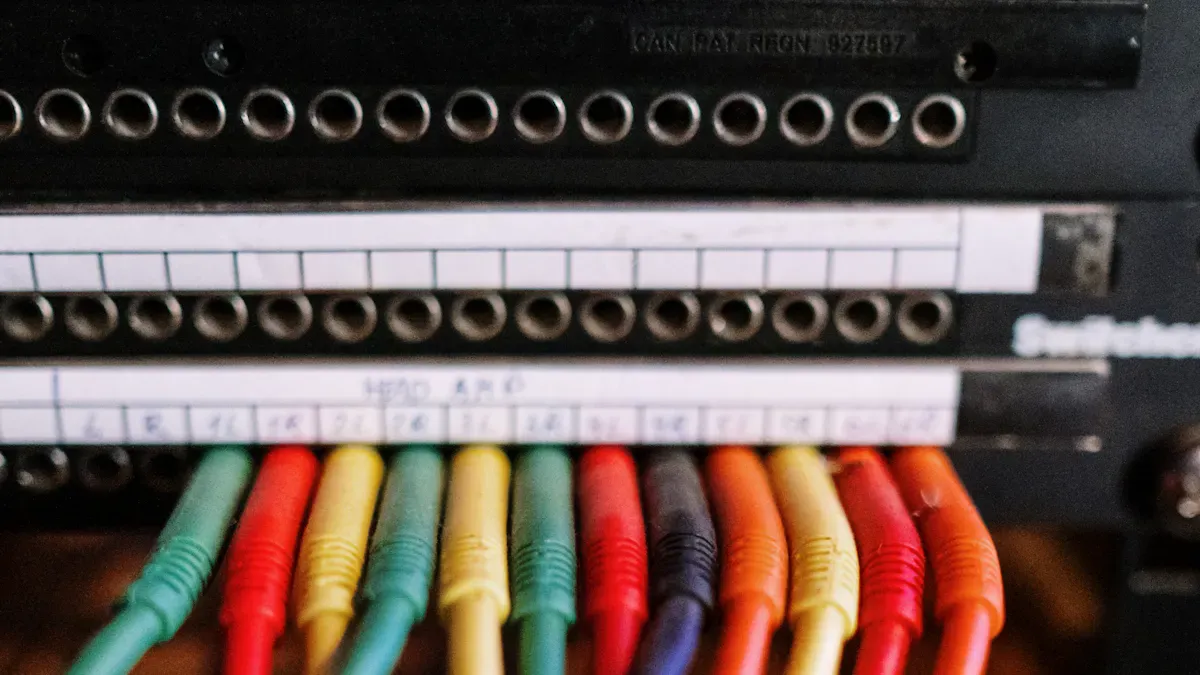
OFC 99.99% copper cables significantly enhance audio performance due to their high purity, making them an excellent choice for a pro audio cable. The superior conductivity of these high fidelity audio cables allows for efficient signal transmission, which is crucial for achieving optimal sound quality. Impurities in copper disrupt electron flow, increasing resistance and generating heat, which can lead to potential signal distortion.
In professional audio setups, the quality of the copper used plays a vital role. Higher purity ensures improved signal integrity and longevity of the cables. This makes OFC copper audio cables for stage performance ideal for demanding applications, as they provide a low noise OFC copper audio cable solution that meets the needs of high-end audio professionals. As a high purity copper audio cable manufacturer, we understand the importance of using the best materials to deliver exceptional audio experiences.
Key Takeaways
- OFC 99.99% copper cables provide superior sound quality due to their high purity, which enhances electrical conductivity.
- These cables minimize signal loss and distortion, ensuring clear audio reproduction in professional settings.
- OFC cables resist corrosion and oxidation, extending their lifespan and maintaining performance in challenging environments.
- Investing in OFC cables is cost-effective over time, as they require less maintenance and replacement compared to lower-quality options.
- Their flexibility and durability make OFC cables easy to install and reliable for frequent use in live audio situations.
Properties of OFC 99.99% Copper Cable
High Purity and Electrical Conductivity
OFC 99.99% copper cables stand out due to their exceptional purity, which significantly enhances electrical conductivity. High purity levels allow for efficient electron flow, minimizing resistance and heat generation. This results in clearer audio signals and improved overall performance.
The following table highlights key chemical properties of OFC 99.99% copper that contribute to its high electrical conductivity:
| Property | Contribution to Conductivity |
|---|---|
| High Purity Levels | Enhances electrical and thermal conductivity |
| Low Residual Oxygen Content | Maintains high conductivity levels |
| Ductility | Allows for better shaping without losing conductivity |
These properties ensure that OFC 99.99% copper cables deliver superior sound quality, making them ideal for professional audio applications.
Resistance to Corrosion and Oxidation
Corrosion and oxidation can severely impact the performance of audio cables. However, OFC 99.99% copper exhibits remarkable resistance to these environmental factors. High-purity copper, such as T2 oxygen-free copper, forms a conductive thin oxide layer that helps maintain stable connections. This protective layer prevents increased resistance and extends the lifespan of the cables.
Several environmental conditions can accelerate corrosion in audio cables, including:
- Moisture exposure
- High humidity levels
- Chemical pollutants in the air
While bare copper has some resistance, tinned copper offers superior protection in moist environments. This makes OFC 99.99% copper cables a reliable choice for audio professionals who require durability and longevity in their equipment.
Performance Advantages in Pro Audio

Enhanced Signal Transmission and Clarity
OFC 99.99% copper cables excel in signal transmission, providing clear and accurate audio reproduction. The high purity of these cables minimizes resistance, allowing for efficient electron flow. This efficiency is crucial in professional audio environments where clarity is paramount.
Key benefits of OFC 99.99% copper cables include:
- Low Resistance: The low resistance of OFC cables prevents signal loss over long distances. This ensures that audio quality remains consistent, even in large venues.
- Preserved Audio Integrity: These cables minimize signal distortion, which is essential for maintaining the original audio waveform. This preservation leads to cleaner sound reproduction, enhancing the listening experience.
- Smoother Conductive Path: The high purity of OFC provides a smoother conductive path, resulting in reduced interference and improved audio clarity.
In live audio environments, the construction of OFC cables plays a significant role in noise reduction. The cables’ design helps to maintain signal integrity, which is vital for delivering high-quality sound.
Noise Reduction and Interference Minimization
OFC 99.99% copper cables effectively minimize electromagnetic interference (EMI), a common challenge in professional audio setups. Their design incorporates features that enhance noise reduction, making them ideal for use in high-EMI environments.
The following aspects contribute to their effectiveness:
- High Conductivity: The high conductivity of OFC cables reduces oxidation and lowers electrical resistance. This characteristic helps maintain signal integrity, even in challenging conditions.
- Braided Copper Shields: These cables often feature braided copper shields that provide effective protection against EMI. Typically, these shields cover 85-95% of the cable, ensuring robust performance in various applications.
- Durability: The corrosion resistance of OFC cables ensures consistent performance over time. This durability is crucial for audio professionals who rely on their equipment in demanding situations.
By utilizing OFC 99.99% copper cables, audio professionals can achieve superior sound quality while minimizing unwanted noise and interference. This combination of enhanced signal transmission and effective noise reduction makes OFC cables a top choice for those seeking optimal audio performance.
Comparing OFC 99.99% Copper Cable to Other Materials
OFC vs. Copper-Clad Aluminum (CCA)
When comparing OFC 99.99% copper cables to Copper-Clad Aluminum (CCA) cables, several key differences emerge. CCA cables consist of a core of aluminum coated with a thin layer of copper. While this design reduces costs, it compromises performance in several areas:
- Electrical Conductivity: OFC 99.99% copper cables exhibit superior electrical conductivity compared to CCA. The following table illustrates the differences in conductivity:
| Material | Electrical Conductivity (IACS) |
|---|---|
| OFC 99.99% Copper | 100% |
| Copper-Clad Aluminum (CCA) | 62.9% |
-
Signal Transmission Quality: Tests show that OFC cables maintain signal integrity better than CCA cables. The higher conductivity of OFC allows for clearer audio reproduction, making it the preferred choice for professional audio applications.
-
Durability: CCA cables are more susceptible to breakage and corrosion than OFC cables. The aluminum core can weaken over time, especially in high-stress environments.
Durability and Longevity Benefits
Flexibility and Ease of Installation
OFC 99.99% copper cables offer remarkable flexibility, making them easy to install in various audio setups. Their design allows for smooth bending and routing, which is essential in tight spaces or complex configurations. This flexibility reduces the risk of damage during installation, ensuring that the cables maintain their integrity over time.
Audio professionals appreciate the lightweight nature of these cables, which simplifies handling and setup. The ability to maneuver cables without compromising performance is a significant advantage in live sound environments. Additionally, the robust construction of OFC cables ensures they can withstand the rigors of frequent use, further enhancing their appeal.
Long-Term Cost-Effectiveness
Investing in OFC 99.99% copper cables proves beneficial in the long run. Although the initial cost may be higher than other cable types, the advantages justify this expense. The superior conductivity of OFC cables leads to reduced signal loss, which is crucial for high-precision applications.
Furthermore, these cables exhibit excellent corrosion resistance and durability. This resilience translates to lower maintenance and replacement costs over time. Audio professionals can rely on OFC cables to perform consistently, minimizing the need for frequent replacements. The longevity of these cables makes them a wise investment, especially in environments where signal integrity is critical.
OFC 99.99% copper cables offer unmatched conductivity and durability, making them the preferred choice for professional audio applications. Their high purity minimizes resistance and enhances signal integrity, ensuring clear audio reproduction. Professional audio engineers recognize the reliability of these cables, noting their resistance to oxide formation at solder joints. This quality reduces long-term resistance changes and prevents failures, unlike non-OFC cables, which can show a significant increase in contact resistance over time.
For optimal sound quality and reliability, audio professionals should prioritize OFC cables in their setups. Investing in these cables guarantees superior performance and longevity, essential for both permanent installations and touring applications.
FAQ
What is the difference between OFC and regular copper cables?
OFC cables contain 99.99% pure copper, enhancing conductivity and reducing resistance. Regular copper cables often have impurities, which can lead to signal loss and distortion.
Are OFC cables worth the investment?
Yes, OFC cables provide superior sound quality, durability, and longevity. Their high performance justifies the initial cost, especially for professional audio applications.
How do I maintain OFC cables?
Keep OFC cables clean and dry. Avoid exposing them to extreme temperatures or moisture. Regularly inspect for wear and tear to ensure optimal performance.
Can I use OFC cables for home audio systems?
Absolutely! OFC cables enhance audio quality in home systems, providing clearer sound and reducing interference. They are an excellent choice for audiophiles seeking high fidelity.
What lengths are available for OFC cables?
OFC cables come in various lengths, typically ranging from a few feet to over 100 feet. Choose the length that best suits your audio setup needs.


