
Why Snake Cable is Preferred for Professional Recording Studios
Snake cable is the backbone of professional recording studio infrastructure, enabling clean signal routing across multiple audio channels from a single consolidated connection. Recording studios require reliable, low-noise signal transmission between microphones, preamps, mixing consoles, and audio interfaces. This article examines why snake cables have become the industry standard for professional audio installations and how selecting the right snake cable impacts studio performance.
What is a Snake Cable in Audio Recording?
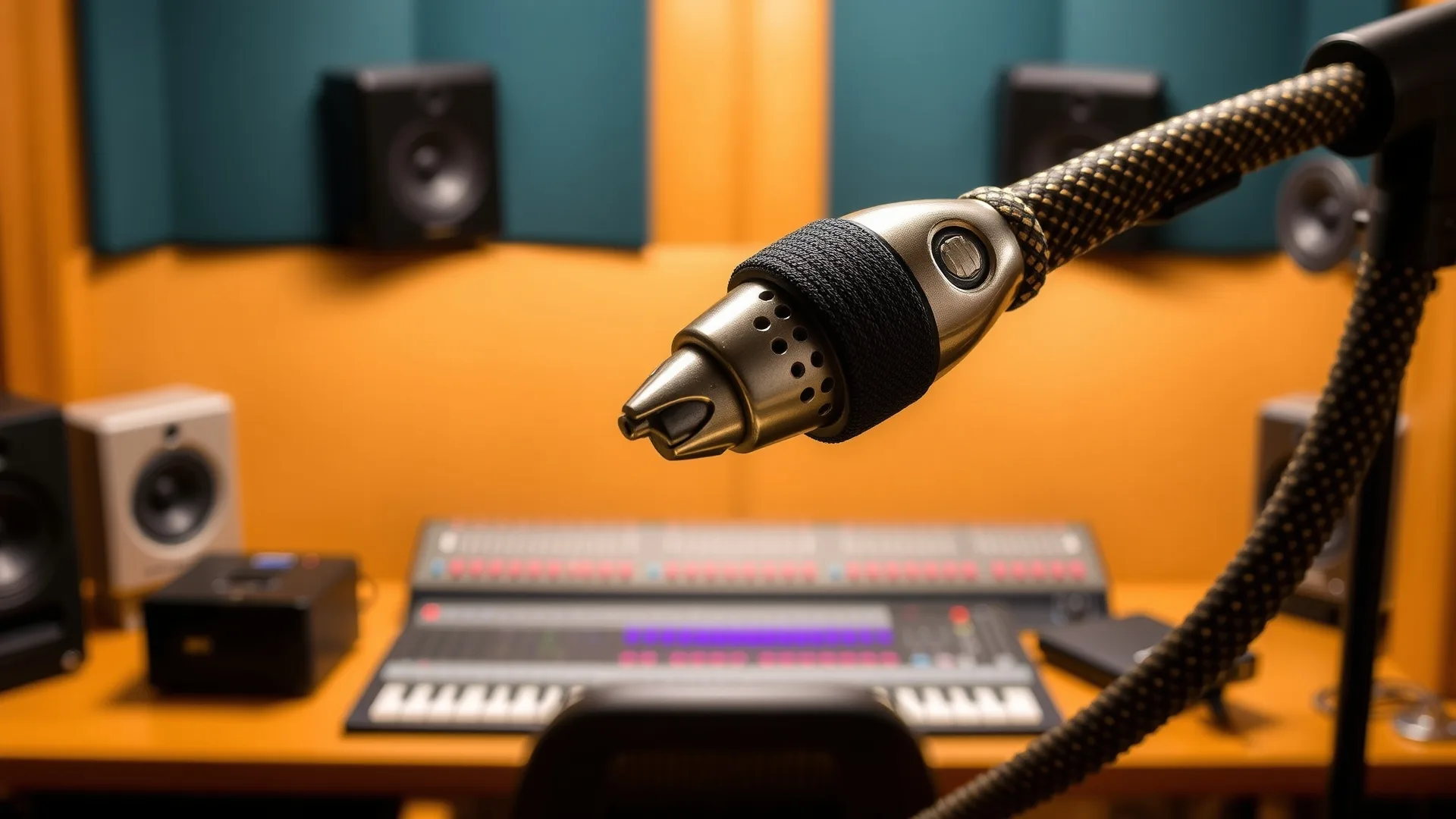
A snake cable is a multi-channel audio cable that combines multiple individual signal paths into a single protective sheath. Each snake cable contains multiple twisted pairs of conductors, typically ranging from 4 to 64 channels, with each pair serving as an independent balanced audio connection. The design reduces cable clutter by replacing dozens of separate XLR or TRS cables with one unified infrastructure. Shielded twisted-pair construction protects against electromagnetic interference, which is critical in studio environments with sensitive analog-to-digital converters.
Professional recording studios use snake cables to connect stage boxes, microphone preamplifiers, mixing consoles, and audio interfaces. The balanced configuration of each channel within a snake cable ensures that common-mode noise is rejected effectively. This technical approach maintains signal integrity over cable runs that may extend 50 feet or more within larger facilities. Studios implementing these systems should consider following search engine optimization best practices to ensure their technical documentation and product descriptions are discoverable online.
Key Advantages of Snake Cable for Recording Studios
Snake cables offer several distinct advantages that make them preferable to individual patch cables in professional recording environments:
- Reduced cable clutter and improved studio aesthetics
- Simplified troubleshooting when signal issues occur
- Consistent signal quality across all connected channels
- Lower installation and maintenance costs compared to individual cables
- Professional appearance that meets industry standards for recording facilities
These benefits directly address the operational needs of recording engineers who require reliable audio infrastructure. The consolidated design eliminates the confusion of managing hundreds of individual patch cables during complex recording sessions.
Signal Quality and Noise Reduction
The balanced transmission design of snake cables provides superior noise rejection compared to unbalanced connections. Each audio channel within a snake cable uses two conductors carrying equal but opposite signals, with the receiving equipment amplifying only the difference between them. This configuration cancels out electromagnetic interference that affects both conductors equally. Professional recording studios generate significant electromagnetic fields from power supplies, lighting dimmers, and digital equipment, making this noise rejection essential for clean recordings.
The shielded construction of quality snake cables adds an additional layer of protection against radio frequency interference. Manufacturers typically use foil shielding or braided copper shields around each channel pair. Premium snake cables used in professional studios feature individually shielded channel pairs, providing maximum protection for low-level microphone signals that are most vulnerable to noise contamination.
Cable Management and Organization Benefits
Effective cable management impacts studio workflow and equipment longevity. Snake cables dramatically simplify the process of routing audio signals throughout a recording facility. Rather than tracing individual cables through complex routing paths, engineers can identify and address issues within the consolidated snake infrastructure quickly. This organization becomes particularly valuable during session setup and teardown when time constraints are significant.
Flat cables offer an alternative routing option for studios with space constraints, allowing cables to run under carpets or through narrow pathways without signal degradation. Recording studios can benefit from combining traditional round snake cables for main infrastructure with flat cable solutions for specific installation challenges. For extended network runs, consider implementing a Network Cable Extender to maintain signal integrity across longer distances.
Durability and Professional Performance
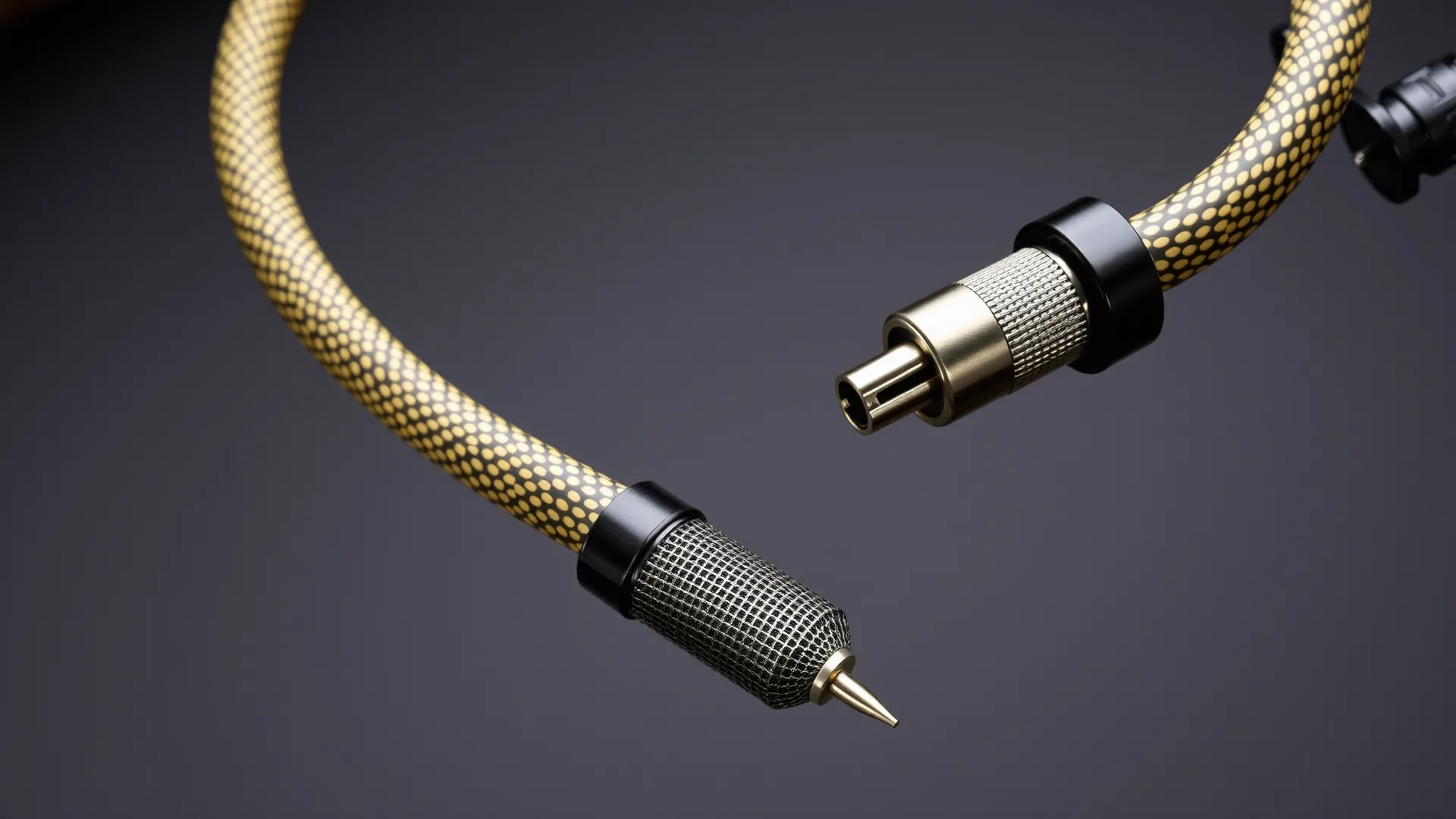
Quality snake cables are constructed for demanding professional use, featuring robust outer jackets that withstand repeated setup and teardown cycles. The consolidated construction distributes mechanical stress across the entire cable assembly rather than concentrating it on individual conductors. This design approach extends service life significantly compared to loose collections of individual patch cables that are more prone to connector failures and conductor breakage.
Professional studios benefit from the consistent performance characteristics of standardized snake cable infrastructure. Each channel within a properly manufactured snake cable exhibits matched impedance, capacitance, and shielding effectiveness. This consistency ensures predictable signal transmission behavior across all input and output channels, which is essential for accurate mixing and mastering decisions.
Cost-Effectiveness for Studio Installations
The initial investment in quality snake cable infrastructure pays dividends over the operational lifetime of a recording studio. Individual cables require replacement more frequently due to connector wear and conductor fatigue. Consolidated snake cables distribute these costs across many channels simultaneously, reducing per-channel expenses significantly. Studios can reference ISO standards for commercial electrical installations when planning cable infrastructure to ensure compliance with relevant safety and performance requirements.
Labor costs for cable maintenance and troubleshooting decrease substantially when using organized snake cable systems. Engineers spend less time identifying and replacing failed cables during critical recording sessions. This reliability translates directly to improved studio utilization and reduced operational costs over time.
Applications of Different Cable Types in Studios
Professional recording studios utilize various cable types for specific applications within their signal chains. Understanding the appropriate use cases helps engineers select the right cables for each situation:
- Snake cables: Main infrastructure for multi-channel routing between rooms and equipment
- Microphone cables: Short runs from microphones to microphone preamplifiers
- Instrument cables: Connections from electric guitars and basses to DI boxes or amplifiers
- Ethernet cables: Digital audio networking and control signal transmission
- DMX cables: Lighting control in studio environments
Each cable type serves specific functional requirements within the broader studio ecosystem. Integrating network infrastructure properly is essential for modern studios that combine traditional analog signal chains with digital audio networking protocols. Studios should also consider cybersecurity implications for connected audio systems, following guidelines from organizations like the National Institute of Standards and Technology to protect sensitive audio data.
Choosing the Right Snake Cable for Your Studio
Selecting appropriate snake cables requires evaluating several technical specifications relative to studio requirements. Channel count should accommodate current needs while providing reasonable expansion capacity. Cable length must reach all required connection points without excessive slack that creates management challenges. Connector types on both ends must match existing equipment or planned equipment upgrades.
- Determine total channel requirements for current and foreseeable future needs
- Measure maximum cable run distances between connection points
- Verify connector compatibility with studio equipment
- Assess shielding requirements based on electromagnetic environment
- Evaluate jacket materials for planned installation conditions
Quality snake cables from reputable manufacturers provide consistent performance specifications that meet professional studio requirements. Investing in well-constructed cables protects equipment and ensures reliable operation throughout the studio’s operational life.
Snake Cable Feature Comparison
| Feature | Entry-Level | Professional | Broadcast Grade |
|---|---|---|---|
| Channel Count | 4-8 channels | 8-24 channels | 24-64 channels |
| Shielding | Foil overall | Foil + braid per pair | Individual pair shielding |
| Cable Gauge | 24 AWG | 22-24 AWG | 20-22 AWG |
| Typical Length | 25-50 feet | 50-100 feet | Up to 200 feet |
| Connector Quality | Basic XLR | Neutrik-style | Gold-plated premium |
FAQ: Common Questions About Snake Cables for Studios
What is the maximum cable length for snake cables without signal degradation?
Balanced snake cables can reliably transmit audio signals up to 300-400 feet before noticeable loss occurs. For longer runs, using line drivers or digital audio converters maintains signal quality effectively.
Can snake cables be used for both recording and live sound applications?
Yes, snake cables serve both environments. Studio applications typically prioritize noise rejection and signal quality, while live sound applications emphasize durability and handling ease. Many professional cables perform well in both scenarios.
How should snake cables be maintained for longevity?
Store snake cables coiled properly using over-under technique to prevent kinking. Inspect connectors periodically for bent pins or loose housings. Clean connector contacts with appropriate contact cleaner to maintain reliable connections.
Are wireless alternatives a viable replacement for snake cables in studios?
Wireless systems offer convenience but introduce latency, potential interference, and battery management concerns that make them unsuitable for critical studio recording applications where timing precision matters.
What channel count is recommended for a small recording studio?
A minimum of 8-16 channels accommodates most small studio requirements. Studios planning to record larger ensembles or multi-room configurations should consider 24-32 channel systems for adequate flexibility.
Conclusion
Snake cable infrastructure represents a fundamental investment in professional recording studio capability. The consolidated design provides superior signal quality through balanced transmission, simplifies cable management dramatically, and offers long-term cost advantages over individual patch cable solutions. Recording engineers who prioritize reliability, sound quality, and operational efficiency recognize snake cables as essential studio components. Selecting quality snake cables that meet professional specifications ensures decades of reliable service in demanding studio environments.


