
Core Insight: Microphone Maintenance Directly Impacts Signal Integrity and Lifespan
Professional microphone maintenance is a technical process that preserves acoustic accuracy, reduces noise artifacts, and extends operational lifespan. According to the Audio Engineering Society, contamination on microphone diaphragms can reduce sensitivity by up to 3 dB and increase distortion under high sound pressure levels. Key conclusions include:
- Regular cleaning prevents frequency response degradation.
- Controlled storage environments reduce corrosion and capsule failure.
- Maintenance frequency should match usage intensity and environmental exposure.
These principles position cleaning and storage as essential components of audio system reliability rather than optional practices.
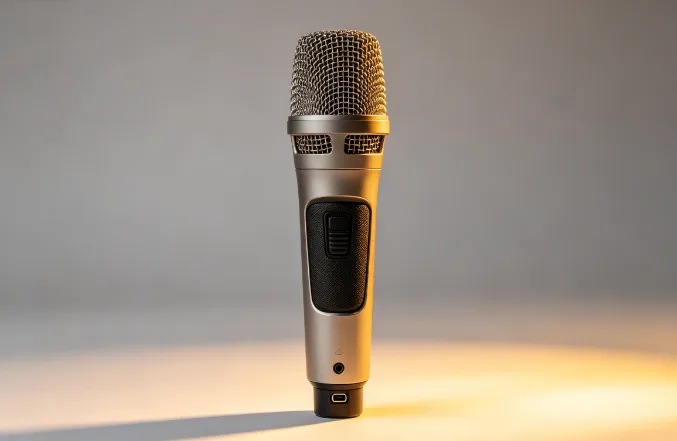
Microphone Contamination Sources and Performance Impact
Microphones accumulate contaminants from multiple sources, including moisture, dust, skin oils, and airborne particles. Each contaminant type affects acoustic performance differently. The National Institute of Standards and Technology highlights that particulate buildup alters sensor response in precision instruments, including audio transducers.
| Contaminant Type | Source | Impact on Microphone Performance |
|---|---|---|
| Moisture | Breath, humidity | Capsule corrosion, noise |
| Dust | Environment | Reduced sensitivity |
| Oils | Handling | Surface degradation |
| Smoke Residue | Stage environments | Frequency response alteration |
Using protective accessories such as professional microphone windshields reduces exposure to contaminants during operation.
Step-by-Step Microphone Cleaning Process for Professional Use
Microphone cleaning requires precision to avoid damaging sensitive components such as diaphragms and internal circuitry. The Occupational Safety and Health Administration recommends non-corrosive cleaning agents for electronic equipment maintenance.
Cleaning Workflow
- Power off and disconnect the microphone from all systems
- Remove detachable components such as grilles or windscreens
- Use a dry, soft brush to remove loose dust
- Apply isopropyl alcohol (70%) to clean metal surfaces only
- Allow complete air drying before reassembly
Devices such as studio condenser microphones require additional care due to sensitive capsules.
Cleaning Frequency Guidelines Based on Usage Environment
Cleaning frequency should be determined by environmental exposure and usage intensity. High-humidity or high-traffic environments require more frequent maintenance.
| Usage Scenario | Recommended Cleaning Interval |
|---|---|
| Studio Recording | Every 2–4 weeks |
| Live Performance | Weekly |
| Outdoor Events | After each use |
| Broadcast Facilities | Bi-weekly |
The Centers for Disease Control and Prevention also emphasizes hygiene practices for shared equipment, especially in multi-user environments. Using wireless handheld microphones in shared settings requires stricter sanitation protocols.
Microphone Storage Conditions: Temperature, Humidity, and Protection
Proper storage conditions prevent long-term degradation. Microphones should be stored in environments with controlled temperature (15–25°C) and humidity (40–60% RH). The National Oceanic and Atmospheric Administration provides environmental benchmarks for humidity control relevant to sensitive equipment.
Storage Requirements
- Use sealed protective cases with desiccant packs
- Avoid direct sunlight exposure
- Maintain stable temperature without fluctuations
- Store microphones upright when possible
Storage solutions such as microphone storage cases help maintain stable environmental conditions.
Handling Practices to Prevent Mechanical and Acoustic Damage
Handling practices influence both mechanical durability and acoustic consistency. Dropping or improper mounting can misalign internal components, especially in condenser microphones.
The Massachusetts Institute of Technology notes that precision instruments require controlled handling to maintain calibration accuracy.
Best practices include:
- Use shock mounts to isolate vibrations
- Avoid touching the microphone grille directly
- Disconnect cables by holding connectors, not cables
- Transport equipment in padded cases
Accessories such as microphone shock mounts reduce vibration-related damage.
Comparative Analysis: Dynamic vs Condenser Microphone Maintenance Needs
Different microphone types require different maintenance strategies due to structural differences.
| Feature | Dynamic Microphone | Condenser Microphone |
|---|---|---|
| Sensitivity | Lower | Higher |
| Cleaning Complexity | Low | High |
| Moisture Sensitivity | Low | High |
| Maintenance Frequency | Moderate | Frequent |
Dynamic microphones tolerate rough handling and environmental exposure better. Condenser microphones require controlled cleaning and storage due to sensitive diaphragms. High-end professional condenser microphones benefit significantly from strict maintenance routines.
Long-Term Storage Strategies for Professional Microphones
Long-term storage introduces risks such as oxidation, diaphragm tension loss, and electronic degradation. Preventive measures reduce these risks.
Long-Term Storage Checklist
- Remove batteries from wireless microphones
- Store in airtight containers with silica gel
- Periodically inspect for corrosion or mold
- Avoid stacking heavy objects on equipment
The Smithsonian Institution emphasizes controlled storage for preserving sensitive instruments, including audio equipment.
Key Takeaways: Maintaining Peak Microphone Performance
Maintaining professional microphones requires a structured approach combining cleaning, storage, and handling:
- Clean microphones regularly using non-corrosive methods
- Store microphones in controlled temperature and humidity conditions
- Use protective accessories to reduce contamination and mechanical stress
- Adjust maintenance frequency based on usage environment
Consistent adherence to these practices ensures stable audio performance and extended equipment lifespan.
FAQ: Professional Microphone Cleaning and Storage
1. Can water be used to clean a microphone grille?
Water is not recommended for cleaning microphone grilles due to corrosion risk. Isopropyl alcohol is preferred because it evaporates quickly and reduces residue. Always ensure components are fully dry before reassembly to prevent internal damage.
2. What happens if a condenser microphone gets moisture inside?
Moisture can cause diaphragm sticking, electrical short circuits, and noise artifacts. Immediate drying in a low-humidity environment is required. Long-term exposure may permanently damage the capsule and require professional servicing.
3. Are disinfectant wipes safe for microphones?
Most disinfectant wipes contain chemicals that can degrade materials or leave residue. Only alcohol-based solutions with controlled application are suitable. Avoid direct application to sensitive components such as capsules.
4. How should microphones be transported for live events?
Microphones should be transported in padded, shock-resistant cases with compartments to prevent movement. Cable disconnection and protective covers reduce mechanical stress during transport.
5. Do wireless microphones require different maintenance than wired models?
Wireless microphones require additional maintenance, including battery compartment cleaning and transmitter inspection. Signal integrity depends on both acoustic and electronic components, making maintenance more complex than wired systems.


