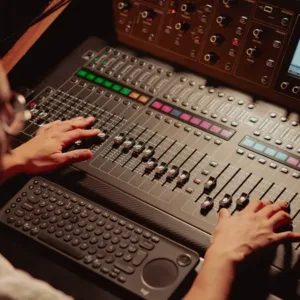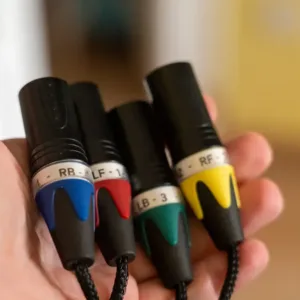
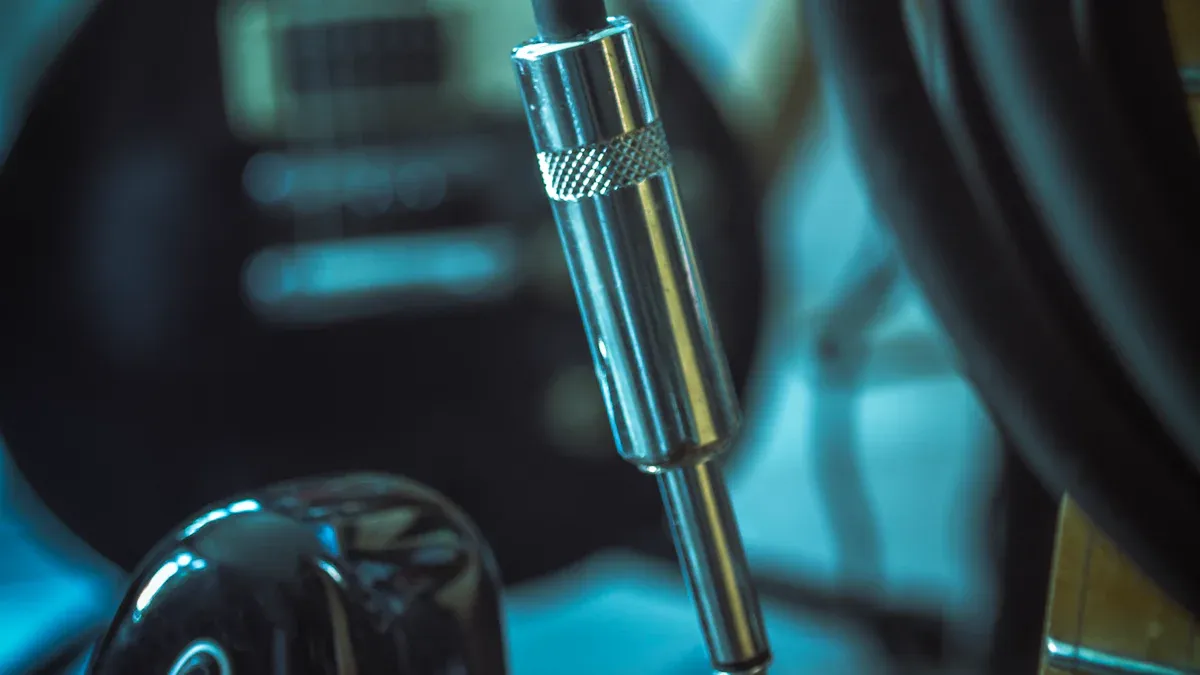
Instrument cables and microphone cables serve distinct purposes in audio setups. An instrument cable transmits signals from electric instruments, such as guitars, while a microphone cable, often a balanced audio cable, carries audio signals from microphones. The low noise microphone cable structure is crucial for maintaining sound quality. Additionally, using an oxygen free copper mic cable enhances conductivity, reducing signal loss. Understanding these differences helps users select the right cable for their needs, especially when considering how long can a mic cable be without signal loss. For optimal performance, a shielded audio cable is also recommended to minimize interference.
Key Takeaways
- Instrument cables are designed for electric instruments, while microphone cables are tailored for microphones. Choose the right cable based on your equipment.
- Microphone cables use balanced connections to reduce noise, making them ideal for longer runs. Opt for high-quality cables to maintain sound clarity.
- Understanding cable construction is key. Instrument cables are simpler and more durable, while microphone cables have complex designs for better audio transmission.
- Impedance levels matter. Microphone cables typically operate at lower impedance, which helps in noise rejection and clearer sound.
- Always consider cable length. Longer cables can lead to signal loss and interference, so keep them as short as possible for the best audio quality.
Structural Differences
Cable Construction
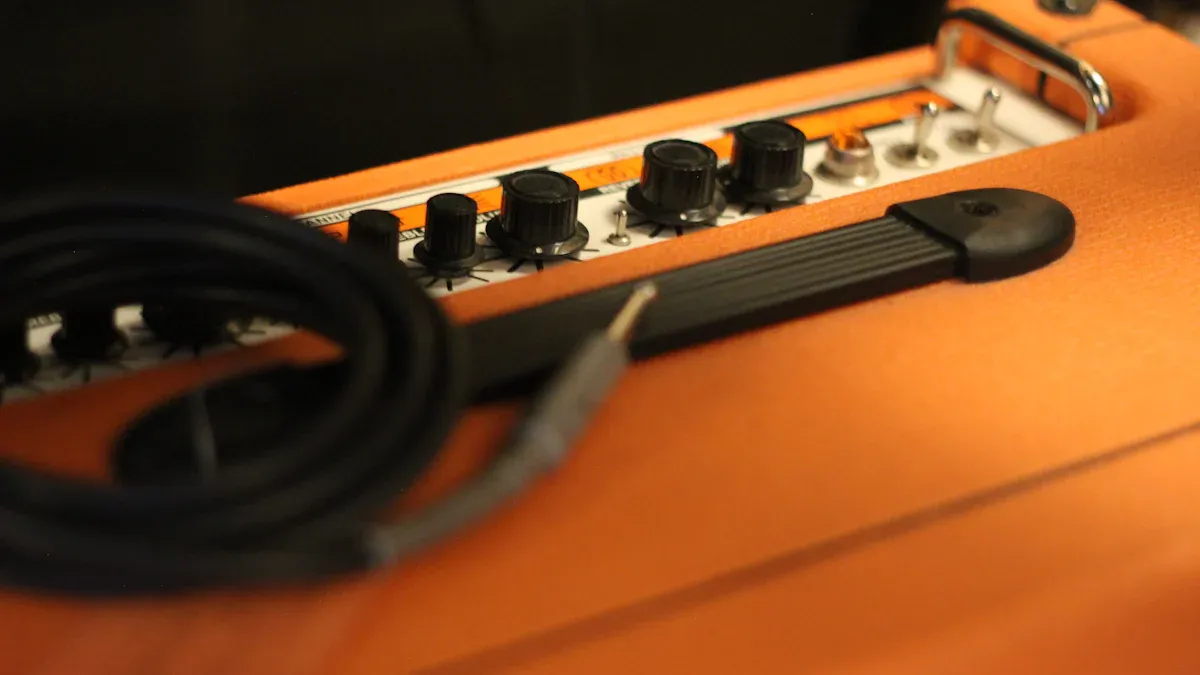
The construction of instrument cables and microphone cables differs significantly due to their intended applications. Instrument cables typically feature a simpler design, focusing on flexibility and durability. They often have a single conductor surrounded by a shield, which protects against interference. In contrast, microphone cables utilize a more complex construction. They usually contain two conductors and a shield, allowing for balanced audio transmission. This design minimizes noise and ensures high-quality sound reproduction.
Materials Used
The materials used in these cables play a crucial role in their performance.
-
Conductor:
- Instrument cables primarily use copper, with high-quality options employing oxygen-free copper (OFC). This choice enhances signal quality due to lower resistance.
- Microphone cables also use copper but often prioritize insulation and shielding to reduce noise interference.
-
Insulation:
- Instrument cables typically feature coaxial insulation, which prevents shorting and minimizes noise.
- Microphone cables require additional shielding to protect against electromagnetic interference, ensuring clear audio signals.
| Component | Material |
|---|---|
| Conductor | 99.99% Oxygen Free Copper |
| Insulation | Polyethylene |
The choice of materials affects both the durability and flexibility of the cables. Instrument cables are designed for live performances, requiring robust construction to withstand frequent handling. They often have thicker outer jackets and high-quality connectors for added durability. Microphone cables, while also durable, focus more on flexibility and noise reduction.
Connector Types
Connector types significantly impact the functionality and reliability of instrument and microphone cables.
| Connector Type | Description | Usage |
|---|---|---|
| XLR | Backbone of professional audio, used for microphones and lighting. | Microphones, DMX, Active Speakers |
| 3.5mm Stereo (TRS) | Heavy-duty jacks for noise-free transmission. | Instruments, Studio Gear |
| 6.35mm Mono (TS) | Commonly known as 1/4 Inch Jack, ideal for guitars and keyboards. | Guitars, Keyboards, Patch Bays |
Instrument cables typically use 6.35mm mono connectors, which are suitable for unbalanced connections. These connectors provide lower noise resistance compared to XLR connectors used in microphone cables. XLR connectors offer balanced connections, making them ideal for professional audio applications.
| Connector Type | Signal Type | Noise Resistance | Use Case |
|---|---|---|---|
| XLR | Balanced | High | Professional audio applications |
| Instrument | Unbalanced | Low | General instrument connections |
Understanding these structural differences helps users select the appropriate cable for their specific audio needs.
Signal Differences
Impedance Levels
Impedance plays a critical role in audio signal transmission. It affects how well a cable can carry a signal without losing quality. The typical impedance levels for instrument cables and microphone cables differ significantly.
| Cable Type | Impedance Level |
|---|---|
| Low-level Balanced Microphone | 600Ω or less |
| Unbalanced Instrument Level | High source impedance |
Instrument cables generally have a high source impedance, which can lead to signal loss if not managed properly. In contrast, low-level balanced microphones operate at 600Ω or less, allowing for better noise rejection and clearer audio.
Impedance, along with capacitance and cable length, significantly affects signal loss and noise in instrument cables. Lower capacitance results in less signal loss and better sound fidelity, which is crucial for musicians. Longer cable lengths increase capacitance, leading to dampened higher frequencies and poorer sound quality. Industry standards suggest that using high-quality materials and shorter cable lengths can enhance audio fidelity.
Shielding Techniques
Shielding techniques are essential for preventing electromagnetic interference (EMI) and radio frequency interference (RFI) in audio cables. Different shielding methods provide varying levels of protection and flexibility.
| Shielding Type | Description | Advantages | Disadvantages |
|---|---|---|---|
| Foil Shielding | A thin layer of metallic foil providing 100% coverage. | Excellent for high-frequency interference. | Poor mechanical strength; not for flexing. |
| Braided Shielding | Interwoven mesh of conductive wires, typically copper. | Superior mechanical strength and flexibility. | Limited coverage (70%-95%); less effective at high frequencies. |
| Spiral Shielding | Conductive wires wrapped helically around the core. | Excellent flexibility; up to 95% coverage. | Primarily effective at low frequencies. |
Microphone cables often utilize XLR connectors, which protect audio signals from EMI and RFI through effective shielding. They employ high-quality materials like braided copper or aluminum foil to filter out noise. Balanced connections in XLR cables help counteract common-mode noise, leading to cleaner audio.
| Shielding Type | Effectiveness | Flexibility |
|---|---|---|
| Braided | Best | Less |
| Spiral | Moderate | More |
| Foil | Least | N/A |
Using smaller conductors can reduce electromagnetic interference by approximately 20dB, minimizing the ‘loop area’. This reduction is particularly beneficial in ensuring that cables do not pick up unwanted noise from surrounding electrical equipment, thus enhancing signal integrity.
Signal Quality and Integrity
Signal quality and integrity are paramount in audio applications. Several factors influence these aspects in both instrument and microphone cables.
- Cable Length: Longer cables can lead to attenuation and distortion, affecting sound clarity.
- Capacitance: High capacitance can cause signal degradation, especially at high frequencies.
- Noise and Interference: Increased cable length can lead to more electromagnetic and radio frequency interference, impacting audio quality.
- Signal Integrity: Diminishes with longer cables due to attenuation and noise.
- Resistance: Higher resistance in longer cables can lead to voltage drops and signal loss.
- Maintenance: Poor maintenance can lead to cable failures and signal issues.
- Latency: Longer runs can introduce delays, affecting audio synchronization.
- Phase Shift: Longer cables can cause phase cancellation effects, impacting frequency response.
Choosing the right cable type is crucial for maintaining high signal quality and integrity. Musicians and audio engineers must consider these factors to ensure optimal performance in their setups.
Usage Scenarios
When to Use Instrument Cables
Instrument cables are ideal for connecting electric instruments, such as guitars and keyboards, to amplifiers or effects pedals. They excel in live performance settings due to their robust construction. Here are some recommended features based on the environment:
| Environment | Recommended Features |
|---|---|
| Live | Robust construction, low-profile sheathing, tough shielding |
| Studio | Short length, high quality, braided shielding |
For electric guitars, using TS cables is advisable. Keeping lengths short minimizes noise interference. Keyboards benefit from TRS cables for balanced sound, with lengths of 15-25 feet being optimal.
When to Use Microphone Cables
Microphone cables are essential for connecting microphones to mixers or audio interfaces. They are particularly effective in high-noise environments. Here are some scenarios where microphone cables shine:
- Professional Recording Studios: XLR cables connect microphones to preamps and mixers, ensuring high-quality audio.
- Live Sound Applications: They link microphones to PA systems, providing clear audio for performances.
- Broadcasting: XLR cables are crucial for delivering clear audio in radio and television settings.
Microphone cables utilize balanced connections, which help cancel out noise. This feature makes them suitable for longer runs without compromising sound quality.
Common Misconceptions
Many misconceptions surround the use of instrument and microphone cables. One prevalent belief is that high-end cables significantly enhance instrument performance. However, the reality is that while good cables contribute to a cleaner signal, they do not replace the importance of instrument quality and technique.
"If you haven’t nailed every other aspect of your setup—recording technique, instrument quality, room acoustics—good cables matter, but they’re not the magic ingredient to better sound."
Another misconception is that all cables perform equally well. In truth, higher-quality cables can improve sound clarity and reduce interference. Using old, copper cables may lead to muffled sound, while switching to higher-quality options can result in a noticeable improvement.
Understanding these usage scenarios and misconceptions helps musicians and audio professionals make informed decisions about their equipment.
In summary, instrument cables and microphone cables differ significantly in structure and signal transmission. Instrument cables are unbalanced and high-impedance, while microphone cables are balanced and low-impedance. This distinction affects performance, as shown in the table below:
| Feature | Instrument Cables | Microphone Cables |
|---|---|---|
| Design | Unbalanced, high-impedance | Balanced, low-impedance |
| Shielding | Typically less shielding | Optimized for noise rejection |
| Signal Type | Designed for electric guitars and basses | Used for dynamic and condenser microphones |
| Capacitance | Low capacitance for high-frequency clarity | Not specified, but designed for integrity |
Choosing the correct cable type is crucial for achieving optimal audio clarity and performance. High-quality cables can reduce signal loss by up to 30%. Readers should carefully consider their equipment and specific usage scenarios when selecting cables to ensure the best sound quality.
FAQ
What is the main difference between instrument cables and microphone cables?
Instrument cables transmit signals from electric instruments, while microphone cables carry audio signals from microphones. The key difference lies in their construction and impedance levels, affecting their performance in audio setups.
Can I use an instrument cable for a microphone?
Using an instrument cable for a microphone is not recommended. Instrument cables are unbalanced and can introduce noise, while microphone cables are balanced, providing better sound quality and noise rejection.
How long can I use a microphone cable without signal loss?
Microphone cables can typically run up to 100 feet without significant signal loss. However, longer lengths may introduce noise and reduce audio quality. Always choose high-quality cables for longer runs.
Do I need special cables for live performances?
Yes, using high-quality instrument and microphone cables is crucial for live performances. They ensure durability and minimize interference, providing clear sound and reliable connections during shows.
How can I tell if my cable is damaged?
Inspect cables for visible wear, fraying, or bent connectors. If sound quality deteriorates or intermittent signals occur, the cable may be damaged. Testing with a multimeter can also help identify issues.