Instrument cables and microphone cables serve distinct purposes in audio signal transmission. The TS instrument cable structure typically features unbalanced wiring, which makes it more susceptible to noise interference in instrument cables. In contrast, a microphone cable often utilizes balanced connections, such as XLR connectors, to effectively minimize noise and interference. This difference significantly impacts sound clarity and performance. Audio professionals frequently choose XLR cables for their robust design, especially in live settings, to ensure high-quality audio signal transmission. Selecting the appropriate cable type, whether it be a balanced or unbalanced instrument cable, is essential for achieving optimal audio quality.
Key Takeaways
- Instrument cables transmit unbalanced signals, making them more prone to noise interference, especially over long distances.
- Microphone cables use balanced connections, like XLR, to minimize noise and maintain audio quality, ideal for professional settings.
- Choosing the right cable type is crucial for achieving optimal sound quality; consider cable length, connector type, and shielding.
- Instrument cables are best for short runs in studios, while microphone cables excel in live performances and long cable runs.
- Avoid using instrument cables for microphones; they lack the necessary shielding for low-level signals, leading to distortion.
Structural Differences
Cable Construction
The construction of instrument cables and microphone cables varies significantly. Instrument cables typically feature a coaxial design with a single conductor surrounded by insulation. This design allows for flexibility but can lead to signal degradation over longer distances. In contrast, microphone cables utilize a balanced design with three conductors: two for the audio signal and one for grounding. This arrangement minimizes noise interference, which is crucial for maintaining audio quality.
| Cable Type | Insulation Materials | Diameter Comparison |
|---|---|---|
| Microphone Cables | Low-loss materials like polyethylene and polypropylene | Approximately 1/4-inch diameter |
| Instrument Cables | Coaxial-type with thicker insulation | Generally thicker than microphone cables |
Shielding Techniques
Shielding plays a vital role in protecting audio signals from electromagnetic interference (EMI). Instrument cables often employ three types of shielding: braided, serve, and foil. Each type has its advantages and disadvantages:
- Braided Shielding: High durability, excellent RF shielding, low transfer impedance.
- Serve Shielding: More flexible, cost-effective, less effective at high frequencies due to inductance.
- Foil Shielding: 100% coverage, less flexible, high transfer impedance.
Microphone cables, on the other hand, typically use braided shielding, which offers robust protection against interference. This durability is essential for live performances where signal integrity is paramount.
| Shielding Method | Effectiveness Against EMI | Advantages | Disadvantages |
|---|---|---|---|
| Aluminium Foil | High | Excellent for RF shielding | Can tear with handling |
| Multi-layered Braided | Very High | Durable, good for high RF pollution | Expensive |
| Single Braided | Moderate | Flexible, resistant to damage | Less effective than multi-layered |
| Foil Shield | Low | Lightweight | Poor durability under stress |
| Single Lap Shield | Low | Cost-effective | Unsuitable for high-performance audio |
| Double Lapped Shield | Moderate | Better than single lap | Still inferior to good braid |
Connector Types
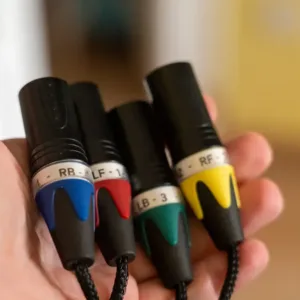
Connector types also differ between instrument cables and microphone cables. Instrument cables commonly use unbalanced TS connectors, which are more prone to noise, especially over longer distances. In contrast, microphone cables utilize balanced XLR connectors that help cancel out interference, maintaining better signal integrity over longer runs.
| Connector Type | Advantages |
|---|---|
| XLR | High-quality, robust design, gold-plated pins for enhanced conductivity and corrosion resistance. |
| 6.35mm Jack | Noise-free transmission, available in various configurations (TRS and TS), widely used for instruments like guitars and keyboards. |
The robust design of XLR connectors includes a latch mechanism for secure connections. This design ensures high-quality audio transmission, minimizing noise and interference.
Signal Differences
Signal Type
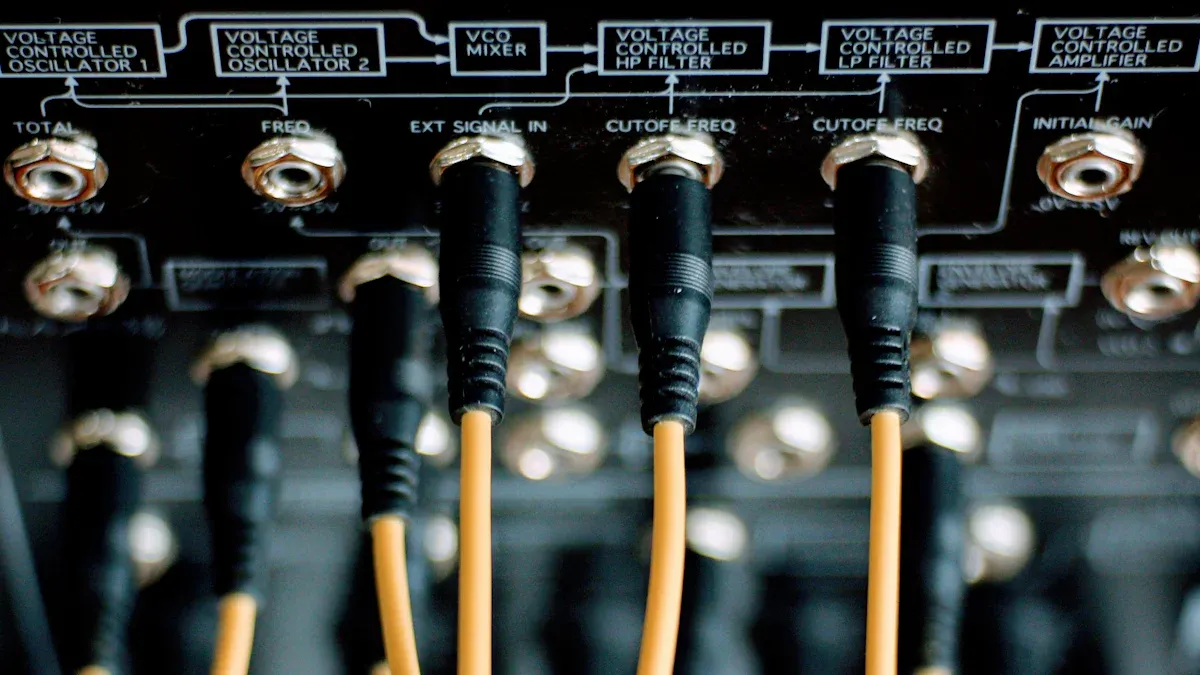
The type of signal transmitted through instrument cables differs from that of microphone cables. Instrument cables primarily handle unbalanced signals, which makes them suitable for short runs. However, they are more susceptible to interference, especially in environments with high electromagnetic activity. In contrast, microphone cables are designed for balanced signals, which utilize differential signaling. This design minimizes noise and allows for longer cable runs without significant signal degradation.
| Cable Type | Signal Type | Characteristics |
|---|---|---|
| Instrument Cables | Unbalanced | Best for short runs, susceptible to interference, commonly used in home studios. |
| Balanced | Use differential signaling, ideal for long runs, essential in live sound setups. | |
| Microphone Cables | Balanced | Designed to minimize noise, suitable for professional audio environments. |
Impedance Levels
Impedance levels also vary significantly between instrument cables and microphone cables. Instrument cables typically have a higher impedance, around 44K ohms, while microphone cables usually have an impedance of approximately 600 ohms. This difference impacts performance in various ways.
| Cable Type | Impedance Level |
|---|---|
| Microphone Cables | ~600 ohms |
| Instrument Cables | ~44K ohms |
When connecting devices with mismatched impedance, several issues can arise. For instance, at low frequencies, impedance mismatch may not significantly affect signal transmission. However, as frequency increases, reflections from impedance mismatches can lead to signal loss and distortion. Instrument cables, with their higher impedance, are more prone to distortion from such mismatches. Microphone cables, while designed to mitigate some effects of impedance mismatch through better shielding, can still experience degradation if not matched properly.
Noise Handling
Noise handling capabilities differ greatly between instrument cables and microphone cables. Instrument cables, being unbalanced, are more vulnerable to low-level interference, particularly over longer distances (greater than 25 feet). This susceptibility can lead to unwanted noise in the audio signal.
On the other hand, microphone cables are engineered with larger copper conductors and enhanced shielding, which significantly reduces their susceptibility to noise. Both types of cables often utilize braided shielding, providing substantial protection against external noise interference.
- Instrument cables are more prone to interference due to their unbalanced nature.
- Microphone cables feature better shielding, making them ideal for professional audio applications.
- The design of microphone cables helps maintain signal integrity, especially in live settings.
By understanding these signal differences, audio professionals can make informed decisions about which cable type to use for specific applications, ensuring optimal audio performance.
Usage Scenarios
When to Use Instrument Cables
Instrument cables are ideal for various scenarios, particularly in music studios and live events. Here are some recommended uses:
- Music studios for tracking instruments and vocals.
- Live events for stage signal routing.
- Environments requiring high fidelity and low noise.
In live performances, instrument cables should feature robust constructions and low-profile sheathing. Flexibility is crucial in these settings to allow ease of movement and prevent coiling. In studio environments, shorter cables with high-quality materials and braided shielding are preferred to ensure optimal sound quality during recording.
When to Use Microphone Cables
Microphone cables excel in professional audio setups. They are essential for connecting microphones to audio interfaces and mixing boards in recording studios. Here are some common applications:
- Live performances to ensure high-quality audio transmission.
- Recording studios for capturing vocals and instruments.
- Long cable runs where noise reduction is critical.
Over 70% of audio professionals prefer XLR cables for live sound environments. These cables provide balanced audio signals, which significantly reduce interference and noise. Microphones typically require balanced cables to maintain a noise-free signal, especially over longer distances.
Common Misconceptions
Many misunderstandings exist regarding the interchangeability of instrument cables and microphone cables. Here are some key points to consider:
- Instrument cables and microphone cables are not interchangeable due to their different designs and functions.
- Instrument cables consist of a wire and a shield, while microphone cables are designed for low-level signals and have distinct shielding requirements.
- Using an instrument cable in place of a microphone cable can lead to noise and distortion due to inadequate shielding for low-level signals.
These misconceptions can negatively impact audio quality and equipment longevity. Users may not invest in appropriate cables, affecting performance and sound clarity. Understanding the differences in materials and design is crucial for achieving the best audio results.
In summary, instrument cables and microphone cables differ significantly in structure and signal handling. Instrument cables typically feature unbalanced designs, making them more susceptible to noise. Microphone cables, with their balanced connections, excel in minimizing interference, especially over longer distances.
Selecting the right cable is crucial for achieving optimal sound quality. Audio professionals should consider factors such as cable length, connector type, and shielding quality.
Tip: Always choose high-quality cables to prevent signal degradation and ensure clear audio performance.
By understanding these differences, users can make informed decisions that enhance their audio setups.
FAQ
What is the main difference between instrument cables and microphone cables?
Instrument cables transmit unbalanced signals, making them more susceptible to noise. Microphone cables use balanced connections, which minimize interference and maintain audio quality over longer distances.
Can I use an instrument cable for a microphone?
Using an instrument cable for a microphone is not recommended. Instrument cables lack the necessary shielding for low-level signals, leading to increased noise and distortion.
How long can I run an instrument cable?
Instrument cables perform best over short distances, typically up to 20 feet. Beyond this length, signal degradation and noise interference become more pronounced.
What type of connector is best for microphones?
XLR connectors are the best choice for microphones. They provide a balanced connection, ensuring high-quality audio transmission and reducing noise interference.
Do I need special cables for live performances?
Yes, using high-quality microphone cables with XLR connectors is essential for live performances. These cables ensure reliable signal transmission and minimize noise, enhancing overall audio quality.