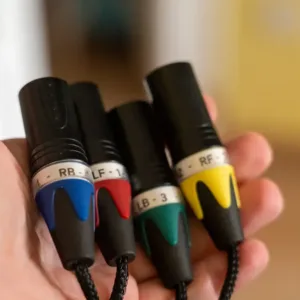
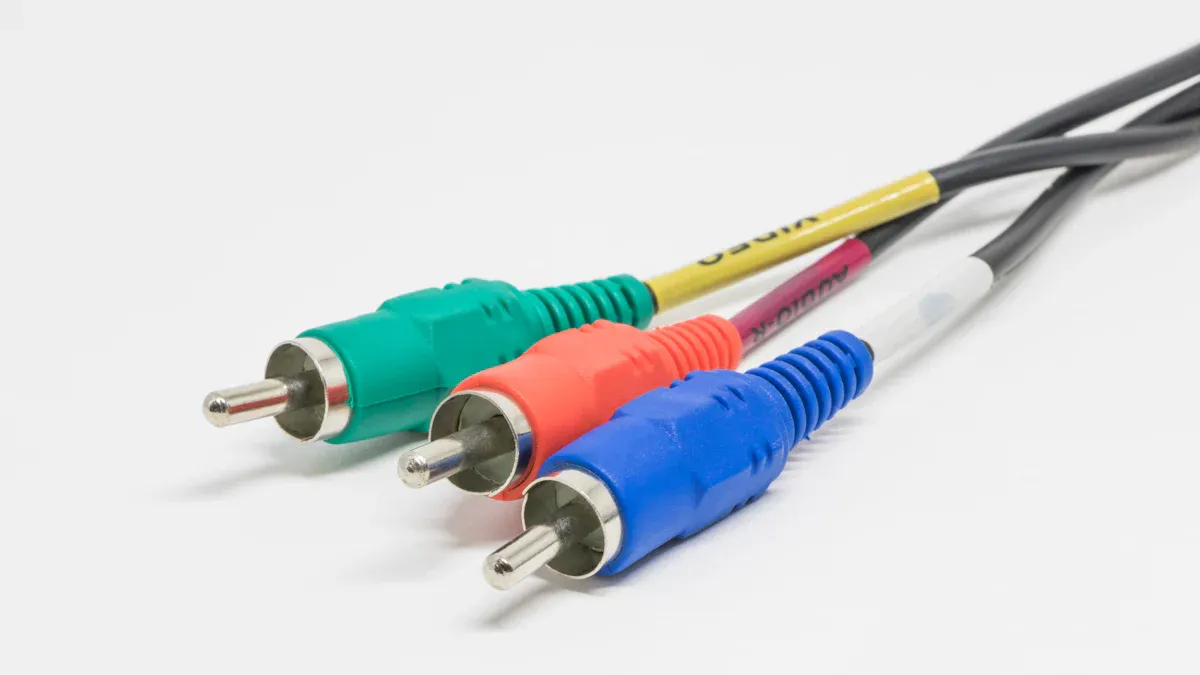
Choosing the right audio connector significantly impacts sound quality and reliability in professional audio systems. The XLR connector excels in providing balanced audio, reducing noise interference, which highlights the balanced XLR cable advantages. The 6.35mm connector offers versatility, commonly used in both instruments and audio equipment, and raises the question, what is the difference between 6.35mm and 3.5mm jack? Meanwhile, the RCA connector primarily serves consumer electronics, often delivering less audio fidelity, leading to discussions about the XLR vs RCA audio quality difference. Industry studies reveal that poor connectors can cause up to 30% of audio issues in live sound environments. Selecting high-quality connectors ensures optimal performance and clarity in sound reproduction.
Key Takeaways
- Choose XLR connectors for professional audio. They provide balanced signals, reducing noise and ensuring high sound quality.
- Use 6.35mm connectors for versatility. They are ideal for instruments and audio equipment in both live and studio settings.
- RCA connectors are common in consumer electronics. They offer straightforward connections but may lack the audio fidelity of XLR and 6.35mm connectors.
- Consider durability and compatibility when selecting connectors. High-quality connectors enhance performance and prevent audio issues.
- Regular maintenance of connectors is essential. Clean and inspect them to prolong their lifespan and ensure optimal audio quality.
Overview of Audio Connectors
Audio connectors play a crucial role in professional audio systems. They facilitate the transmission of sound signals between devices, ensuring high-quality audio performance. Understanding the main types of audio connectors helps users select the right one for their needs.
The following table summarizes the key features of popular audio connectors:
| Connector Type | Features |
|---|---|
| XLR Connectors | Backbone of professional audio; available in 3p and 5p configurations; robust male and female options; gold-plated pins for conductivity. |
| 1/4" & 6.35mm Jacks | Essential for instruments; available in TRS and TS configurations; industry standard for guitars and keyboards. |
| 3.5mm Mini Jacks | Designed for portable audio; includes mono and stereo options; ideal for aux cables and headphones. |
| RCA Connectors | High-fidelity options with color-coding; includes various adaptors for interfacing different equipment. |
Each connector type serves distinct purposes. XLR connectors excel in professional settings due to their balanced audio capabilities. They minimize noise interference, making them ideal for microphones and other sensitive equipment. The 6.35mm connector, often referred to as a quarter-inch jack, is widely used for instruments like electric guitars and keyboards. Its versatility makes it a staple in both live and studio environments.
RCA connectors, while common in consumer electronics, also find their place in professional audio. They typically connect audio and video equipment, providing a straightforward interface. However, they may not deliver the same audio fidelity as XLR or 6.35mm connectors.
Choosing the right connector depends on the specific requirements of the audio system. Understanding these connectors’ characteristics ensures optimal performance and sound quality.
XLR Connector
Characteristics of XLR
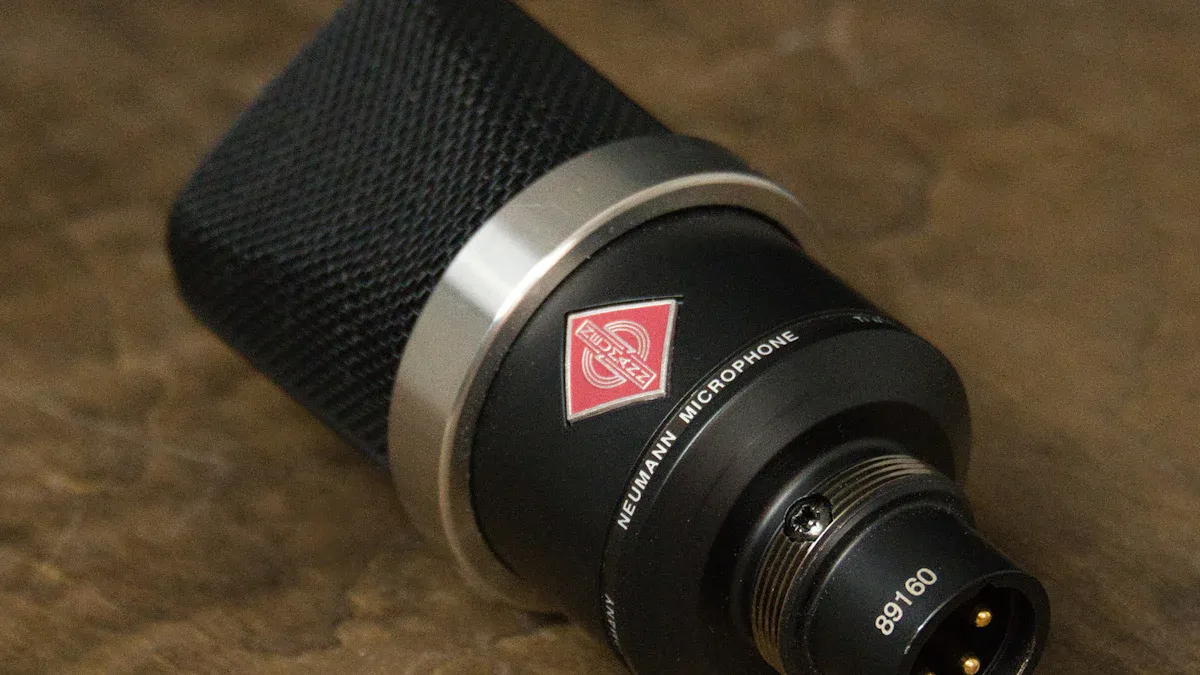
The XLR connector stands out in professional audio systems due to its unique design and functionality. It typically features three pins arranged in a triangular configuration, known as XLR3. This design allows for balanced audio signal transmission, which significantly reduces electromagnetic interference and noise. The durability of XLR connectors is another key characteristic; they are rated for thousands of connect and disconnect cycles, making them ideal for frequent use in professional settings.
| Characteristic | Description |
|---|---|
| Pin Configuration | XLR connectors typically feature three pins in a triangular arrangement (XLR3). |
| Signal Transmission | Transmit balanced audio signals, reducing electromagnetic interference and noise. |
| Durability | Rated for thousands of connect/disconnect cycles, ideal for frequent use in professional settings. |
| Locking Mechanism | Incorporates a locking mechanism to prevent accidental disconnection during use. |
| Material | High-quality connectors use gold-plated contacts to resist corrosion and maintain conductivity. |
| Shielding | Metal housing provides excellent shielding against radio frequency interference (RFI). |
| Strain Relief | Design includes strain relief to protect internal cable connections from damage. |
| Directionality | Male XLR sends signals, while female XLR receives them, aiding in signal flow tracing. |
| Application | Industry standard in professional audio applications due to reliability and performance. |
Applications of XLR
XLR connectors find extensive use in various professional audio applications. They are essential for connecting professional microphones, ensuring stable audio signals during recordings and live performances. Additionally, mixers and studio equipment utilize XLR ports for high-quality audio output.
Common applications include:
- Connecting microphones to mixing consoles on stage, preventing accidental disconnections.
- Linking direct boxes, stage monitor feeds, and intercom systems in live settings.
- Integrating sound reinforcement systems in venues, ensuring reliable performance.
- Connecting active speakers and PA systems to mixers for optimal audio distribution.
XLR connectors are recognized as the industry standard for professional audio equipment due to their durability and reliability. They effectively minimize interference, making them suitable for both live sound and studio environments.
Usage Tips for XLR
To ensure optimal performance when using XLR connectors, consider the following best practices:
- Coiling Technique: Use the "over-under" method to coil cables. This technique prevents internal twisting and kinks, extending cable life.
- DIY Customization: Building custom XLR cables can save costs and allow for tailored lengths. Use quality components for the best results.
- General Care: Always unplug by grasping the connector, inspect for damage regularly, and use ties to keep cables organized.
Avoid common mistakes such as improper cable wrapping, which can lead to premature failure. Always pull on the connector housing when unplugging to prevent damage. Regularly check connectors for looseness or damage, and use velcro ties or cable straps to keep cables organized and untangled.
By following these tips, users can maintain the integrity and performance of their XLR connections, ensuring high-quality audio transmission in any setting.
6.35mm Connector
Characteristics of 6.35mm
The 6.35mm connector, also known as the quarter-inch jack, is a staple in the audio industry. Its design and functionality make it suitable for various applications. Here are some key characteristics:
| Characteristic | Description |
|---|---|
| Corrosion Resistance | Essential for outdoor or industrial use; stainless steel and bronze alloys offer superior protection against environmental degradation. |
| Electrical Conductivity | Critical for signal integrity; bronze and copper-based alloys provide low-resistance pathways for current flow. |
| Mechanical Durability | Ensures the connector withstands frequent plugging, vibration, and physical stress without deformation. |
| Thermal Stability | Materials must retain their properties across operating temperatures, preventing warping (plastics) or weakening (metals). |
| Cost vs. Lifespan Balance | While plastics offer affordability, metals provide extended service life in critical applications—selection should align with operational needs. |
These characteristics contribute to the 6.35mm connector’s reliability and performance in professional audio systems.
Applications of 6.35mm
The versatility of the 6.35mm connector allows it to be used in various professional audio applications. Common uses include:
- Connecting musical instruments, such as electric guitars and keyboards.
- Integrating with amplifiers to enhance sound output.
- Serving as a crucial component in professional audio equipment.
- Utilized in some headphones for audio playback.
The demand for 6.35mm connectors remains high, particularly in environments like recording studios and live performance venues. They ensure uninterrupted signal flow, making them indispensable in the audio industry.
Usage Tips for 6.35mm
To maximize the lifespan and performance of 6.35mm connectors, users should follow these maintenance tips:
| Maintenance Tip | Description |
|---|---|
| Cleaning | Use a non-conductive brush or compressed air to remove dust and contaminants that can affect performance. |
| Inspection | Regularly check for wear, cracks, or misalignment in connectors. |
| Lubrication | Apply manufacturer-recommended lubricants to reduce friction and ensure smooth operation. |
| Tightening | Ensure all fasteners are securely tightened to maintain mechanical stability and prevent disconnections. |
By adhering to these guidelines, users can prolong the life of their 6.35mm connectors and maintain optimal audio quality in their systems.
RCA Connector
Characteristics of RCA
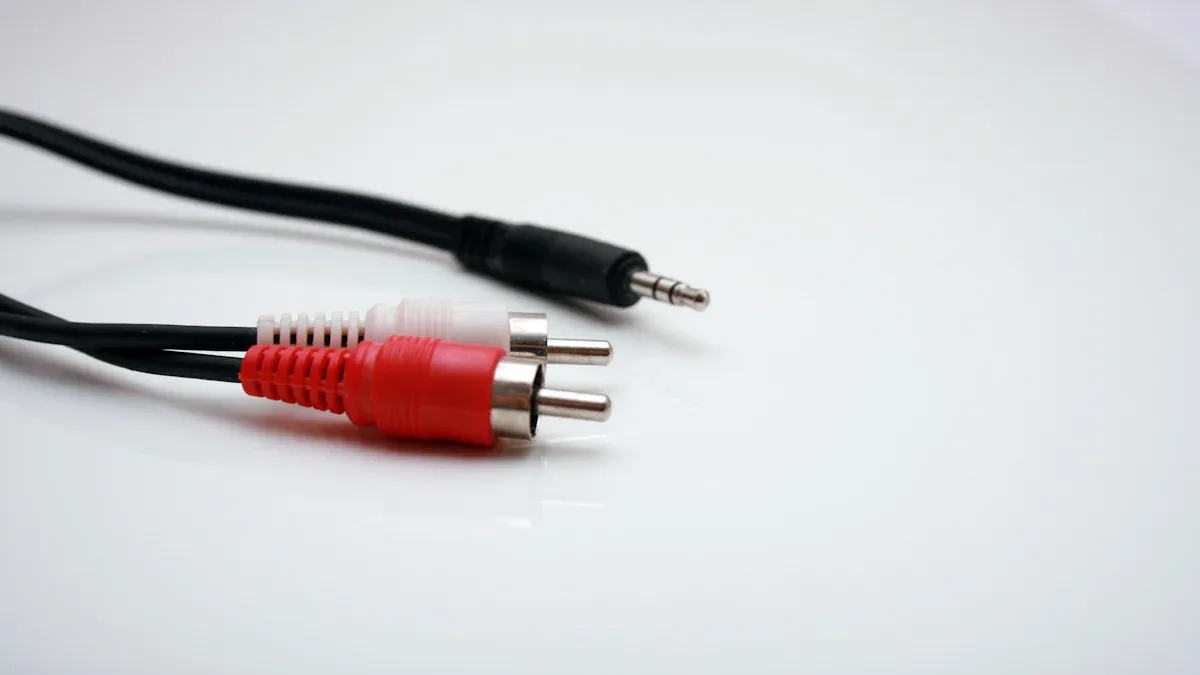
RCA connectors are widely recognized for their role in audio and video transmission. They typically feature a simple design with a central pin for signal and a surrounding ring for ground. Below are key characteristics of RCA connectors:
| Characteristic | Description |
|---|---|
| Impedance Matching | Mismatched impedance can cause reflections and signal distortion. |
| Inner Diameter (ID) | Must match the cable’s center conductor size for optimal performance. |
| Outer Diameter (OD) | Should align with the connector’s barrel size for a secure fit. |
| Installation Methods | Options include solder, crimp, compression, and screw-on connectors, each varying in reliability. |
| Shielding Effectiveness | Full 360° backshells and braided shield contact are recommended for maximum EMI protection. |
| Color Coding | Standard color codes (red/white for audio, yellow for composite video) should be followed. |
| Strain Relief | High-quality connectors include built-in strain relief to prevent cable pull-out. |
| Brand and Certification | Choose connectors from reputable brands that meet industry standards. |
Applications of RCA
RCA connectors serve various purposes in both consumer and professional audio systems. Common applications include:
- Consumer Electronics: RCA connectors are prevalent in home entertainment systems, connecting devices like televisions, DVD players, and gaming consoles.
- Professional Audio Systems: They link audio receivers to subwoofers and connect CD players, turntables, mixers, and amplifiers in studio setups.
- Video Production: Component video RCA cables transmit higher resolution video in professional-grade equipment.
Usage Tips for RCA
To ensure reliable connections with RCA connectors, follow these best practices:
- Strip the Wire Properly: Use wire strippers to remove insulation cleanly without damaging wire strands.
- Twist Strands Tightly: This prevents fraying and ensures a better fit into the RCA connector.
- Use Quality RCA Connectors: Opt for gold-plated or corrosion-resistant connectors for better conductivity.
- Seal Using Heat-Shrink Tubing or Tape: Insulate connections to enhance durability and reduce short circuit risks.
- Test Before Finalizing: Check signal quality before sealing to catch any issues early.
Regular inspection of cables for wear and tear is crucial. Ensure a snug fit between the RCA plug and jack to avoid static and sound degradation. Following these guidelines can significantly reduce noise interference, enhancing overall audio quality.
Comparative Table of Connectors
The following table highlights the key specifications and performance characteristics of XLR, 6.35mm, and RCA connectors:
| Connector Type | Signal Type | Max Current | Typical Use Case | Durability Rating |
|---|---|---|---|---|
| XLR | Balanced Line-Level | 5A (signal) | Professional audio, mixers, processors | ★★★★☆ |
| 1/4" TRS | Balanced Line or Stereo | 5A (line-level) | Studio gear, instrument amps, headphones | ★★★☆☆ |
| RCA | Unbalanced Line-Level | N/A | Consumer audio, home theater | N/A |
Key Features of Each Connector
-
XLR Connector:
- Provides a balanced signal.
- Features a locking mechanism to prevent accidental disconnections.
- Minimizes noise interference, making it ideal for professional settings.
-
TRS (1/4"):
- Versatile and supports both stereo and balanced signals.
- Commonly used in studio environments and for connecting instruments.
-
RCA:
- Widely compatible with various devices.
- Easy to use, making it a popular choice for consumer electronics.
The professional audio market for connectors like XLR, 6.35mm, and RCA is robust, with an estimated annual value exceeding $1.2 billion. This market is projected to grow at a CAGR of approximately 8.2% over the next five years. Factors influencing this growth include demand in corporate AV installations and broadcasting studios.
Choosing the Right Connector
Factors to Consider
Selecting the appropriate audio connector requires careful consideration of several factors. These factors ensure compatibility and performance in various audio applications. Key considerations include:
- Compatibility: Ensure that the connectors chosen align with existing equipment and future upgrades. This compatibility prevents potential issues during setup.
- Signal Quality: Opt for connectors that support high-quality audio and video transmission. This choice is crucial when working with high-definition content.
- Durability: Select connectors designed to withstand the rigors of daily use in both live and studio environments. Durable connectors minimize the risk of failure during critical performances.
- Ease of Use: Choose connectors that are straightforward to install and operate. This simplicity reduces the likelihood of signal issues and equipment damage.
- Backward Compatibility: Consider connectors that offer backward compatibility. This feature ensures usability with both older and newer equipment.
By evaluating these factors, users can make informed decisions that enhance their audio systems’ performance and reliability.
Choosing the right audio connector is crucial for achieving optimal sound quality in professional audio systems. Each connector type serves distinct purposes:
- XLR: Ideal for professional audio applications, providing high-quality, balanced connections that ensure signal integrity.
- 6.35mm: Versatile for instruments and audio equipment, suitable for both studio and live environments.
- RCA: Commonly used in consumer electronics, offering straightforward connectivity but less fidelity.
When selecting a connector, consider the specific application and key factors such as reliability and maintenance. For instance, a robust strain relief can prevent bending at sharp angles, enhancing long-term durability.
| Connector Type | Application | Key Considerations |
|---|---|---|
| XLR | Professional audio | High-quality, balanced connections for signal integrity |
| Speakon | Professional audio | Reliable connections for speakers |
| Banana plugs | Home audio | Convenient for frequent connection changes |
| Binding posts | Home audio | Versatile for various setups |
By understanding these differences, audio professionals can make informed decisions that enhance their systems’ performance.
FAQ
What is the main difference between XLR and RCA connectors?
XLR connectors provide balanced audio signals, reducing noise interference. In contrast, RCA connectors transmit unbalanced signals, making them more susceptible to noise. This difference affects audio quality, especially in professional settings.
Can I use a 6.35mm connector with an RCA input?
Yes, you can use a 6.35mm to RCA adapter. This allows you to connect devices with different connector types. However, ensure that the signal quality meets your audio requirements.
Are XLR connectors waterproof?
XLR connectors are not inherently waterproof. However, some models feature weather-resistant designs. Always check the specifications to ensure they meet your environmental needs.
How do I maintain my audio connectors?
Regularly inspect connectors for wear and dirt. Clean them with a non-conductive brush and store cables properly to avoid damage. Proper maintenance extends their lifespan and ensures optimal performance.
What is the typical lifespan of an XLR connector?
With proper care, XLR connectors can last for many years. They are designed for frequent use, withstanding thousands of connect and disconnect cycles without significant wear.