
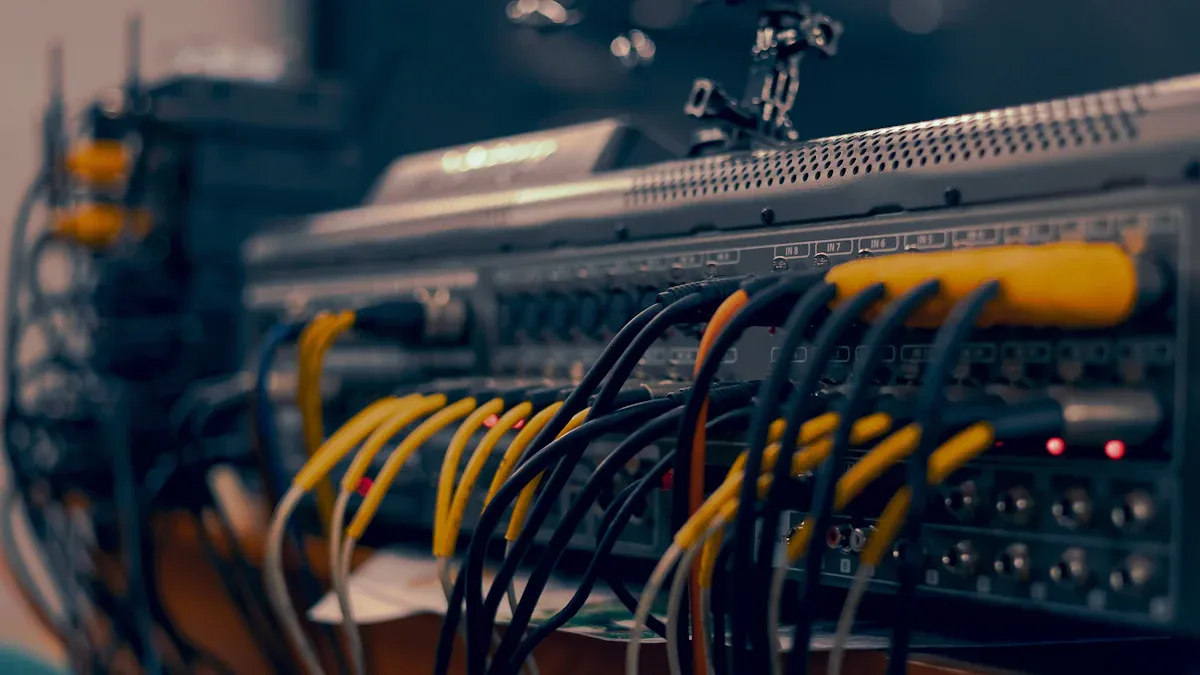
Audio quality plays a critical role in recording, influencing the overall sound experience. Noise interference can severely compromise sound integrity, leading to recordings that lack clarity and depth. Shielded audio cables are essential in this context, as they can reduce electromagnetic interference by up to 90%. This significant reduction is vital for achieving professional sound quality. For instance, using a high-quality shielded audio cable, such as the XLR 3-Pin Male to Female Audio Cable CM001-XLRM/XLRF, ensures that recordings maintain their intended quality without unwanted noise. As a leading guitar cable supplier, we also offer the XLR 3-Pin Male to Female Audio Cable CM001-XLRM/XLRF, which is designed to be a low noise audio cable, perfect for professional applications. Additionally, as a peakon cable manufacturer, we are committed to providing products that meet the highest standards of performance and reliability.
Key Takeaways
- Shielded audio cables reduce noise interference by up to 90%, ensuring clear and professional sound quality.
- Using shielded cables enhances durability and longevity, minimizing maintenance costs and the need for frequent replacements.
- Investing in quality shielded cables improves overall audio experience, leading to clearer recordings and a better listening experience.
- Choosing the right cable length (under 25 feet) and material can significantly impact sound quality and performance in recording environments.
Understanding Noise Interference
Noise interference poses a significant challenge in audio recording environments. It can distort sound quality and compromise the integrity of recordings. Understanding the sources and types of noise interference is crucial for achieving optimal audio performance.
Common sources of electromagnetic interference (EMI) include:
- Power supplies: Devices like musical keyboards and MIDI consoles often introduce noise due to their power requirements.
- Lighting sources: Compact fluorescent light (CFL) bulbs can emit interference, especially when positioned nearby recording equipment.
- Nearby electronic devices: Cell towers, fans, heaters, and other household appliances can contribute to EMI, affecting audio clarity.
Interference can manifest in two primary forms: analog and digital. Analog systems are particularly vulnerable to noise. The continuous nature of audio signals in these systems means that any interference can lead to unwanted distortion. Conversely, digital systems convert audio signals into binary data, making them less susceptible to interference. They employ error correction techniques that help recover the original audio signal, even in the presence of noise.
Shielded audio cables play a vital role in combating noise interference. These cables act as Faraday Cages, effectively protecting the signal and circuitry from external disturbances. The metal casing of recording devices enhances this effect, allowing the shield of the microphone cable to keep interference at bay. Grounding the Faraday Cage enables any interference to flow into the earth, significantly reducing noise in the audio signal.
Scientific studies have demonstrated the effectiveness of cable shielding in reducing noise. For instance:
- Cables BD95, BDD1, and BDA show similar sizes and quality, yet BA exhibits much less Shielded Cable Interference Noise (SCIN) below 250 kHz due to its unique design.
- BDAM has 12-15 dB less SCIN than FDA3 because its braid shield carries a higher proportion of the shield current.
- Braid shields outperform foil shields in rejecting interference below 4 MHz.
- Foil/braid shields perform well across all frequencies, indicating their overall effectiveness in noise reduction.
The Benefits of Shielded Audio Cables
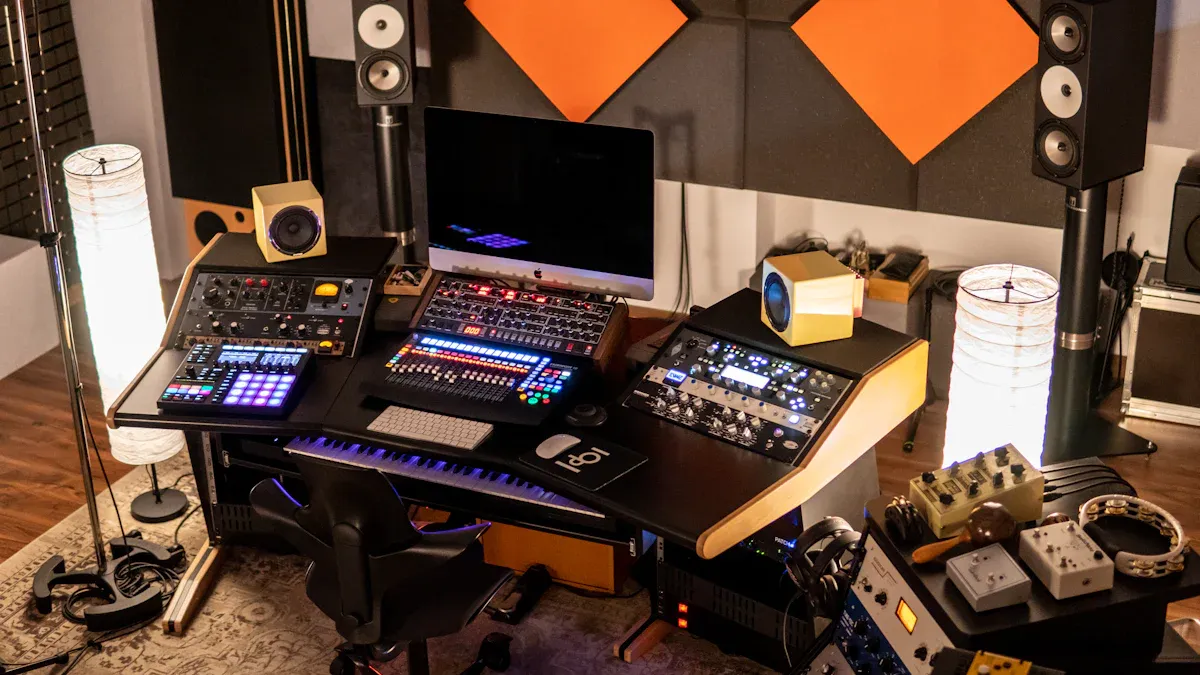
Shielded audio cables offer numerous advantages that enhance audio fidelity and reliability. These benefits make them indispensable for anyone serious about sound quality in recording environments. Here are some key benefits of using shielded audio cables:
- Pure Sound Quality: Shielding effectively eliminates external noise and distortion. This ensures that recordings maintain clean and accurate audio, which is crucial for professional applications.
- Consistent Performance: Shielded cables provide reliable signal transmission across various environments. This reliability translates to fewer interruptions during recordings, allowing artists and engineers to focus on their craft.
- Versatility: These cables are suitable for a wide range of systems, from commercial AV setups to professional recording studios. Their adaptability makes them a preferred choice for many audio professionals.
- Durability: Shielded audio cables are built to withstand environmental stress. This durability ensures that they can endure the rigors of frequent use without compromising performance.
- Enhanced Audio Integrity: The shielding protects the signal from noise and disruptions that often affect unprotected cables. This integrity is vital for achieving high-quality recordings.
- Improved Longevity: The protective shielding minimizes wear on internal components caused by external elements. This enhancement contributes to the cable’s lifespan, reducing the need for frequent replacements.
In addition to these benefits, shielded cables also minimize external interference, which can negatively impact audio signals. Their construction includes protective shielding that prevents noise from distorting the audio signal. These cables are designed to endure challenging environments, contributing to their durability and reducing the frequency of replacements.
To illustrate the performance of shielded audio cables compared to unshielded options, consider the following table:
| Cable Type | Performance in EMI Environments | Signal Degradation Risk |
|---|---|---|
| Shielded Cable | Maintains speed and reliability | Lower |
| Unshielded Cable | Adequate in low-EMI, slower in high-EMI | Higher |
This comparison highlights how shielded audio cables outperform their unshielded counterparts, particularly in environments with high electromagnetic interference (EMI). By investing in shielded audio cables, recording professionals can ensure that their equipment operates at peak performance, ultimately leading to superior sound quality.
Shielded vs. Unshielded Cables
When choosing audio cables, understanding the differences between shielded and unshielded options is crucial. Shielded audio cables provide significant advantages, especially in environments with high electromagnetic interference (EMI). These cables are specifically designed to offer enhanced protection against EMI, making them ideal for professional recording settings.
Key Differences
-
Protection Against Interference:
- Shielded cables feature additional layers of protection against EMI. This shielding can be applied to individual twisted pairs or to the entire cable, ensuring better signal quality.
- Unshielded cables lack this level of protection, making them less suitable for environments with high EMI, such as those near air conditioning units or microwaves.
-
Signal Quality:
- Shielded cables maintain superior noise immunity, which is crucial in high EMI environments. They effectively reduce crosstalk and improve overall signal integrity.
- Unshielded cables may experience signal degradation due to external interference, leading to compromised audio quality.
-
Cost Implications:
Cable Type Cost Implications Benefits Shielded Cables Generally more expensive due to added materials Superior protection against interference, crucial for professional settings Unshielded Cables More cost-effective and easier to install Adequate for many applications, ideal for low-interference environments
While unshielded cables are generally less expensive to manufacture and purchase, they may not provide the reliability needed in professional audio environments. For serious recording professionals, investing in a shielded audio cable can lead to better sound quality and fewer interruptions during sessions.
Practical Applications of Shielded Audio Cables
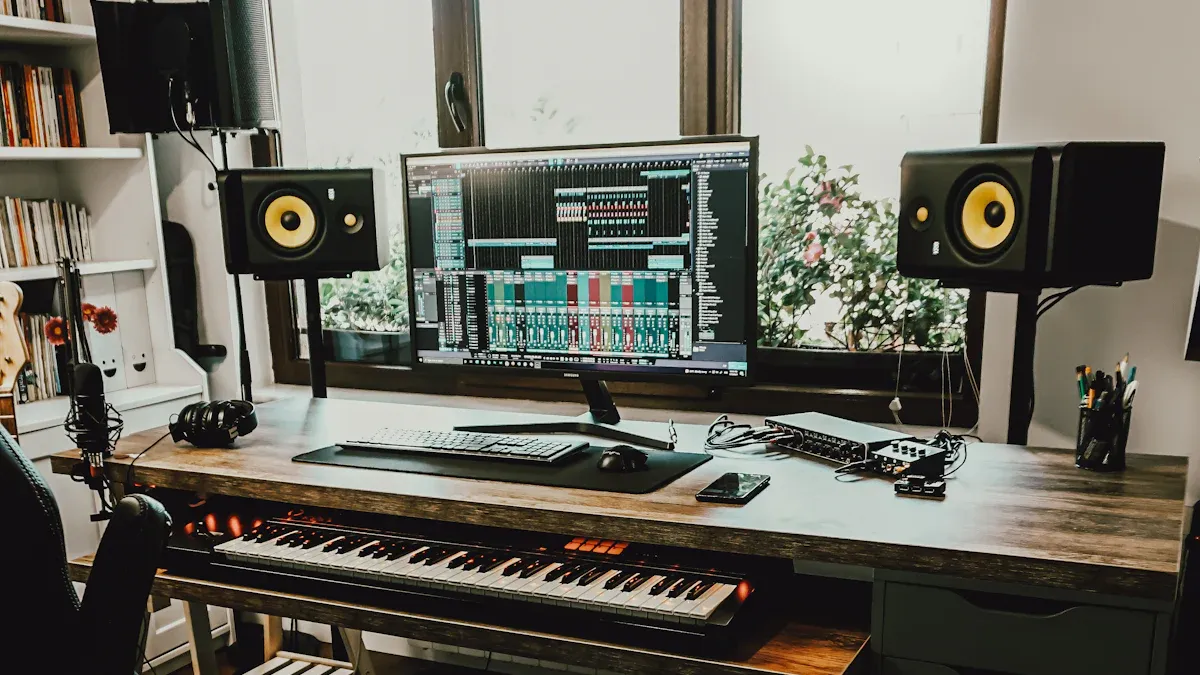
Shielded audio cables find extensive use in various audio environments, ensuring high-quality sound transmission. Their design minimizes interference, making them essential for both studio and live sound applications.
In broadcast studio environments, shielded audio cables excel at reducing electromagnetic and radio frequency interference. This capability is crucial for maintaining high signal quality. They effectively eliminate hum and buzz through balanced interconnections, which enhances professional audio clarity. However, their performance in live sound environments may vary due to different environmental factors.
Common Applications
-
Recording Studios:
- Shielded cables are vital for connecting microphones, instruments, and mixers. They ensure that recordings maintain clarity without unwanted noise.
-
Live Sound:
- In concerts and events, shielded cables help maintain sound integrity despite the presence of numerous electronic devices. They protect against interference from lighting and other equipment.
-
Field Recording:
- For outdoor recordings, shielded cables are essential. They protect audio signals from interference caused by environmental factors.
Here is a table summarizing recommended shielded audio cables for field recording applications:
| Cable Type | Best Use | Key Benefit |
|---|---|---|
| XLR | Pro audio, mics | Noise rejection |
| TS | Instruments | Simple connection |
| RCA | Home audio | Easy setup |
Using shielded audio cables in these applications ensures that audio professionals achieve the best possible sound quality. The shielding protects audio signals from interference, making them reliable in various settings.
Choosing the Right Shielded Audio Cables
Selecting the appropriate shielded audio cable is crucial for achieving optimal sound quality in various recording environments. Several factors influence this decision, and understanding them can help audio professionals make informed choices.
-
Shielding Effectiveness: Adequate shielding is essential for preserving sound quality and blocking interference. Braided shielding offers the highest coverage, protecting up to 95% of the signal from external noise.
-
Cable Length: Keeping cable lengths under 25 feet minimizes the risk of noise and signal loss. Longer cables can introduce unwanted interference and degrade sound quality.
-
AWG Rating: The American Wire Gauge (AWG) rating indicates the thickness of the cable. Lower AWG numbers signify thicker cables, which carry signals with less resistance, enhancing performance.
-
Equipment Compatibility: Different audio equipment requires specific cable thicknesses. For instance, speaker cables often use 12 AWG, while interconnect cables may use 24 AWG.
-
Material Quality: High-quality conductor materials, such as oxygen-free copper, improve conductivity and durability. This choice ensures that the cable can withstand frequent use without compromising performance.
-
Cable Type: Studio cables are typically unbalanced, necessitating proper shielding and grounding for optimal performance. Understanding the type of cable required for specific applications is vital.
Shielding Materials
Different shielding materials affect cable performance significantly:
- Foil Shield: Effective against high-frequency interference (RFI) from sources like telephones and microwaves. It consists of a foil tape wrapped around the cable insulation, often accompanied by a drain wire for grounding.
- Braid Shield: Composed of fine strands of conductive material woven together, this shield protects against low-frequency electromagnetic interference (EMI) caused by machinery.
By considering these factors, audio professionals can select the right shielded audio cable that meets their specific needs. Investing in quality cables enhances sound integrity and ensures reliable performance in any recording environment.
Shielded audio cables are essential for achieving high-quality recordings. They minimize unwanted noise and interference, preserving audio integrity and enhancing clarity. Investing in quality shielded cables ensures that audio professionals can maintain superior sound quality, especially in challenging environments.
Key Benefits of Shielded Audio Cables:
- Minimized interference, especially for low-level audio signals.
- Enhanced durability and longevity, reducing maintenance costs.
- Improved overall audio experience, leading to clearer sound.
Choosing the right cables significantly impacts the recording experience. Quality cables contribute to cleaner recordings and a more enjoyable listening experience.
FAQ
What are shielded audio cables?
Shielded audio cables feature protective layers that prevent electromagnetic interference (EMI). This shielding ensures clear sound quality by minimizing noise and distortion during audio transmission.
Why are shielded cables important for recording?
Shielded cables are crucial for recording because they maintain audio integrity. They reduce unwanted noise, ensuring that recordings capture the intended sound without interference.
How do I know if a cable is shielded?
Check the product specifications or packaging. Look for terms like "shielded," "braided shield," or "foil shield." These indicate that the cable has protective layers against interference.
Can I use unshielded cables in professional settings?
While unshielded cables may work in low-interference environments, they are not recommended for professional settings. Shielded cables provide better sound quality and reliability, especially in high-EMI areas.
How long can shielded audio cables be?
Keep shielded audio cables under 25 feet for optimal performance. Longer cables may introduce noise and signal loss, compromising audio quality during recordings.


